宝马5系旅行版

Search documents
汽车圈下一个“轮值”顶流
汽车商业评论· 2025-10-02 23:06
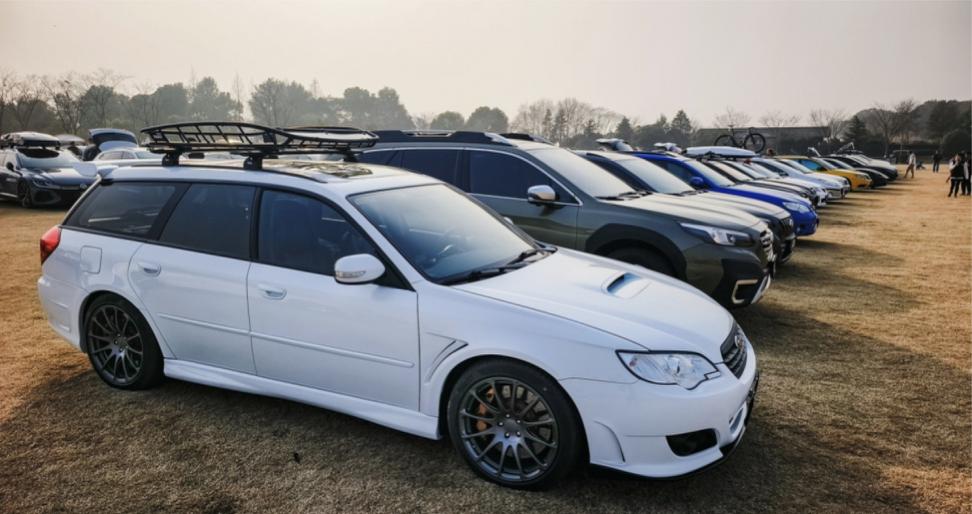
Core Viewpoint - The article discusses the potential resurgence of station wagons in the Chinese automotive market, particularly with the launch of the Enjoy S9T, which is positioned as a "beautiful travel car" and supported by industry leaders, indicating a possible structural shift in consumer preferences towards this vehicle type [4][19]. Group 1: Historical Context of Station Wagons in China - Station wagons, known as "Wagon" in China, have struggled to gain popularity, often labeled as niche vehicles despite their practical design that combines sedan handling with SUV space [6][10]. - Early models like the Peugeot 505 SW8 and the Santana wagon introduced the concept of station wagons to Chinese consumers, but they were often viewed as utilitarian rather than lifestyle vehicles [8][10]. - The rise of SUVs in the 2000s overshadowed station wagons, as consumers preferred the rugged appeal and higher seating position of SUVs, leading to a decline in the popularity of wagons [13][17]. Group 2: Current Market Dynamics and Consumer Preferences - The Enjoy S9T has seen significant pre-order success, with over 15,000 units reserved shortly after its launch, suggesting a growing acceptance of station wagons in the current market [19][28]. - Changing consumer lifestyles in China, including a desire for versatile vehicles for weekend trips and outdoor activities, align well with the attributes of station wagons, which offer a balance of comfort and cargo space [21][24]. - The shift in purchasing demographics towards younger consumers, who prioritize individuality over traditional sedan designs, may further enhance the appeal of station wagons [21][30]. Group 3: Technological Advancements and Competitive Strategies - The advent of electric and hybrid platforms provides station wagons with design flexibility and space advantages that were previously unattainable, allowing for more appealing aesthetics and functionality [22][24]. - Domestic manufacturers are leveraging advanced technologies and competitive pricing strategies to position new electric station wagons favorably against traditional SUVs, which may help to redefine consumer perceptions [24][28]. - The success of models like the NIO ET5T, which has outsold its sedan counterpart, indicates a potential market shift where station wagons could capture a more significant share of consumer interest [28][30]. Group 4: Future Outlook - The article suggests that while station wagons may not dominate the market like SUVs, they are likely to establish a stable niche with dedicated consumers, especially as the automotive landscape evolves [31][30]. - The combination of changing consumer preferences, technological advancements, and strategic marketing could lead to a resurgence of station wagons in the Chinese market, marking a significant shift from their historical status as niche vehicles [30][31].


比亚迪最“高冷”小儿子,要跟沃尔沃抢饭吃
3 6 Ke· 2025-07-08 10:28
Core Viewpoint - The introduction of BYD's Seal 06 DM-i travel version is seen as a significant step towards popularizing travel cars in China, a market that has historically favored sedans and SUVs over this niche segment [5][15][41]. Group 1: Market Context - Travel cars, known as "Wagon" in China, have struggled to gain traction, with sales in 2019 being less than 20,000 units, which is lower than the sales of some individual models like the Xiaomi Su7 [3][15]. - The European market is the most popular for travel cars, with a projected sale of 13 million units in 2024, indicating a strong demand that contrasts with the Chinese market [13][10]. - The high prices of imported travel cars, such as the Audi A6 Avant, which costs around 440,000 RMB in Europe but starts at 500,000 RMB in China, have limited their accessibility to consumers [11][15]. Group 2: BYD's Strategy - BYD's Seal 06 DM-i travel version is priced around 100,000 RMB, making it one of the few affordable options in the domestic travel car market, which has excited enthusiasts [15][41]. - The Seal 06 DM-i travel version features a length of 4,850 mm and a trunk capacity of 1,535 liters, showcasing its practicality for family travel [32][34]. - BYD aims to penetrate both the domestic and European markets with this model, as it aligns with the growing interest in travel cars and the company's strategy to expand its global footprint [38][41]. Group 3: Consumer Perception - The perception of travel cars as a niche product in China is attributed to the dominance of SUVs, which are favored for their size and utility, overshadowing the appeal of travel cars [20][22]. - Despite the challenges, there is a belief that with more mainstream brands entering the travel car market, it could lead to a broader acceptance and growth of this vehicle type in China [29][41]. - The introduction of affordable travel cars like BYD's Seal 06 DM-i is seen as a potential catalyst for changing consumer attitudes and expanding the market [27][41].