
宠物友好服务

Search documents
推出宠物友好服务、升级硬件设施,北京多家雪场正式开板
Bei Jing Shang Bao· 2025-12-08 13:34
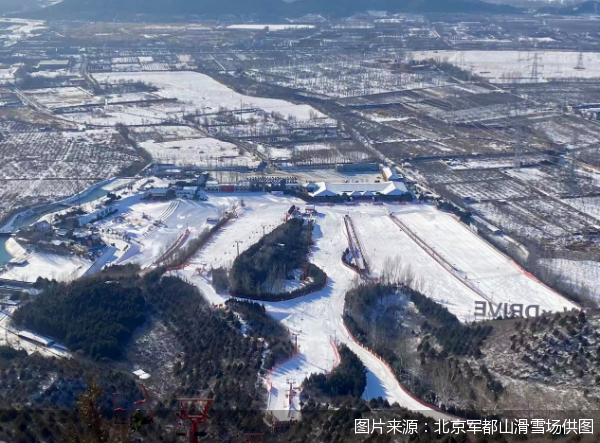
Core Insights - Beijing has officially entered the snow season with all 13 ski resorts fully operational, attracting numerous skiing enthusiasts and marking the beginning of a new wave of winter sports [1][3] Group 1: Ski Resort Operations - All 13 ski resorts in Beijing have opened, including popular locations such as Military Mountain Ski Resort, Nanshan Ski Resort, and the National Alpine Ski Center [3] - Nanshan Ski Resort opened on December 8, Military Mountain Ski Resort on December 4, and Yunju Ski Resort on December 6, with daily visitor numbers reaching around a thousand [3] - To enhance visitor experience, several ski resorts are implementing upgrades for the 2025-2026 season, including widening ski trails and adding pet-friendly services [1][3] Group 2: Market Trends - The booking volume for accommodations near ski resorts has increased by 39% year-on-year, with an average stay of 3 days and 70% of visitors coming from outside Beijing [5] - The search volume for ski resorts offering pet care services surged by 170% since the opening of Military Mountain Ski Resort, indicating a growing demand for diverse skiing experiences [5] - The participation of the "post-95" generation in skiing has risen to 62%, highlighting a shift in the demographic of skiing enthusiasts [5] Group 3: Overall Market Growth - The overall reception of visitors at ski resorts is expected to be optimistic, with previous seasons averaging around 300,000 visitors [6] - Nationwide, interest in skiing is rapidly increasing, with a reported 87% year-on-year growth in searches for nearby ski resorts on Meituan [6] - New tourism routes connecting high-quality tourist attractions and ski centers in the Beijing-Tianjin-Hebei region are anticipated to attract more skiing enthusiasts, further boosting the ice and snow tourism market [6]

“雪假”激活冰雪热,消费势能如何精准释放?
Yang Shi Xin Wen Ke Hu Duan· 2025-12-05 16:04
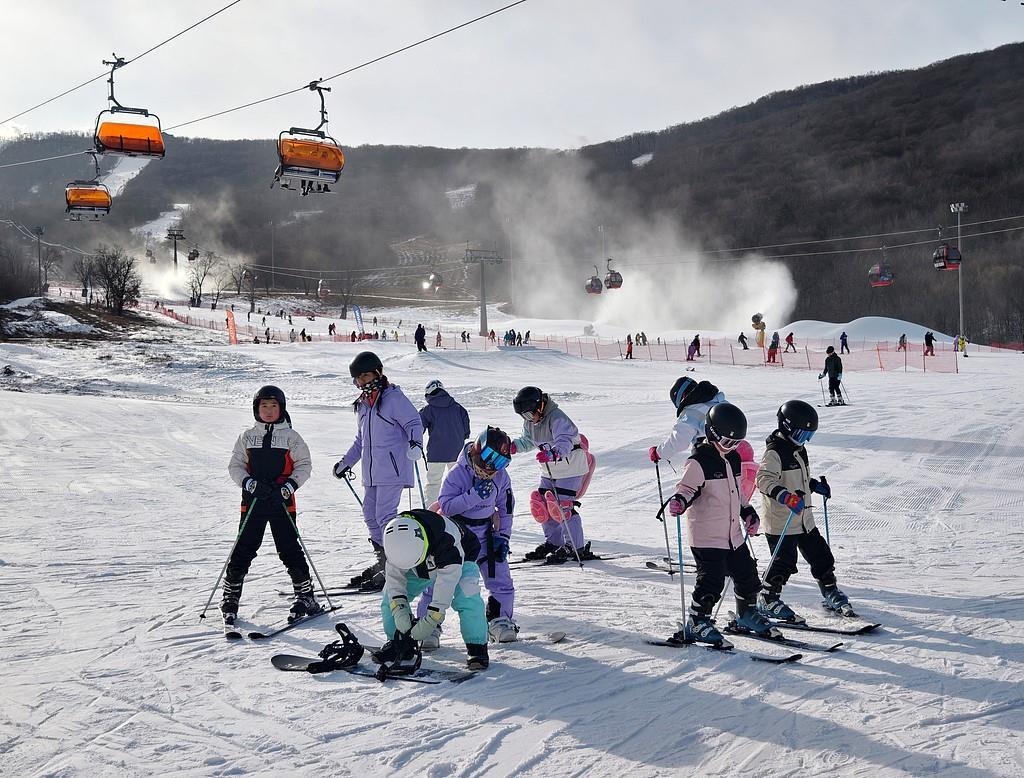
Core Insights - The introduction of "snow holidays" in northern regions has led to a significant increase in ice and snow tourism, creating a potential for economic growth and consumer upgrades [1][2] Group 1: Ice and Snow Tourism Growth - The implementation of "snow holidays" allows students to enjoy up to 9 days off, driving a surge in ice and snow consumption [1] - Local governments are promoting ice and snow tourism through the distribution of consumption vouchers and subsidies, enhancing visitor attraction [1] - The influx of tourists is testing the capacity of local cultural and tourism industries, necessitating improved transportation, safety, and service provisions [1] Group 2: Innovative Consumption Scenarios - Ice and snow tourism is evolving beyond traditional activities, with new integrated experiences such as educational programs and cultural activities being introduced [2] - The growth in ice and snow consumption is prompting a shift from broad development to refined service offerings, with various enhancements being made at ski resorts [2] Group 3: Economic Impact and Future Projections - The total consumption in ski resorts is projected to reach 78.613 billion yuan for the 2024-2025 season, with a 27.97% increase in surrounding area consumption [3] - The number of companies in the ski equipment sector has increased from approximately 300 in 2015 to around 900 in 2023, indicating robust industry growth [3] - The ice and snow economy is expected to reach a scale of 980 billion yuan in 2024, with projections to exceed 1 trillion yuan by 2025, highlighting the sector's potential for economic development and consumer enhancement [3]
中国经济信心说丨“雪假”激活冰雪热,消费势能如何精准释放?
Yang Shi Xin Wen· 2025-12-04 10:53
Core Insights - The introduction of "snow holidays" in northern regions has led to a significant increase in ice and snow consumption, creating a new wave of tourism driven by policy and demand [1][3] - The ice and snow tourism industry is evolving from traditional models to more integrated experiences, combining education, culture, and sports [3][5] - The rapid growth in ice and snow consumption is prompting a shift from broad development to refined services, enhancing the overall quality of tourism offerings [5][6] Group 1: Policy and Demand - Northern regions have announced "snow holidays," allowing students to enjoy up to 9 days off, which has stimulated ice and snow tourism [1] - Local governments are implementing measures such as issuing ice and snow consumption vouchers and special subsidies to attract visitors [1] Group 2: Tourism Infrastructure and Services - The influx of tourists is testing the capacity of local cultural and tourism industries, necessitating improvements in transportation, safety, and service [3] - New services are being introduced, such as dedicated transportation for ice and snow tourism and one-stop service stations for families [3][5] Group 3: Industry Growth and Economic Impact - The ice and snow tourism sector is projected to reach a scale of 980 billion yuan in 2024, with expectations to exceed 1 trillion yuan by 2025 [6] - The growth in this sector is creating job opportunities, with over 30,000 jobs generated in Hebei's snowfields alone, and young ski instructors earning competitive salaries [5][6] - The economic benefits extend to surrounding areas, with a reported 27.97% increase in consumption within a two-kilometer radius of ski resorts [5]
千亿“新赛道”的崛起密码|逛出幸福感:与“毛孩子”同行的城市地标
Xin Hua Wang· 2025-11-15 11:26
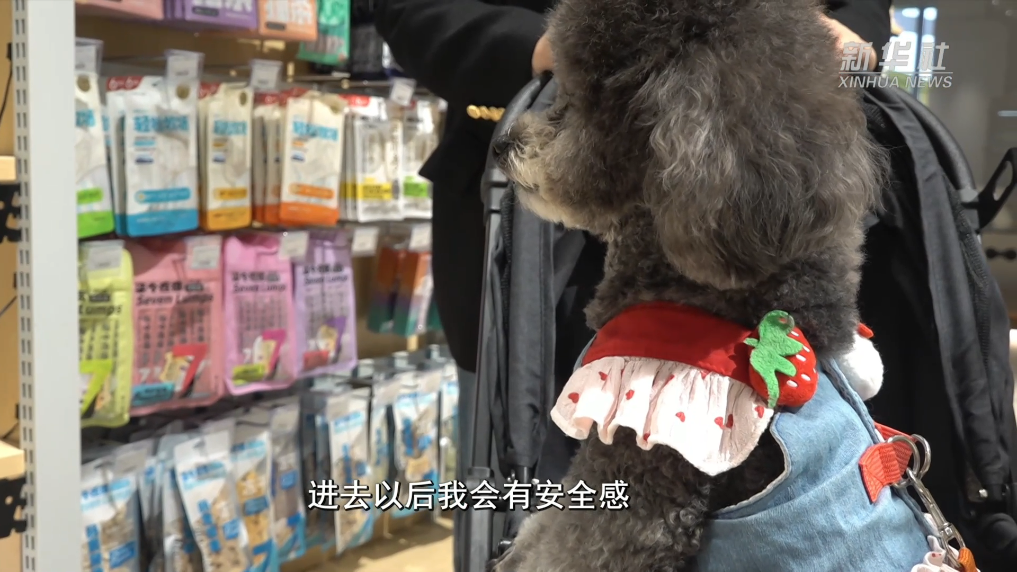
Group 1 - The core viewpoint is that the pet-friendly economy is expanding from private homes to public spaces, creating new opportunities for pet-related businesses and enhancing consumer experiences [1][5][7] - Pet-friendly services are becoming a new growth point as pet owners show increased willingness to spend in public spaces, leading to higher visitation frequency and dwell time in pet-friendly commercial venues [1][5] - The emergence of pet-friendly facilities and services, such as pet resting mats in restaurants and pet transport services in high-speed trains, signifies a shift from mere slogans to tangible offerings that enhance the overall experience for pet owners [5][7] Group 2 - The trend of pet-friendly environments is not limited to shopping malls but is also extending to various business sectors, including restaurants that accommodate pets [3][5] - The integration of pets into commercial spaces is driving new consumer behaviors and contributing to the vitality of physical retail by attracting more foot traffic [5][7] - The pet economy is evolving into a significant force for driving new consumption patterns and creating more welcoming urban public spaces [7][8]
萌力+潮力 激发商都新活力
Zhong Guo Jing Ji Wang· 2025-05-05 01:45
Group 1 - The core theme of the articles revolves around the transformation of Guangzhou's commercial districts into vibrant, pet-friendly, and youth-oriented spaces during the "May Day" holiday, showcasing a blend of traditional culture and modern entertainment [1][2][3] - The integration of pets into shopping experiences is highlighted, with various commercial areas adopting a "pet + social" model to enhance consumer engagement and create a welcoming environment for pet owners [2][3] - The rise of the "00s" generation and their interest in anime culture is driving foot traffic and engagement in traditional areas, indicating a shift in consumer demographics and preferences [3][4] Group 2 - The Guangzhou commercial districts are actively promoting events and activities that cater to pet owners, including pet-friendly facilities and themed events, which are attracting both local and international visitors [2][3] - The revitalization of older commercial areas, such as the Beijing Road and the 1906 Technology Park, reflects a strategic focus on modernizing and internationalizing these spaces to appeal to younger consumers [3][4] - The articles emphasize the importance of creating unique and engaging experiences in commercial spaces, such as themed pop-up events and interactive activities, to foster community and social interaction among visitors [1][2][4]