小米4

Search documents
五天两场直播,雷军重拾“不服就干”
Bei Jing Shang Bao· 2026-01-08 07:42
Core Insights - Xiaomi Group and its founder Lei Jun are at a crossroads of traffic backlash and brand reconstruction, with their personal IP becoming a double-edged sword [3][12] Group 1: Recent Developments - Lei Jun made a surprise appearance during a live stream on January 7, 2026, announcing the upcoming launch of the new SU7 model [4] - The live stream format included a product breakdown in the first half and a Q&A session addressing public concerns in the second half [5] - The company has faced significant public relations challenges, including controversies surrounding KOL collaborations and marketing strategies [6][12] Group 2: Public Relations and Marketing - Lei Jun addressed the KOL collaboration issue, emphasizing that the company cannot tolerate any disrespect towards Xiaomi users [6] - The marketing strategy has been questioned, with Lei Jun clarifying that the company's approach has evolved since its early days [6][12] - The label of "marketing master" has been a point of contention, with Lei Jun asserting that Xiaomi's success is rooted in product quality rather than marketing [7][12] Group 3: User Engagement and Feedback - Lei Jun acknowledged a drop of 290,000 followers, which is only 0.6% of the total 43 million followers, attributing it to a lack of engagement [9] - He committed to more frequent communication with users to address issues directly and transparently [9][12] - The live stream showcased Lei Jun's relaxed demeanor, indicating a return to form and a connection with the audience [10][11] Group 4: Market Context and Future Outlook - The competitive landscape has intensified, with Xiaomi needing to maintain its user base across various sectors while facing scrutiny from competitors [12] - The company's commitment to product quality and user engagement remains a cornerstone of its strategy, despite external pressures [12][13] - The future remains uncertain as the company navigates the challenges of 2025 and beyond, with the effectiveness of Lei Jun's approach yet to be determined [12][13]


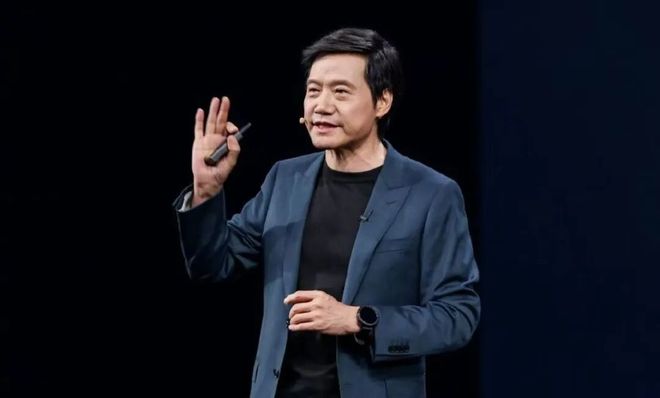
雷军又签任命通知,目标非洲
创业邦· 2025-09-01 03:48
Core Viewpoint - Xiaomi is intensifying its efforts in the African market, aiming to establish a stronger presence and compete effectively against local and international brands [5][25]. Group 1: Market Strategy - Xiaomi has made significant moves in Africa, including the opening of its first direct store in Morocco, marking a shift from third-party sales to direct control over the sales chain [15][12]. - The company aims to capture a share of the smartphone market, where it currently ranks third with a 14% market share, following Transsion and Samsung [15][19]. - Xiaomi plans to enhance its ecosystem in Africa, focusing on AIoT products and aiming to train 1,000 overseas talents in this field over the next 3-5 years [15][16]. Group 2: Organizational Changes - In August, Xiaomi announced a major restructuring of its African team, promoting key personnel to lead various regions and functions, indicating a serious commitment to the African market [9][13]. - The new appointments include experienced individuals from within the company, emphasizing a strategy of leveraging existing talent for market penetration [9][10]. Group 3: Competitive Landscape - The African smartphone market is characterized by strong competition, particularly from Transsion, which holds a 51% market share, and other brands like OPPO and Vivo [15][23]. - Xiaomi's previous attempts to enter the African market were met with challenges, but recent strategies indicate a more focused approach to capture market share [18][21]. Group 4: Future Outlook - Xiaomi's long-term strategy includes expanding its presence in Africa as a key growth area, especially as the market transitions from feature phones to smartphones [21][24]. - The company is also exploring opportunities in the electric vehicle sector, aiming to integrate its ecosystem further into the African market [16][24].