工业副产石膏

Search documents
锐财经|固废综合治理能力再提升
Ren Min Ri Bao Hai Wai Ban· 2026-01-14 06:06
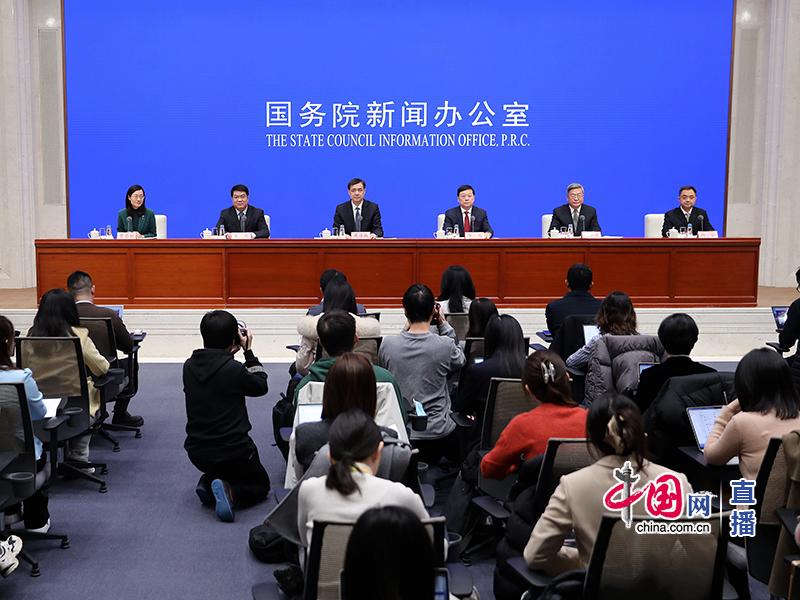
Core Viewpoint - The article discusses the release of the "Solid Waste Comprehensive Management Action Plan" by the State Council, which aims to strengthen solid waste management in China as part of the country's green transformation efforts. The plan emphasizes a comprehensive management system based on reduction, resource utilization, and harmless disposal of solid waste [1][2]. Group 1: Overall Strategy and Goals - The "Action Plan" outlines the overall strategy, work objectives, key tasks, and supporting measures for solid waste management in the coming years, addressing prominent issues in solid waste governance with systematic and integrated policy measures [2]. - By 2030, the plan aims for significant improvements in solid waste management, including controlling historical stockpiles, curbing illegal dumping, achieving a comprehensive utilization of 4.5 billion tons of major solid waste, and recycling 510 million tons of main renewable resources annually [2]. Group 2: Sector-Specific Management - In agriculture, the plan highlights the challenges of managing solid waste, with current utilization rates for livestock waste at 80.1%, straw at over 88%, and agricultural film disposal at over 85%. The Ministry of Agriculture will enhance guidance on the scientific use of agricultural film and promote resource utilization of livestock waste [4]. - In urban areas, the plan addresses the large amounts of construction waste generated by urbanization, with the Ministry of Housing and Urban-Rural Development focusing on promoting green construction and improving waste management practices [4]. - For industrial waste, the plan emphasizes controlling the generation and historical stockpiles of industrial solid waste, with the Ministry of Ecology and Environment aiming to explore new channels for large-scale utilization and gradually reduce both new and accumulated waste [5]. Group 3: Promoting Circular Economy - The "Action Plan" aims to enhance resource utilization levels and leverage market forces to promote the development of a circular economy, emphasizing the principles of reduction and resource utilization [6]. - Specific requirements are set for the source reduction, process control, and resource utilization of solid waste, encouraging sustainable business models [6]. - The plan also focuses on the extraction and utilization of valuable components from industrial and agricultural solid waste, promoting the recycling of various materials and the development of remanufacturing industries [6]. Group 4: Future Planning - The National Development and Reform Commission will lead the formulation of the "14th Five-Year Plan" for circular economy development, setting clear goals and tasks for key areas of recycling and utilization of solid waste [7].
每年产生工业固废超40亿吨,25部门明确2030年治理目标
Di Yi Cai Jing· 2026-01-13 06:24
Core Viewpoint - The comprehensive utilization of industrial solid waste and renewable resources is crucial for transforming waste into valuable resources, addressing the global challenge of solid waste management and pollution control [1][3]. Group 1: Action Plan and Goals - The National Development and Reform Commission, in collaboration with 25 departments, has drafted the "Solid Waste Comprehensive Management Action Plan," which outlines systematic and integrated policy measures [1]. - By 2030, the plan aims for significant improvements in solid waste management, including controlling historical stockpiles, curbing illegal dumping, achieving an annual comprehensive utilization of 4.5 billion tons of major solid waste, and recycling 510 million tons of primary renewable resources [1][3]. Group 2: Current Situation and Challenges - China generates over 4 billion tons of industrial solid waste annually, with increasing environmental pollution risks [3]. - The mining, smelting, and power generation industries produce substantial amounts of solid waste, such as coal gangue and fly ash, with historical stockpiles posing significant challenges [3][4]. - The reduction of traditional utilization channels has made it more difficult to manage new stockpiles of industrial solid waste, necessitating efforts to address both historical and new waste accumulation [3]. Group 3: Strategies for Waste Management - The Ministry of Ecology and Environment is focusing on both controlling new waste generation and managing existing stockpiles, exploring new channels for large-scale utilization of industrial solid waste [3][4]. - The ministry has revised pollution control standards for general industrial solid waste storage and landfill, allowing certain waste types to be used in backfilling activities [3][4]. Group 4: Utilization and Technological Development - The comprehensive utilization of industrial solid waste is a key component of solid waste management, with the Ministry of Industry and Information Technology promoting the development of advanced utilization technologies and improving policy standards [4][5]. - The comprehensive utilization rate of major industrial solid waste in China has reached 57%, with ongoing efforts to enhance collaboration across the industry chain [4]. - Focus areas include the recycling of complex waste types such as red mud and phosphogypsum, as well as the promotion of remanufactured products [5].