
工业固废处理

Search documents
趋势研判!2026年中国工业固废处理行业政策、工业固废处置量、市场规模、重点企业及发展趋势:工业固废处理政策不断完善,推动行业规模达万亿元[图]
Chan Ye Xin Xi Wang· 2026-01-26 01:21
Core Insights - The industrial solid waste treatment industry in China is in its early development stage, with low industrialization and market concentration. The market size is projected to grow from 686.84 billion yuan in 2016 to 983.78 billion yuan in 2024, with a compound annual growth rate (CAGR) of 5% [1][15] - By 2025, the market size is expected to reach approximately 1,089.92 billion yuan, driven by stricter environmental regulations, the implementation of circular economy strategies, and continuous innovation in treatment technologies [1][15] Industry Overview - Industrial solid waste treatment involves the systematic collection, professional transportation, and final disposal of solid and semi-solid waste generated during industrial production. The main goal is to achieve harmlessness, reduction, and resource recovery [2][4] - The industry includes various treatment methods such as physical, chemical, and biological processes, with applications in raw material utilization, incineration power generation, and pyrolysis gasification [2][6] Market Size and Growth - The market size of the industrial solid waste treatment industry in China is projected to grow from 686.84 billion yuan in 2016 to 983.78 billion yuan in 2024, with a CAGR of 5%. By 2025, it is expected to reach approximately 1,089.92 billion yuan [1][15] - The industrial solid waste treatment equipment and engineering market is also expanding, with a projected growth from 73.99 billion yuan in 2019 to 84.57 billion yuan in 2024, and an expected size of 86.86 billion yuan in 2025 [11] Policy Support - The Chinese government has implemented several policies to support the development of industrial solid waste treatment facilities, emphasizing the importance of harmless and resourceful treatment as essential infrastructure for urban development [7][8] - Key policies include the establishment of a waste recycling system by 2025 and the comprehensive management action plan for solid waste, which aims to enhance the management and tracking of industrial solid waste [7][8] Industry Chain - The industrial solid waste treatment industry chain includes upstream equipment manufacturing, midstream specialized collection and treatment, and downstream resource recovery and recycling [9][10] - Key equipment includes waste crushing, incineration, landfill, and recycling equipment, which are crucial for the effective treatment of industrial solid waste [9][11] Key Players - Major companies in the industrial solid waste treatment sector include Hanlan Environment, Greeenmei, Fuchun Environmental Protection, Weiming Environmental Protection, and others, which are competing based on technology integration, operational efficiency, and resource recovery depth [1][15][16] - Hanlan Environment has developed a comprehensive service capability for solid waste treatment, while Fuchun Environmental Protection has expanded its business model to include resource recovery and environmental monitoring [17][18] Challenges - The industry faces challenges such as insufficient treatment capacity, outdated technology, and non-standard management practices, which hinder effective waste treatment and increase environmental risks [19] - Many regions lack adequate treatment facilities, leading to an imbalance in treatment capacity across different areas [19] Future Trends - The industry is expected to evolve towards precision separation and high-value resource recovery, utilizing advanced technologies for better waste management [20][22] - There will be a shift from project-based operations to comprehensive lifecycle management and regional collaborative disposal, enhancing efficiency and reducing environmental risks [20][21] - The value proposition of industrial solid waste treatment companies will transform from being a cost center to creating measurable carbon reduction and sustainability solutions [22]


锐财经|固废综合治理能力再提升
Ren Min Ri Bao Hai Wai Ban· 2026-01-14 06:06
Core Viewpoint - The article discusses the release of the "Solid Waste Comprehensive Management Action Plan" by the State Council, which aims to strengthen solid waste management in China as part of the country's green transformation efforts. The plan emphasizes a comprehensive management system based on reduction, resource utilization, and harmless disposal of solid waste [1][2]. Group 1: Overall Strategy and Goals - The "Action Plan" outlines the overall strategy, work objectives, key tasks, and supporting measures for solid waste management in the coming years, addressing prominent issues in solid waste governance with systematic and integrated policy measures [2]. - By 2030, the plan aims for significant improvements in solid waste management, including controlling historical stockpiles, curbing illegal dumping, achieving a comprehensive utilization of 4.5 billion tons of major solid waste, and recycling 510 million tons of main renewable resources annually [2]. Group 2: Sector-Specific Management - In agriculture, the plan highlights the challenges of managing solid waste, with current utilization rates for livestock waste at 80.1%, straw at over 88%, and agricultural film disposal at over 85%. The Ministry of Agriculture will enhance guidance on the scientific use of agricultural film and promote resource utilization of livestock waste [4]. - In urban areas, the plan addresses the large amounts of construction waste generated by urbanization, with the Ministry of Housing and Urban-Rural Development focusing on promoting green construction and improving waste management practices [4]. - For industrial waste, the plan emphasizes controlling the generation and historical stockpiles of industrial solid waste, with the Ministry of Ecology and Environment aiming to explore new channels for large-scale utilization and gradually reduce both new and accumulated waste [5]. Group 3: Promoting Circular Economy - The "Action Plan" aims to enhance resource utilization levels and leverage market forces to promote the development of a circular economy, emphasizing the principles of reduction and resource utilization [6]. - Specific requirements are set for the source reduction, process control, and resource utilization of solid waste, encouraging sustainable business models [6]. - The plan also focuses on the extraction and utilization of valuable components from industrial and agricultural solid waste, promoting the recycling of various materials and the development of remanufacturing industries [6]. Group 4: Future Planning - The National Development and Reform Commission will lead the formulation of the "14th Five-Year Plan" for circular economy development, setting clear goals and tasks for key areas of recycling and utilization of solid waste [7].
生态部“点名”山东探索工业固废规模化利用,助力全国实现固废“双降”目标
Feng Huang Wang Cai Jing· 2026-01-13 07:25
Core Viewpoint - The Chinese government is implementing the "Comprehensive Solid Waste Management Action Plan" to address the increasing challenges of industrial solid waste, focusing on both reducing new waste generation and managing existing waste stockpiles [1]. Group 1: Control of New Waste Generation - The revised "Pollution Control Standards for Storage and Landfilling of General Industrial Solid Waste" allows for the use of compliant industrial solid waste in activities such as backfilling and ecological restoration [2]. - In 2022, 128 large-scale utilization projects for coal gangue and fly ash were conducted across nine provinces in the Yellow River basin, with a total utilization exceeding 100 million tons [2]. - In the Yangtze River upper and middle reaches, 24 large-scale projects for phosphogypsum utilization were initiated, with over 2.9 million tons utilized [2]. Group 2: Management of Existing Waste Stockpiles - A survey identified approximately 33 billion tons of industrial solid waste stockpiled nationwide, occupying around 3,500 square kilometers [3]. - Over 5,000 tailings ponds have undergone safety inspections and remediation, with more than 2,200 completed in the Yangtze River Economic Belt and Yellow River basin [3]. - By 2030, the goal is to complete the remediation of over 60% of historical solid waste stockpiling sites, including the environmental risk management of red mud and tailings ponds [3].
每年产生工业固废超40亿吨,25部门明确2030年治理目标
Di Yi Cai Jing· 2026-01-13 06:24
Core Viewpoint - The comprehensive utilization of industrial solid waste and renewable resources is crucial for transforming waste into valuable resources, addressing the global challenge of solid waste management and pollution control [1][3]. Group 1: Action Plan and Goals - The National Development and Reform Commission, in collaboration with 25 departments, has drafted the "Solid Waste Comprehensive Management Action Plan," which outlines systematic and integrated policy measures [1]. - By 2030, the plan aims for significant improvements in solid waste management, including controlling historical stockpiles, curbing illegal dumping, achieving an annual comprehensive utilization of 4.5 billion tons of major solid waste, and recycling 510 million tons of primary renewable resources [1][3]. Group 2: Current Situation and Challenges - China generates over 4 billion tons of industrial solid waste annually, with increasing environmental pollution risks [3]. - The mining, smelting, and power generation industries produce substantial amounts of solid waste, such as coal gangue and fly ash, with historical stockpiles posing significant challenges [3][4]. - The reduction of traditional utilization channels has made it more difficult to manage new stockpiles of industrial solid waste, necessitating efforts to address both historical and new waste accumulation [3]. Group 3: Strategies for Waste Management - The Ministry of Ecology and Environment is focusing on both controlling new waste generation and managing existing stockpiles, exploring new channels for large-scale utilization of industrial solid waste [3][4]. - The ministry has revised pollution control standards for general industrial solid waste storage and landfill, allowing certain waste types to be used in backfilling activities [3][4]. Group 4: Utilization and Technological Development - The comprehensive utilization of industrial solid waste is a key component of solid waste management, with the Ministry of Industry and Information Technology promoting the development of advanced utilization technologies and improving policy standards [4][5]. - The comprehensive utilization rate of major industrial solid waste in China has reached 57%, with ongoing efforts to enhance collaboration across the industry chain [4]. - Focus areas include the recycling of complex waste types such as red mud and phosphogypsum, as well as the promotion of remanufactured products [5].
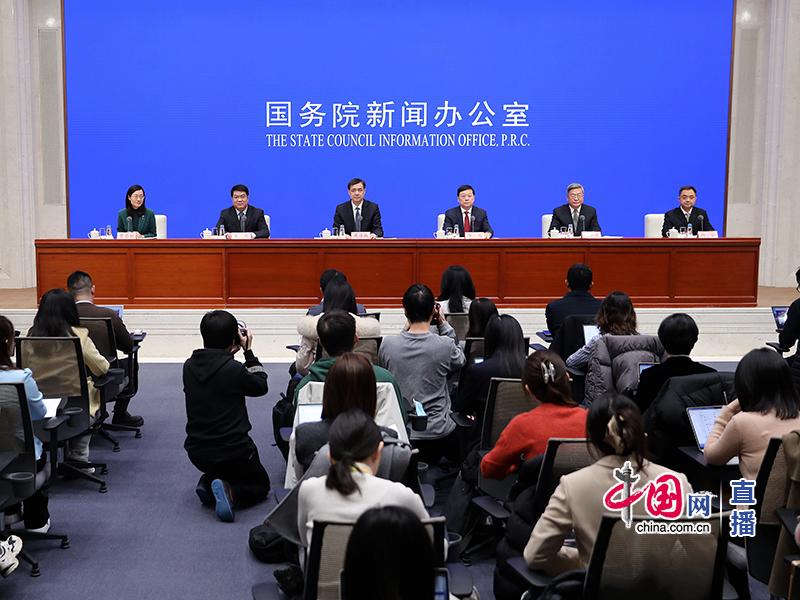
建工修复签约1.275亿磷石膏资源化利用项目
Zheng Quan Ri Bao Wang· 2025-11-28 10:44
Core Viewpoint - Beijing Construction Engineering Repair Co., Ltd. has successfully signed a contract for a phosphogypsum resource utilization project with Yunnan Hongfu Fertilizer Co., Ltd., amounting to approximately 127.5 million yuan, with a service period of five years [1] Group 1: Project Details - The project is located in Dongchuan District, Kunming City, Yunnan Province, where the company will provide comprehensive utilization services for phosphogypsum generated during the production process of Yunnan Hongfu Fertilizer [1] - Phosphogypsum, a byproduct of the phosphate fertilizer industry, poses environmental risks due to long-term storage, which can lead to soil and water pollution [1] Group 2: Environmental Impact - The implementation of this project will effectively address the environmental hazards associated with phosphogypsum, improve the ecological environment quality in the region, and significantly enhance the utilization rate of phosphogypsum [1] - The project supports the transformation of industrial solid waste from waste to resource, contributing to the development of a circular economy in the region [1] Group 3: Company Strategy and Future Plans - In recent years, the company has focused on the research and development of industrial solid waste resource utilization technologies and has implemented related governance projects in multiple regions, accumulating rich practical experience [1] - The company aims to strictly adhere to high standards, quality, and efficiency in project construction, striving to create a demonstration project for phosphogypsum utilization, providing replicable and promotable solutions for the green transformation of the phosphate chemical industry, and assisting in achieving the national "dual carbon" goals [1]
土壤修复+产能置换,双轮驱动环境监测新蓝海
GOLDEN SUN SECURITIES· 2025-11-02 12:59
Investment Rating - The report maintains a "Buy" rating for key companies in the environmental sector, including High Energy Environment, Huicheng Environmental, and Hongcheng Environment [5][36]. Core Insights - The environmental remediation sector is expected to benefit significantly from new policies aimed at promoting green transformation and enhancing land value through soil remediation and capacity replacement [1][19]. - The Ministry of Industry and Information Technology has introduced new regulations for capacity replacement in the steel industry, which will directly benefit sub-sectors such as industrial solid waste treatment and environmental monitoring [1][19]. - The report highlights the strong performance of the environmental sector, which has outperformed the broader market indices, indicating a potential for continued growth [39]. Summary by Sections Investment Views - The Ministry of Ecology and Environment has issued a notice to standardize the "environmental remediation + development" model, which aims to enhance the technical threshold and project scale in the environmental remediation industry [10][18]. - The new steel industry capacity replacement regulations emphasize strict replacement ratios and comprehensive supervision, which are expected to drive quality improvements and green transformation in the industry [19][35]. - The current macroeconomic environment, characterized by historically low interest rates, favors investments in high-dividend and growth-oriented assets, particularly in the environmental sector [2][36]. Market Performance - The environmental sector has shown strong performance, with a weekly increase of 1.16%, outperforming both the Shanghai Composite Index and the ChiNext Index [39]. - Key sub-sectors within the environmental industry, such as air quality and solid waste management, have also demonstrated positive growth, with notable individual stock performances [39]. Industry News - Recent legislative changes, including amendments to the Environmental Protection Tax and new energy-saving regulations in Guangdong, are expected to further support the environmental sector's growth [47][48]. - The introduction of "Industrial Green Effect Loans" in Chongqing aims to facilitate the green transformation of the manufacturing sector, indicating a broader trend towards sustainable financing [48].


让工业固废“变废为宝”(弘扬科学家精神·对话)
Ren Min Ri Bao· 2025-08-04 22:39
Core Viewpoint - The article highlights the importance of industrial solid waste management, emphasizing the potential for transforming waste into valuable resources through effective treatment and utilization techniques [2][3]. Group 1: Industrial Solid Waste Management - Industrial solid waste management follows the principle of balancing resource utilization and harmless disposal, distinguishing between treatment for reuse and disposal for safety [3]. - Techniques such as physical separation and advanced optical sorting are employed to enhance the recovery of valuable components from waste materials like coal gangue [3][4]. - The article discusses the challenges in recognizing the resource attributes of solid waste and the high costs associated with technology implementation, which hinder the promotion of effective waste management solutions [5]. Group 2: Research and Development in Waste Utilization - The article outlines the significant breakthroughs achieved in the high-efficiency utilization of coal gangue and the establishment of multiple demonstration projects for comprehensive waste utilization [2]. - It emphasizes the need for collaborative innovation between academia and industry to address real problems in waste management and enhance the effectiveness of research outcomes [6][7]. - The narrative includes a historical perspective on the development of domestic technologies to reduce reliance on imports, showcasing the importance of local innovation in addressing industry challenges [6][8]. Group 3: Future Directions and Recommendations - The article suggests that understanding the specific composition and properties of waste materials is crucial for successful recycling and resource recovery [5]. - It advocates for a long-term commitment to research and development in the field of industrial solid waste, encouraging researchers to focus on the pressing needs of the industry [9]. - The importance of patience and perseverance in scientific research is highlighted, with a call for researchers to remain dedicated to their work despite initial setbacks [9].

对话国家卓越工程师、山西大学教授程芳琴—— 让工业固废“变废为宝”(弘扬科学家精神·对话)
Ren Min Ri Bao· 2025-08-04 21:56
Core Viewpoint - The article emphasizes the importance of transforming industrial solid waste from an environmental burden into a valuable resource through effective management and innovative technologies [1][2]. Group 1: Industrial Solid Waste Management - Industrial solid waste management follows the principle of balancing resource utilization and harmless disposal, distinguishing between "treatment" for reuse and "disposal" for safety [2]. - Techniques such as physical separation and advanced optical sorting are employed to enhance the recovery of valuable components from waste like coal gangue [2][3]. - The article highlights the need for a technical chain that includes pre-treatment activation, resource utilization, and harmless disposal to promote circular economy development [2]. Group 2: Challenges and Opportunities - The potential for "waste-to-resource" transformation is recognized, with valuable elements in industrial waste available for tiered utilization [3]. - Key challenges include unclear recognition of the resource attributes of waste and high costs associated with technology implementation, which hinder the promotion of effective waste management solutions [4]. - The article stresses the necessity of understanding the composition of waste and the production processes to avoid costly mistakes in recovery efforts [4]. Group 3: Research and Innovation - The article discusses the importance of collaborative innovation and aligning research with industry needs to create a conducive environment for scientific advancement [6][9]. - It highlights the significance of addressing real industry problems to ensure that research efforts are relevant and impactful [7][9]. - The article also mentions successful case studies, such as the development of potassium sulfate production technology, which demonstrates the practical application of research in solving industry challenges [8][10].
建行玉溪分行助力民企高质量发展
Jin Rong Shi Bao· 2025-04-29 03:13
Group 1 - Yunnan Yuxi Branch has supported private enterprises with a total of 516 million yuan in new loans by the end of the first quarter, becoming a strong backing for local private enterprise development [1] - The new generation of polyurethane boards produced by Yunnan Tianzhixing Energy-saving Building Materials Co., Ltd. has been used to upgrade over 30,000 mobile tobacco drying rooms in the province, showing initial success [2] - The polyurethane boards have a lower thermal conductivity, higher fire rating, and a lifespan extension of 30%-50% compared to traditional EPS foam boards [2] Group 2 - Yunnan Yifeng Refractory Materials Co., Ltd. has developed a patented product called "anhydrous mud," which significantly enhances material erosion resistance and sealing performance at high temperatures [3] - The company holds 16 utility model patents and supplies refractory materials to major steel groups, including Sichuan Dazhou Steel Group and Yunnan Yukun Steel [3] - The company received an 8 million yuan credit loan from the bank to ensure timely supply and upgrade production equipment due to increased raw material procurement [3] Group 3 - Yunnan produces 100,000 tons of blast furnace gas ash and zinc-containing waste annually, which poses environmental risks if not handled properly [4] - Yunnan Yimen Keyuan Industrial Solid Waste Comprehensive Utilization Co., Ltd. has transformed waste into valuable metals using "oxidation-reduction aggregation" technology [4] - The company received a 3 million yuan loan from the bank to acquire high furnace waste and has been supported for 20 years, recently receiving an additional 1.75 million yuan loan to enhance resource utilization and reduce energy consumption [4]