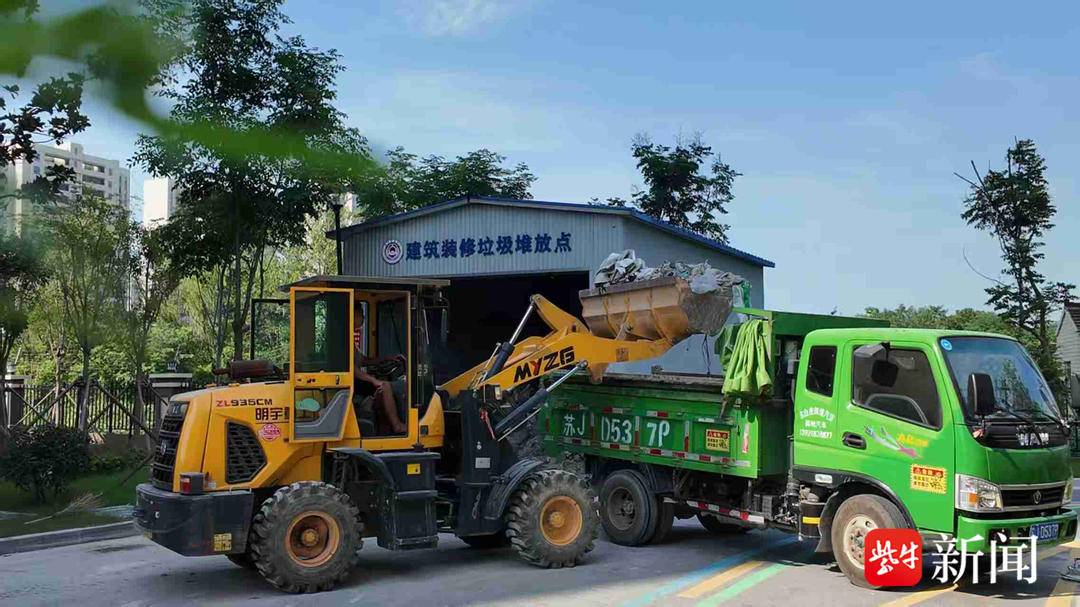
建筑垃圾处理

Search documents
建筑垃圾去哪了?重庆璧山算好三本账
Ren Min Ri Bao· 2026-02-03 07:02
Core Viewpoint - The article highlights the successful transformation of construction waste management in Chongqing's Banan District, focusing on the resource utilization of construction waste to promote sustainable urban development and the concept of a "waste-free city" [1][6]. Group 1: Resource Utilization - Construction waste is sorted and processed into reusable materials, such as permeable bricks, which are then used in local infrastructure projects [1][4]. - The district has established a network for resource utilization, with an annual processing capacity of 200,000 tons and a resource utilization rate of 68.23% [5]. - The introduction of advanced sorting and processing technologies has improved efficiency, allowing for the production of recycled materials at a lower cost [4][5]. Group 2: Government Investment - The district has integrated construction waste reduction into its civil construction assessment system, promoting green practices in design and construction [6][7]. - The use of prefabricated components has reduced construction waste by nearly 40%, demonstrating effective source reduction strategies [6]. - The government has invested in monitoring and regulatory measures, including digital applications and drone surveillance, to prevent illegal dumping and ensure compliance [7][9]. Group 3: Economic and Social Impact - The resource utilization of construction waste not only reduces disposal costs but also contributes to economic development by creating jobs and lowering construction costs [8][9]. - The initiative aims to enhance public awareness and acceptance of recycled products, addressing challenges in market demand and product recognition [9]. - The government plans to encourage social capital participation and support the development of leading enterprises to stimulate market activity and achieve comprehensive social benefits [9].
重庆璧山算好三本账(美丽中国·关注地方生态治理)
Ren Min Ri Bao· 2026-02-03 05:27
Core Viewpoint - The article emphasizes the importance of improving waste classification and resource utilization in construction waste management, highlighting the successful implementation of a resource utilization network in Chongqing's Banan District, which aims to achieve economic, ecological, and social benefits simultaneously [1]. Group 1: Resource Utilization and Economic Impact - Chongqing's Banan District has established a network for the resource utilization of construction waste, with an annual processing capacity of 200,000 tons and a resource utilization rate of 68.23% [5]. - The introduction of Chongqing Ronglu Construction Engineering Co., which specializes in resource utilization, has significantly improved efficiency in processing construction waste, allowing for the production of recycled permeable bricks and other materials [4][5]. - The operational costs for resource utilization facilities exceed 10,000 yuan per day, but government support, including land provision and subsidies, has reduced production costs, leading to an annual output value of approximately 20 million yuan [5]. Group 2: Source Reduction and Regulatory Measures - Banan District has integrated construction waste reduction into its civil construction assessment system, promoting green practices in design and construction, which has led to a 40% reduction in waste generated from foundation excavation through the use of prefabricated components [7]. - The district aims for a 10% reduction in construction waste generation in 2024 compared to 2023, with a 15% decrease in engineering soil waste [7]. - Strict regulatory measures are in place to monitor the generation and transportation of construction waste, including the use of digital applications and drones for real-time monitoring [7][8]. Group 3: Social and Environmental Benefits - The resource utilization of construction waste not only reduces pollution and carbon emissions but also contributes to sustainable development by minimizing land use for waste disposal [9]. - There are challenges in market-driven mechanisms and public acceptance of recycled products, indicating a need for increased awareness and education regarding the benefits of resource utilization [9]. - The government plans to enhance social capital involvement and support policies to cultivate leading enterprises in the industry, aiming to stimulate market activity and achieve comprehensive social benefits [9].
推动建筑垃圾科学处置与资源化利用 重庆璧山算好三本账(美丽中国·关注地方生态治理)
Ren Min Ri Bao· 2026-02-02 22:21
Core Insights - The article discusses the implementation of a comprehensive waste management strategy in Chongqing's Banan District, focusing on the recycling and resource utilization of construction waste, aiming for economic, ecological, and social benefits. Group 1: Resource Utilization - Banan District has established a network for the resource utilization of construction waste, achieving an annual processing capacity of 200,000 tons and a resource utilization rate of 68.23% [5] - The introduction of Chongqing Ronglu Construction Engineering Co., which specializes in resource utilization, has significantly improved the efficiency of waste processing through advanced machinery [4][5] - The production of recycled permeable bricks from construction waste has been successfully integrated into local infrastructure projects, demonstrating the practical application of recycled materials [4][5] Group 2: Cost Management - The operational costs for resource utilization facilities exceed 10,000 yuan per day, but government support, including land provision and subsidies, has reduced production costs and expanded market reach [5] - The economic benefits of resource utilization include lower disposal costs and reduced land occupation for landfill, contributing to overall economic development in the region [8] Group 3: Source Reduction - Banan District has incorporated waste reduction into its construction assessment criteria, promoting green practices in design and construction to decrease waste generation by nearly 40% [7] - The district aims to reduce construction waste generation by 10% in 2024, with a 15% reduction in engineering soil waste compared to 2023 [7] Group 4: Social Impact - The resource utilization of construction waste contributes to reducing pollution and carbon emissions, highlighting the broader ecological and social benefits beyond economic gains [9] - Challenges remain in market-driven mechanisms and public acceptance of recycled products, necessitating efforts to enhance awareness and acceptance of these materials [9]
锐财经|固废综合治理能力再提升
Ren Min Ri Bao Hai Wai Ban· 2026-01-14 06:06
Core Viewpoint - The article discusses the release of the "Solid Waste Comprehensive Management Action Plan" by the State Council, which aims to strengthen solid waste management in China as part of the country's green transformation efforts. The plan emphasizes a comprehensive management system based on reduction, resource utilization, and harmless disposal of solid waste [1][2]. Group 1: Overall Strategy and Goals - The "Action Plan" outlines the overall strategy, work objectives, key tasks, and supporting measures for solid waste management in the coming years, addressing prominent issues in solid waste governance with systematic and integrated policy measures [2]. - By 2030, the plan aims for significant improvements in solid waste management, including controlling historical stockpiles, curbing illegal dumping, achieving a comprehensive utilization of 4.5 billion tons of major solid waste, and recycling 510 million tons of main renewable resources annually [2]. Group 2: Sector-Specific Management - In agriculture, the plan highlights the challenges of managing solid waste, with current utilization rates for livestock waste at 80.1%, straw at over 88%, and agricultural film disposal at over 85%. The Ministry of Agriculture will enhance guidance on the scientific use of agricultural film and promote resource utilization of livestock waste [4]. - In urban areas, the plan addresses the large amounts of construction waste generated by urbanization, with the Ministry of Housing and Urban-Rural Development focusing on promoting green construction and improving waste management practices [4]. - For industrial waste, the plan emphasizes controlling the generation and historical stockpiles of industrial solid waste, with the Ministry of Ecology and Environment aiming to explore new channels for large-scale utilization and gradually reduce both new and accumulated waste [5]. Group 3: Promoting Circular Economy - The "Action Plan" aims to enhance resource utilization levels and leverage market forces to promote the development of a circular economy, emphasizing the principles of reduction and resource utilization [6]. - Specific requirements are set for the source reduction, process control, and resource utilization of solid waste, encouraging sustainable business models [6]. - The plan also focuses on the extraction and utilization of valuable components from industrial and agricultural solid waste, promoting the recycling of various materials and the development of remanufacturing industries [6]. Group 4: Future Planning - The National Development and Reform Commission will lead the formulation of the "14th Five-Year Plan" for circular economy development, setting clear goals and tasks for key areas of recycling and utilization of solid waste [7].
听一块废砖“自述”在达孜如何走向“重生之路”
Ren Min Ri Bao· 2025-11-23 00:05
Core Insights - The company has successfully transformed construction waste into reusable building materials, demonstrating a sustainable approach to waste management and resource utilization [1][4] - Since its establishment in 2019, the company has processed over 250,000 tons of construction waste, achieving 100% recycling in the district and creating 137 jobs with an annual income increase of 4.7 million yuan [3] Group 1: Company Operations - The company collects construction waste from various sites, including old residential windows, broken tiles, and cement blocks, without incurring purchasing costs, thus maximizing resource reuse [1][2] - The waste materials are processed through crushing, magnetic separation, and screening, ultimately being transformed into new bricks through high-pressure solidification [3] Group 2: Community Impact - The company has contributed to local employment and income generation, with 137 individuals benefiting from job opportunities and a total annual income increase of 4.7 million yuan [3] - The factory's expansion in 2023 and the introduction of new production lines have enhanced processing capabilities, further supporting local economic growth [3] Group 3: Environmental and Social Responsibility - The initiative aligns with the ecological governance and livelihood improvement strategies of the Tibet Autonomous Region, serving as a model for sustainable development in highland cities [4] - The company has been recognized for its contributions to long-term stability and high-quality development, receiving awards for its efforts in resource recycling [3][4]
10年整改44755个突出问题 四川交出生态环境整改答卷
Si Chuan Ri Bao· 2025-11-07 07:02
Core Viewpoint - Sichuan has rectified 44,755 prominent ecological and environmental issues, reflecting a systematic approach to ecological protection over the past decade [1] Group 1: Environmental Rectification Efforts - Sichuan has undergone three rounds of central ecological environmental protection inspections since 2017, achieving full coverage of 21 cities [2] - The province has implemented a dynamic verification system to address public concerns, leading to significant improvements in issues such as solid waste encroachment and illegal dumping [2] - Specific examples include the cleanup of 194,800 cubic meters of waste in Ya'an and the establishment of a comprehensive river and lake supervision system [2][3] Group 2: Industrial Upgrading and Green Development - Sichuan is integrating environmental rectification with industrial green upgrades, optimizing industrial structures and transportation systems [4] - The province has eliminated over 670 outdated brick and tile production lines and reduced the number of restricted enterprises by over 30% compared to 2023 [4] - The industrial added value in the first half of the year grew by 7.3%, with green and low-carbon industries contributing over 30% [4] Group 3: Transportation Sector Developments - The transportation sector has seen growth in freight volumes, with rail and water transport increasing by 3.2% and 21.7% respectively [5] - Sichuan plans to pilot zero-carbon industrial parks and optimize the layout of hydrogen refueling and battery swapping stations to promote green logistics [5] - The province aims to create a new governance model that aligns ecological protection with high-quality economic development [5]
数字赋能变废为宝,来运数智土方2年创收2.7亿的成功密码!
Sou Hu Cai Jing· 2025-09-25 14:28
Core Insights - The innovative "smart earthwork" model has generated significant revenue and cost savings, with a reported income of 270 million yuan and savings exceeding 200 million yuan in municipal disposal costs over two years [1][3][5] Group 1: Industry Challenges and Solutions - Traditional earthwork disposal is often treated as construction waste, leading to high disposal costs and land occupation [3] - The smart earthwork model redefines construction waste as "recycled resources," utilizing digital technology for value reconstruction [3][5] Group 2: Technological Implementation - The company has developed a comprehensive digital support system led by a research team, featuring smart terminal devices such as unmanned sentinels and transport management tools [5] - This system enables intelligent management of the entire earthwork process, from generation to measurement, optimizing supply-demand relationships and transportation routes [5] Group 3: Economic and Social Benefits - The model has led to enhanced management efficiency, transparency, and reduced corruption risks, while also improving urban environmental quality [5][6] - It aligns with national strategies for carbon neutrality and waste-free cities, transforming scattered resources into a unified management system [5][6] Group 4: Market Expansion and Future Prospects - Following successful implementation in one region, the model is being replicated in multiple locations, with projected annual income exceeding 600 million yuan [6] - The company aims to create a new internet ecosystem for the construction waste industry, potentially nurturing unicorn enterprises in the smart waste management sector [6]

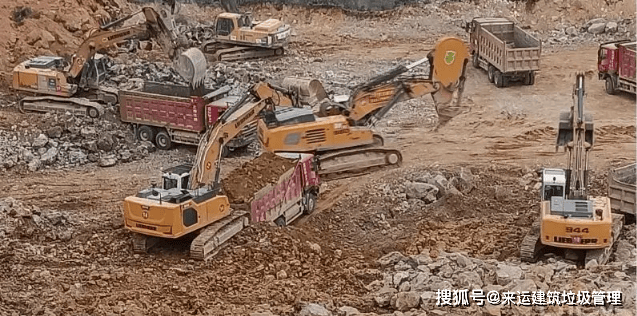
多部门联合整治建筑垃圾违法处置行为
Hang Zhou Ri Bao· 2025-09-22 02:10
Core Viewpoint - The city of Hangzhou has implemented a comprehensive crackdown on illegal construction waste disposal, utilizing electronic tracking and intelligent checkpoints to ensure compliance and protect the environment [1][2][3]. Group 1: Regulatory Actions - Since August, over 8,500 inspections have been conducted across the city, with 122 checkpoints established at key locations to monitor construction waste disposal [1][2]. - A collaborative work mechanism has been established involving multiple departments, including the Municipal Comprehensive Administrative Law Enforcement Bureau and the Public Security Bureau, to enhance the effectiveness of the crackdown [2]. Group 2: Monitoring and Enforcement - A full-process regulatory system has been innovatively constructed to monitor construction waste from source to disposal, ensuring no blind spots in oversight [3]. - Nighttime inspections have been conducted, covering 866 construction projects and signing "Eight Musts" notices with 1,749 companies to enforce compliance [3]. Group 3: Penalties and Accountability - A robust accountability mechanism has been established, maintaining a high-pressure regulatory environment to ensure swift handling of violations [4]. - Specific cases of violations have resulted in fines, such as a construction labor subcontractor being fined 75,000 yuan for not using electronic transfer slips, and another case where a vehicle was fined 4,500 yuan for improper operation leading to pollution [4]. Group 4: Future Directions - The city plans to continue deepening the regulatory efforts, enhancing digital monitoring, increasing enforcement actions, and promoting industry self-discipline to improve the standardization of construction waste disposal [4].
曲阜:点燃科技智慧引擎 赋能建筑垃圾治理
Qi Lu Wan Bao Wang· 2025-09-21 03:31
Core Viewpoint - Qufu City is enhancing its urban management through innovative thinking and technology, focusing on building waste management to improve the city's environment and livability [3][5]. Group 1: Building Waste Management Initiatives - Qufu City has implemented a comprehensive management service system for construction waste, addressing pollution and enhancing urban management efficiency [3]. - The city has established a registration and review system for construction waste disposal, ensuring that 13 transportation companies and over 50 vehicles comply with regulations [4]. - A total of 24 ongoing projects have completed waste classification disposal plans, and 54 residential communities have set up temporary storage points for renovation waste [4]. Group 2: Technological Integration - Over 50 construction waste transport vehicles have been upgraded with BeiDou positioning and blind spot monitoring systems, integrated into a digital urban management platform for real-time monitoring [4]. - This technological approach has improved the safety and efficiency of waste transport, preventing illegal dumping and ensuring compliance with designated routes [4]. Group 3: Resource Utilization Projects - Qufu City is advancing construction waste resource utilization projects, with one facility already operational, producing 400 tons of recycled aggregate and 200 cubic meters of precast concrete daily, generating a revenue of 100,000 yuan [4]. - Another project under construction is expected to process 300,000 tons of construction waste and 160,000 tons of renovation waste annually, increasing the resource utilization rate [4][5]. Group 4: Future Directions - Qufu City plans to continue enhancing its construction waste management efforts to further improve urban environmental quality, aiming for a cleaner and more beautiful city [5].
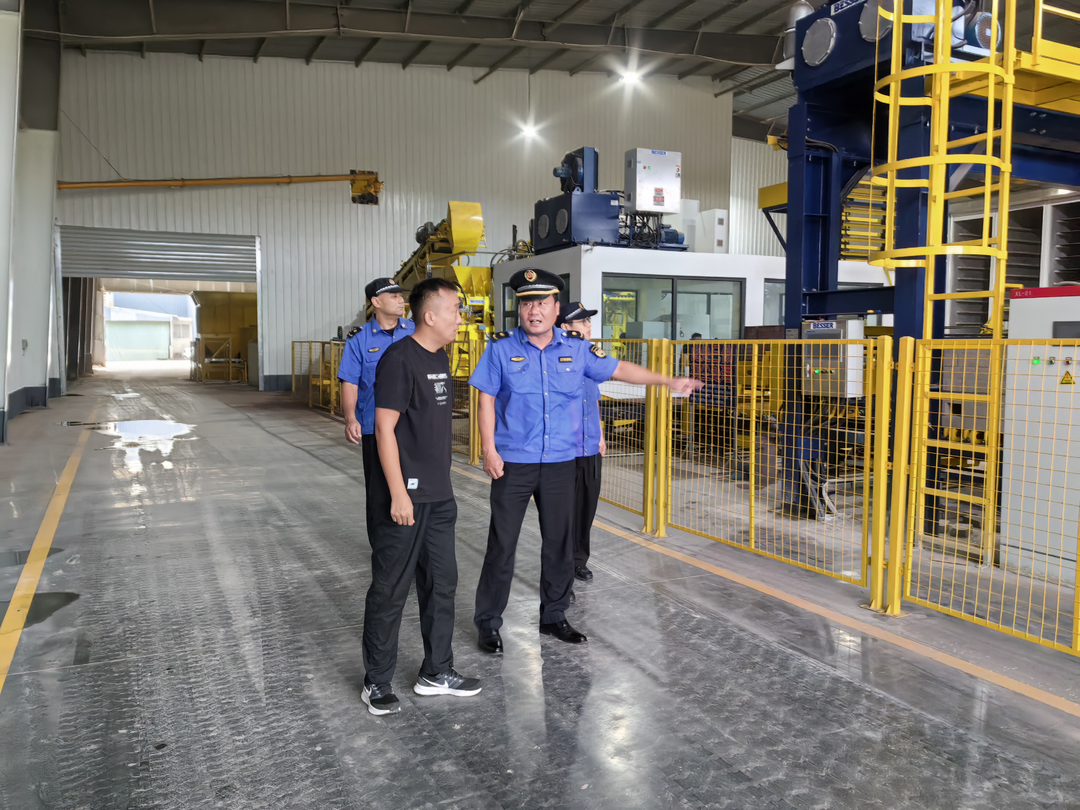
盐城东台建筑垃圾资源化利用率达90%的背后故事
Yang Zi Wan Bao Wang· 2025-08-25 07:28
Core Viewpoint - Jiangsu Yancheng Dongtai has transformed construction waste from an urban issue into a resource for the circular economy, achieving a 90% resource utilization rate of construction waste through comprehensive management practices [1][7]. Group 1: Source Management - Construction waste is now organized in designated areas, improving management efficiency significantly, with 108 property communities covering waste disposal points [3]. - The city has implemented a system where every construction site has a "waste ID," ensuring that all construction waste is properly documented and managed [3]. Group 2: Transportation Control - A digital management platform has been established for 169 dump trucks, allowing for real-time tracking of vehicle routes and waste transport [5]. - Collaborative efforts among police, traffic, and urban management have led to the interception of illegal dumping activities, with 12 cases being strictly dealt with this year [6]. Group 3: End Processing - Construction waste is processed into recycled materials, producing 200 cubic meters of concrete and 70,000 to 100,000 bricks daily, indicating high demand for these recycled building materials [7]. - The city has established a closed-loop system for waste management, with 32,000 tons of waste being repurposed into new materials, contributing to local infrastructure projects [7].