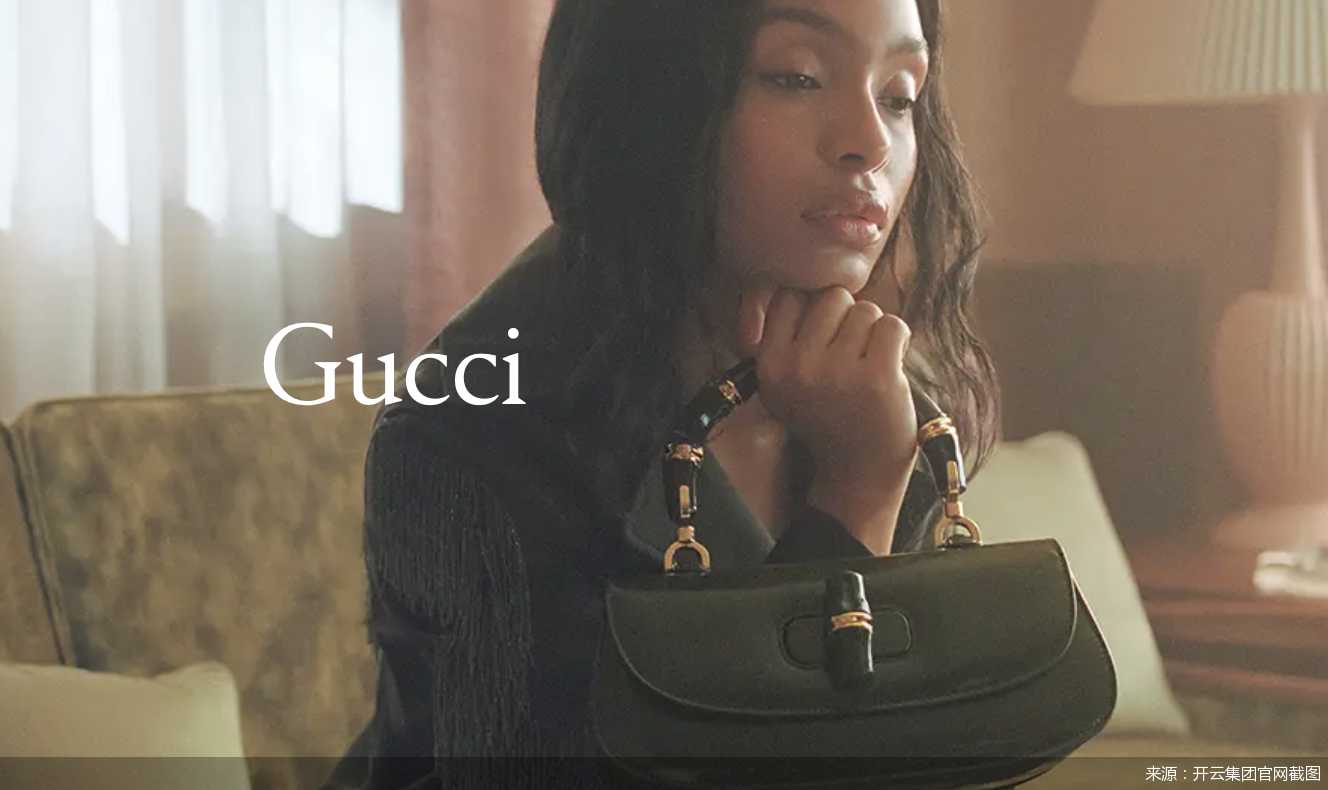
巴黎世家美妆

Search documents
欧莱雅332亿豪赌高端化背后
21世纪经济报道· 2025-10-24 13:49
Core Viewpoint - L'Oréal is aggressively expanding its high-end beauty portfolio through significant acquisitions, including a €4 billion deal for Kering's beauty business, aiming to enhance its luxury brand matrix and secure long-term growth opportunities in a challenging market environment [1][4]. Group 1: Recent Acquisitions and Strategic Moves - L'Oréal announced the acquisition of Kering's beauty business for €4 billion, gaining 50-year beauty licenses for brands like Gucci and Balenciaga [1]. - The company has also acquired niche luxury fragrance brand Creed and secured long-term minority stakes in other high-end brands, filling gaps in its premium beauty offerings [6]. - L'Oréal's CEO indicated plans to discuss potential collaborations with the Armani Group, reflecting a strategy to leverage high-end brand partnerships for growth [1][4]. Group 2: Financial Performance - L'Oréal reported a sales revenue of €32.81 billion for the first nine months of 2025, with a like-for-like growth of 3.4% [3]. - The North Asia region achieved its first comparable growth in two years, with a 0.5% increase, driven by the recovery of high-end cosmetics [10]. - The professional products division led growth with a 7.4% increase, while the luxury segment saw a modest 2.2% growth [3]. Group 3: Market Positioning and Future Strategy - L'Oréal aims to transition from a brand manager to an "ecosystem builder," seeking to create synergies with Kering to explore new growth avenues [4]. - The company is focusing on enhancing its capabilities in customer engagement and digital innovation, which are critical in the current competitive landscape [8][11]. - The luxury beauty market is experiencing rapid growth, particularly in niche high-end fragrances, which L'Oréal is now better positioned to capitalize on with its recent acquisitions [6][12].


开云40亿欧元将美妆卖给欧莱雅,还有古驰的50年授权
Di Yi Cai Jing· 2025-10-20 13:11
Core Viewpoint - Kering Group has agreed to sell its beauty division to L'Oréal for €4 billion, marking a significant strategic shift under the new CEO, aimed at reducing debt and focusing on core luxury goods [1][7]. Group 1: Transaction Details - The sale includes the high-end perfume brand Creed and a 50-year exclusive licensing agreement for producing beauty products for Kering's brands like Gucci, Balenciaga, and Bottega Veneta [3]. - The transaction is expected to be completed in the first half of 2026 [1]. Group 2: Financial Context - Kering's beauty segment accounted for only 2% of its total revenue, which highlights its limited contribution to the overall business [4]. - Kering's revenue fell by 16% to €7.587 billion in the first half of 2025, with net profit dropping 46% to €474 million [6]. - Kering's debt reached €9.5 billion by mid-2023, prompting the need for financial restructuring [6]. Group 3: Industry Trends - The acquisition signifies a shift from brand-led to platform-led ecosystems in the luxury and beauty sectors, with brands focusing on creativity and brand value while outsourcing operations to specialized groups [3][7]. - The luxury sector is experiencing intensified competition, leading companies to divest non-core businesses and concentrate on primary areas like leather goods and high fashion [7]. Group 4: L'Oréal's Strategy - L'Oréal aims to enhance its position in the high-end beauty market by integrating multiple luxury brands into its portfolio, following its successful acquisition of Yves Saint Laurent's beauty business in 2008 [8]. - L'Oréal's fragrance division has shown strong growth, with a reported 11% increase in sales, indicating a robust market potential [10].
一笔40亿美元的美妆交易,开云集团和欧莱雅“各取所需”
Bei Jing Shang Bao· 2025-10-19 13:41
Core Viewpoint - Kering Group is reportedly planning to sell its beauty division to L'Oréal for approximately $4 billion, indicating a strategic shift amidst financial challenges and a focus on core brand development [1][9]. Group 1: Transaction Details - The sale includes the development rights for several luxury beauty brands such as Creed, Bottega Veneta, Balenciaga, and Alexander McQueen [3][10]. - The transaction is expected to be officially announced soon, with Kering retaining its core brand assets while monetizing the beauty segment [3][4]. Group 2: Leadership and Strategy - Luca de Meo, appointed as CEO of Kering in September, is recognized for his transformative leadership in the automotive industry and is expected to implement significant changes at Kering [4][5]. - De Meo's immediate actions included a leadership change at Gucci and the elimination of the deputy CEO position, signaling a focus on streamlining operations [5]. Group 3: Financial Context - Kering's beauty division has been a bright spot in its financial reports, with beauty revenue reaching €323 million in 2024 and a 9% growth rate in the first half of 2025 [8]. - Despite the beauty segment's growth, Kering's overall revenue declined by 16% to €7.587 billion in the first half of 2025, with a 46% drop in net profit [8]. Group 4: Implications for L'Oréal - The acquisition will enhance L'Oréal's positioning in the luxury beauty market, aligning with its strategy to build a portfolio of high-end brands [11][12]. - L'Oréal's recent acquisitions and partnerships indicate a strong intent to expand its luxury fragrance offerings, which will be bolstered by the addition of Kering's brands [11][12]. Group 5: Market Challenges - Analysts suggest that while the acquisition may provide short-term growth for L'Oréal, it does not address broader industry challenges such as market contraction and increased competition from emerging beauty brands [13].