美妆行业

Search documents
重启上市!透过林清轩再冲“高端第一股”,看国货美妆突围困局仍未破?
Sou Hu Cai Jing· 2026-02-03 02:13
Core Viewpoint - Lin Qingxuan's IPO plan has been suspended due to the failure to complete the hearing within six months of submitting its prospectus, but it has since reinitiated its listing process with a new target date [1][3]. Financial Performance - Lin Qingxuan is experiencing a significant revenue growth period, with a projected 98% year-on-year increase in revenue for 2024, and a gross margin of 82% for its core product, camellia oil, which exceeds the average in the beauty industry [3]. - The company's revenue heavily relies on a single product, the camellia oil priced at 599 yuan for 30ml, which accounts for nearly 60% of total revenue, raising concerns about its risk resilience [3]. Marketing and Cost Structure - Lin Qingxuan's marketing expenses are substantial, with sales and distribution costs reaching 688 million yuan in 2024, representing 56.9% of revenue, and a 100.2% increase in marketing expenses in the first half of 2025, outpacing revenue growth [3][8]. - The company's growth model is heavily dependent on online sales, which increased from 45.2% in 2022 to 65.4% in the first half of 2025, but this has led to rising customer acquisition costs, which doubled from 180 yuan to 320 yuan per effective customer [8]. Brand and Market Positioning - The high-end beauty market in China is growing rapidly, with a compound annual growth rate of 15.3% from 2020 to 2024, but domestic brands like Lin Qingxuan face challenges in gaining consumer acceptance at higher price points due to a lack of brand heritage compared to international brands [4][5]. - Lin Qingxuan's reliance on KOLs and live streaming for sales has created a fragile growth model, as any negative publicity or decline in traffic can directly impact revenue [9]. Regulatory and Compliance Issues - Lin Qingxuan faced a fine of 21,000 yuan in 2023 for misleading advertising regarding its anti-aging claims, highlighting weaknesses in compliance management that could hinder its IPO process [3][7]. Expansion and Control Challenges - The company has expanded its retail presence significantly, with 506 stores by the end of 2024, but over 30% of these are franchise stores, which can dilute brand control and lead to inconsistent customer experiences [11][12]. - The franchise model has resulted in high closure rates and operational inconsistencies, undermining the brand's high-end positioning [11][12]. Valuation and Investment Concerns - Lin Qingxuan's valuation has seen significant increases, reaching 3.846 billion yuan before its IPO, but this high valuation lacks support from substantial assets or R&D investments, raising doubts about its long-term sustainability [13][14]. - The company's focus on marketing over R&D has led to a misalignment between its valuation logic and long-term value, as seen in the practices of other successful beauty brands that prioritize research and brand integrity [14].


当前的经济形势和我们的产业化任务
Sou Hu Cai Jing· 2025-12-29 05:10
Group 1 - The article discusses the evolution of China's economic planning, particularly the "15th Five-Year Plan," emphasizing a shift in focus from macroeconomic statistics to industry-specific data and market dynamics [1][2][4] - The concept of "Made in China 2025" is highlighted as a significant goal for advancing manufacturing capabilities, with provinces like Henan exemplifying successful implementation through technological advancements in various industries [5][6] - The article contrasts China's long-term strategic planning with the short-term focus of U.S. policies, suggesting that China's ability to maintain consistent goals over decades is a key advantage [6][7] Group 2 - The article emphasizes the importance of consumer goods in the national economy, noting that approximately 1.75 million product categories exist, with 1.2 million directly facing consumers [29] - It points out the need for innovation in consumer products, suggesting that integrating advanced technologies into everyday items can lead to significant market opportunities [30][31] - The article also discusses the challenges faced by private enterprises in adapting to technological advancements and the need for a more connected approach between scientific innovation and market demands [23][26][42] Group 3 - The article highlights the importance of vertical innovation in industries, suggesting that focusing on specific product categories can lead to breakthroughs and market leadership [36][37] - It mentions the potential for new consumer trends, such as the "T-shaped revolution," which aims to apply cutting-edge technology to ordinary products, thereby enhancing their market appeal [26][30] - The article concludes with a call for businesses to adapt to changing consumer behaviors and technological advancements, emphasizing the need for continuous innovation and responsiveness to market needs [39][44]
抖音电商双11:超10万商家直播销售额同比翻倍
Zhong Guo Jing Ji Wang· 2025-11-13 03:01
Core Insights - The "2025 Douyin Mall Double 11 Good Goods Festival Data Report" highlights significant growth in the e-commerce sector, driven by the all-domain interest e-commerce model, with 67,000 brands doubling their sales and over 100,000 merchants achieving the same in live sales [1] - The report emphasizes the role of small and medium-sized influencers, contributing over 80% of total sales, showcasing their importance in driving growth [1][2] - Douyin's algorithmic recommendation technology has improved user shopping experiences and reduced operational costs for merchants, saving over 3.3 billion yuan in October alone [1][2] E-commerce Performance - During the Double 11 period, the number of products with sales exceeding 100 million yuan increased by 129%, while the number of live-streaming stores with sales over 10 million yuan grew by 53% [1] - High-quality content and optimized recommendation mechanisms have significantly enhanced product exposure and conversion rates, effectively connecting user needs with quality content [1] Cultural and Knowledge Consumption - Knowledge-driven content has gained popularity, with related influencers seeing a 19-fold increase in traffic efficiency, and e-commerce live streaming and short video view rates rising by nearly 150% [2] - Over 540,000 influencers achieved doubled sales, with small influencers (under 1 million followers) contributing over 80% of total sales, demonstrating their ability to build consumer trust [2] Regional and Product Highlights - Live-streaming e-commerce is becoming a vital force for local specialty industries, with significant sales growth in various regions, such as a 137% increase in Haining fur sales and a 198% increase in traditional iron pot sales from Yongkang [3] - Agricultural products also saw remarkable sales increases, with blueberries in Shandong growing by 418% and tomatoes in Jiangsu by 236% during the promotional period [3] Consumer Electronics and Trends - The smart home and digital product sectors experienced rapid growth, with merchants participating in the "old for new" program seeing a 486% sales increase [4] - Popular categories included washing machines, window-cleaning robots, and action cameras, with sales growth rates of 813%, 401%, and 591% respectively [4] - The trend of cultural toys is also rising, with a 71% increase in the number of toy merchants achieving over 10 million yuan in sales [4]
双11闲鱼观察报告:年轻人大促期间边省边赚
Yang Zi Wan Bao Wang· 2025-11-05 08:20
Core Insights - The "2025 Double 11 Xianyu Observation Report" reveals innovative shopping strategies among young consumers during the Double 11 shopping festival, such as price comparison on Xianyu before making purchases and trying out products before buying full sizes [1][5][10] Group 1: Consumer Behavior Trends - There is a significant increase in group buying, with the number of participants among mothers and pet owners doubling year-on-year, indicating a shift towards collaborative purchasing to save costs [5][8] - Young consumers are increasingly using Xianyu as a "trial center," with a 300% surge in digital rental orders and a 33% increase in beauty sample orders, allowing them to test products before committing to larger purchases [8][10] Group 2: Market Dynamics - Xianyu has emerged as a benchmark for price comparison among young consumers, with local brands like Huazhi and Proya gaining popularity over international brands, reflecting a trend of "national brands gaining favor" during major sales [5][10] - The platform has seen a rise in various skill services, such as part-time delivery and customized shopping guides, which have become popular among young people looking to balance consumption with income generation [8][10] Group 3: Innovative Usage of Resources - Users are creatively repurposing items, such as using kindergarten nap beds for pets and converting second-hand down jackets into dog beds, showcasing a trend of finding alternative uses for products [10] - The report highlights the emergence of new business opportunities through instant retail and service reselling, driven by the increasing demand for virtual assets and skill services [8][10]

高市早苗新政下,中国品牌闯日本需避开这些坑
3 6 Ke· 2025-10-29 08:17
Group 1: Political Landscape - The election of Sanna Takichi as Japan's first female Prime Minister marks a significant breakthrough in Japanese politics, breaking the glass ceiling in a country known for its gender gap [1][4] - Takichi is a prominent figure within the conservative Liberal Democratic Party (LDP), known for her hardline stance on various issues, including defense and relations with China [4][6] - Her administration is expected to continue the economic policies of former Prime Minister Shinzo Abe, particularly the expansionary fiscal policies known as "Abenomics," which have led to a significant rise in the Nikkei index [4][9] Group 2: Economic Context - Japan's economy shows signs of recovery after decades of stagnation, with average wages projected to rise by 5.46% in the 2025 fiscal year, the highest increase since 1991 [9][11] - Despite these positive indicators, the actual wage growth is not keeping pace with rising living costs, leading to consumer spending challenges [9][11] - The country is facing a "rice shortage" crisis, with citizens queuing for subsidized rice due to rising prices and poor harvests, reflecting broader economic pressures [11][12] Group 3: Social Issues - Japan's aging population and declining birthrate are contributing to labor shortages and economic challenges, with over 29% of the population projected to be over 65 by 2024 [14][15] - The rise of right-wing populism in Japan is linked to increasing anti-immigrant sentiments, as foreign labor becomes essential to address labor shortages [15][16] - The societal impact of economic pressures is evident, with many individuals experiencing financial insecurity and a sense of disconnection, as depicted in popular media [12][20] Group 4: Consumer Trends - The shift towards a "fourth consumption era" in Japan emphasizes shared values and emotional connections over materialism, driven by changing demographics and economic realities [21][24] - Chinese brands entering the Japanese market are advised to adapt to these new consumer preferences by focusing on innovative styles, emotional value, and reasonable pricing [24][27] - Successful examples include the popularity of "Yang Guo Fu" spicy hot pot, which resonates with younger consumers seeking unique dining experiences [27][28]

产业前瞻|深度解码银发经济背后的时尚消费变革(下)
Sou Hu Cai Jing· 2025-10-28 06:16
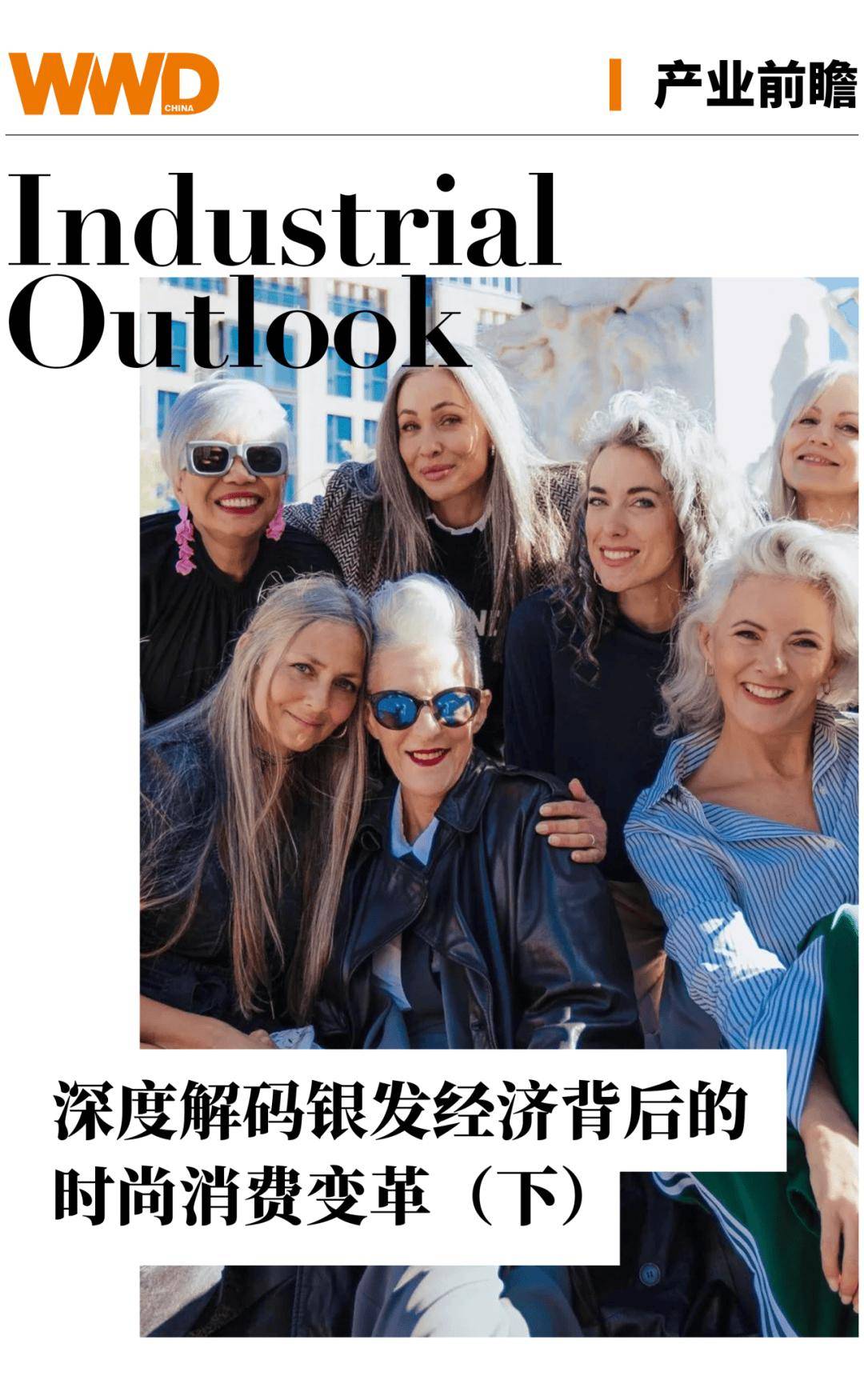
Core Insights - The silver economy, driven by the awakening consumption power of the 50+ demographic, is emerging as a significant growth engine for the fashion, beauty, and health industries over the next decade [5][9][20] - The shift in societal perceptions of beauty is leading to a broader acceptance of aging, allowing brands to tap into a wider market potential [10][12] - The need for brands to adapt their strategies to cater to the 50+ demographic is becoming a critical question for all fashion brands [9][12] Industry Trends - The rise of the silver economy is not just a niche market but a strategic restructuring of the mainstream market [9][12] - Brands are encouraged to move away from a singular focus on youthfulness and instead create an "all-age adaptable" system [12][20] - The fashion industry must consider both functionality and style in their designs, catering to the needs of older consumers while maintaining aesthetic appeal [12][20] Consumer Behavior - The silver demographic seeks recognition as vibrant modern consumers, rejecting age-related stereotypes [10][17] - There is a growing demand for products that are not only anti-aging but also cater to the diverse needs of different segments within the silver population [13][15] - Emotional resonance and cross-generational engagement are becoming essential in marketing strategies [20][21] Strategic Recommendations - Brands should implement AI-driven strategies to create modular designs that cater to both younger and older consumers [16][20] - Retail experiences need to shift from transaction-focused to long-term engagement, fostering community and support for the silver demographic [15][20] - Marketing strategies should leverage dual-track approaches to reach both younger and older audiences effectively [20][21]
330亿,今年最大美妆收购诞生了
投中网· 2025-10-26 07:04
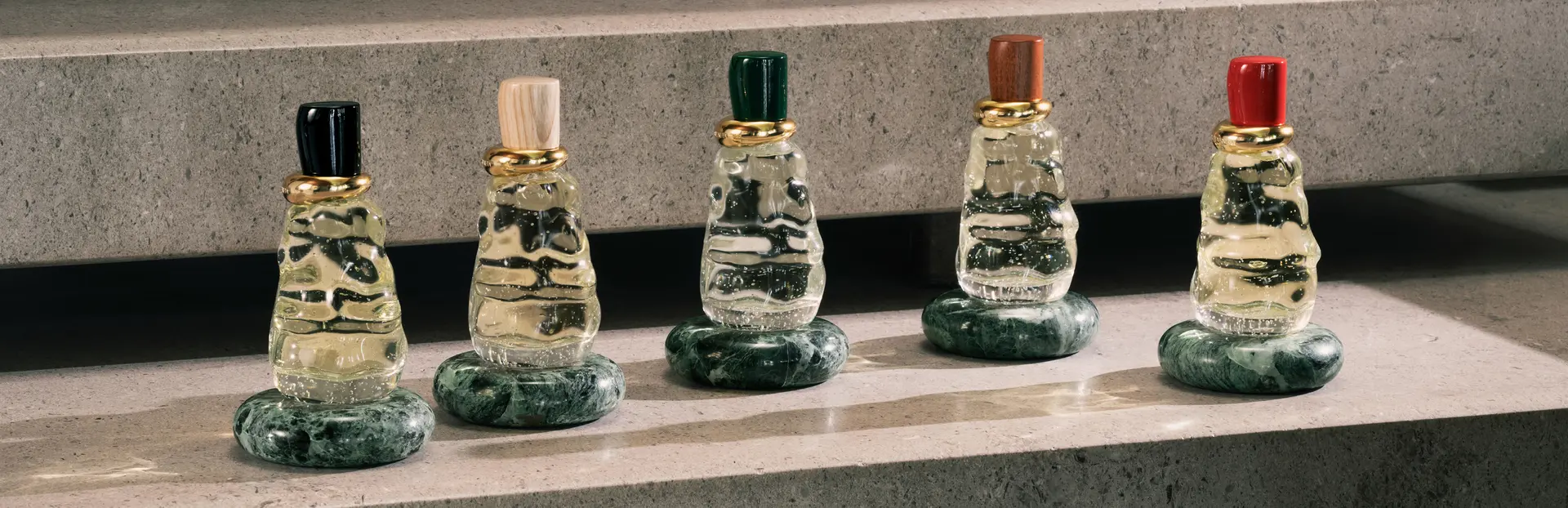
Core Viewpoint - The acquisition of Kering's beauty division by L'Oréal for €4 billion (approximately ¥33 billion) is a significant strategic move in the luxury beauty market, reflecting both companies' long-term goals and the current challenges faced by Kering [3][12][17]. Group 1: Transaction Details - Kering Group announced the sale of its beauty division to L'Oréal for €4 billion, with the transaction expected to be completed in the first half of 2026 [3]. - The deal includes the acquisition of the high-end perfume brand Creed and a 50-year exclusive licensing agreement for Kering's beauty products [3][4]. - A joint venture will be established to explore opportunities in the luxury and health sectors, indicating a strategic alliance beyond mere acquisition [3][17]. Group 2: Kering's Financial Performance - Kering's beauty division generated €323 million in revenue in 2024, with a 9% growth rate in the first half of 2025, primarily driven by Creed [6]. - In contrast, Kering's overall revenue fell by 16% to €7.587 billion in the first half of 2025, with net profit plummeting by 46% to €474 million [6][7]. - The decline in Kering's performance is largely attributed to the underperformance of its flagship brand, Gucci, which saw a 26% drop in revenue [7]. Group 3: Strategic Shifts and Leadership Changes - Kering's new CEO, Luca de Meo, initiated significant reforms shortly after his appointment, including the decision to sell the beauty division [4][10]. - De Meo's leadership is characterized by a focus on core luxury goods, aiming to streamline operations and reduce costs amid financial challenges [10][11]. - The decision to divest the beauty division, despite its growth potential, reflects a strategic pivot to address Kering's broader financial issues [7][9]. Group 4: L'Oréal's Strategic Intent - L'Oréal's acquisition aligns with its strategy to penetrate the high-end beauty market, enhancing its portfolio with luxury brands [12][16]. - The company has been actively acquiring and licensing high-end fragrance brands, indicating a clear focus on expanding its presence in the luxury segment [15][16]. - L'Oréal's recent financial performance shows a 3% increase in sales, with the fragrance segment growing by 11%, underscoring the potential value of the acquisition [17]. Group 5: Market Impact - The transaction has implications for Coty Group, which has relied on Gucci's beauty products; losing this partnership could significantly impact Coty's business [18]. - The competitive landscape in the luxury beauty market is shifting, with L'Oréal positioning itself as a leader in the niche fragrance market through strategic acquisitions and partnerships [16][17].


开云40亿欧元将美妆卖给欧莱雅,还有古驰的50年授权
Di Yi Cai Jing· 2025-10-20 13:11
Core Viewpoint - Kering Group has agreed to sell its beauty division to L'Oréal for €4 billion, marking a significant strategic shift under the new CEO, aimed at reducing debt and focusing on core luxury goods [1][7]. Group 1: Transaction Details - The sale includes the high-end perfume brand Creed and a 50-year exclusive licensing agreement for producing beauty products for Kering's brands like Gucci, Balenciaga, and Bottega Veneta [3]. - The transaction is expected to be completed in the first half of 2026 [1]. Group 2: Financial Context - Kering's beauty segment accounted for only 2% of its total revenue, which highlights its limited contribution to the overall business [4]. - Kering's revenue fell by 16% to €7.587 billion in the first half of 2025, with net profit dropping 46% to €474 million [6]. - Kering's debt reached €9.5 billion by mid-2023, prompting the need for financial restructuring [6]. Group 3: Industry Trends - The acquisition signifies a shift from brand-led to platform-led ecosystems in the luxury and beauty sectors, with brands focusing on creativity and brand value while outsourcing operations to specialized groups [3][7]. - The luxury sector is experiencing intensified competition, leading companies to divest non-core businesses and concentrate on primary areas like leather goods and high fashion [7]. Group 4: L'Oréal's Strategy - L'Oréal aims to enhance its position in the high-end beauty market by integrating multiple luxury brands into its portfolio, following its successful acquisition of Yves Saint Laurent's beauty business in 2008 [8]. - L'Oréal's fragrance division has shown strong growth, with a reported 11% increase in sales, indicating a robust market potential [10].
修丽可五年敦煌公益:一场关于“双重守护”的长期实践
FBeauty未来迹· 2025-10-18 04:03
Core Viewpoint - The article emphasizes the long-term commitment of the company, Shiseido, to cultural heritage protection through its partnership with the Dunhuang Research Institute and the China Dunhuang Grottoes Protection Research Foundation, highlighting the integration of modern technology and traditional craftsmanship in preserving the Dunhuang caves [4][9][27]. Group 1: Cultural Heritage Protection Initiatives - In 2019, Shiseido began its involvement in the protection of Dunhuang cultural heritage and has since deepened its commitment through the "Guarding the Caves, Guarding Beauty" initiative, which aims to enhance public awareness and support for cultural heritage [4][7]. - The "14th Five-Year Plan" for cultural development in China has included cultural heritage protection as a national strategy, positioning the Dunhuang caves as a vital link between Chinese and global civilizations [5]. - The company has launched various initiatives, including a documentary titled "Beauty, Not Oxidation," to raise public awareness about the importance of protecting the Mogao Caves [5][7]. Group 2: Innovative Approaches to Cultural Engagement - Shiseido has introduced innovative experiential formats to make cultural heritage protection tangible, allowing participants to engage directly with the restoration processes of the murals and sculptures [16][17]. - The company has collaborated with the Beijing Exhibition Center to expand the influence of its cultural heritage initiatives, reinforcing its brand vision of "Guarding Beauty" [19][21]. Group 3: Long-term Commitment and Brand Philosophy - Shiseido's actions reflect a commitment to corporate social responsibility (CSR), balancing commercial and social values while actively participating in cultural heritage protection [23]. - The brand's focus on scientific skincare aligns with its cultural initiatives, creating a narrative of "dual protection" that addresses both skin health and the preservation of cultural artifacts [26][27]. - Over five years, Shiseido has evolved its approach from simple donations to comprehensive engagement, demonstrating that corporate philanthropy can be a core strategic element rather than an ancillary activity [21][27].

申万宏源证券晨会报告-20250912
Shenwan Hongyuan Securities· 2025-09-12 01:08
Group 1: Water Sheep Co., Ltd. (300740) - The company is transforming into a high-end beauty group through a dual-brand strategy, enhancing its own brand matrix and acquiring high-end brands like EDB, PA, and RV [9][11] - The company has over 50 international brand partnerships in its CP (contract manufacturing) business, leveraging a "global beauty best CP" model for efficient empowerment [11] - Expected net profits for 2025-2027 are projected to be 258 million, 331 million, and 398 million CNY, representing growth rates of 134.9%, 28.1%, and 20.2% respectively, with corresponding PE ratios of 33, 26, and 22 [11] Group 2: China Shipbuilding Defense (00317) - The company is a listed entity under China Shipbuilding Group, focusing on shipbuilding, offshore engineering, and electromechanical equipment manufacturing, with shipbuilding accounting for 92% of its revenue in H1 2025 [10][12] - The ongoing shipbuilding cycle is expected to benefit the company, with projected net profits for 2025-2027 of 1.1 billion, 1.7 billion, and 2.8 billion CNY, corresponding to PE ratios of 18, 11, and 7 [12][14] - The company is positioned to benefit from a tight supply-demand balance in the shipbuilding market, with a significant backlog of orders and a recovery in new orders expected due to easing trade restrictions [12][14]