年粽

Search documents
“今年春节,我终于跟它们和解了”
3 6 Ke· 2026-02-17 02:16
Group 1 - The article discusses the nostalgic relationship people have with traditional foods during the Spring Festival, highlighting how childhood dislikes can transform into fond memories over time [1] - It emphasizes the importance of food in cultural identity and family gatherings, particularly during significant occasions like the Spring Festival [9][10] - Various regional dishes are mentioned, showcasing the diversity of traditional foods across different provinces in China, such as "盆菜" in Guangdong and "年粽" in Guangxi [2][23] Group 2 - The article describes the preparation and significance of "笼糕" in South China, illustrating the familial bonds formed through cooking and sharing meals [10][11] - It highlights the evolution of taste preferences as individuals grow older, with examples of people rediscovering traditional foods they once disliked, such as lamb soup and blood dishes in Northeast China [18][20] - The narrative also touches on the decline of traditional food preparation practices, as modern conveniences change how families celebrate and share meals [27][28] Group 3 - The article notes the regional variations in traditional foods, such as "扁食" in Shanxi, and how these dishes reflect local customs and family traditions [33][35] - It discusses the communal aspect of food preparation and consumption, emphasizing that sharing meals strengthens familial and social ties [9][10] - The piece concludes with a reflection on the importance of preserving culinary traditions and the emotional connections tied to these foods [27][30]

为春节“预先准备的菜”吃不完,根本吃不完
Xin Lang Cai Jing· 2026-02-16 10:55
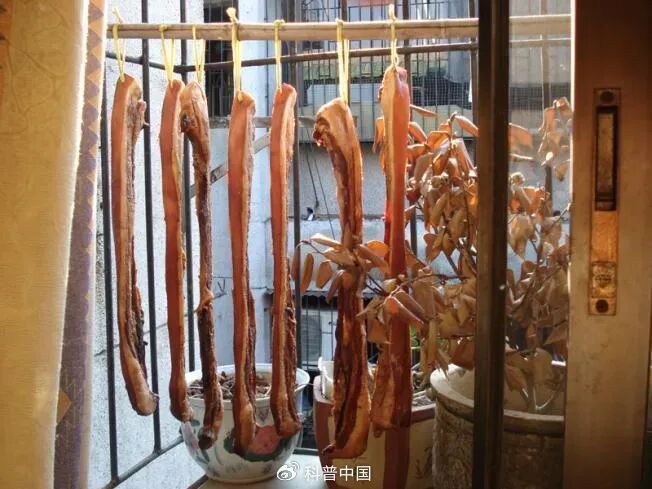
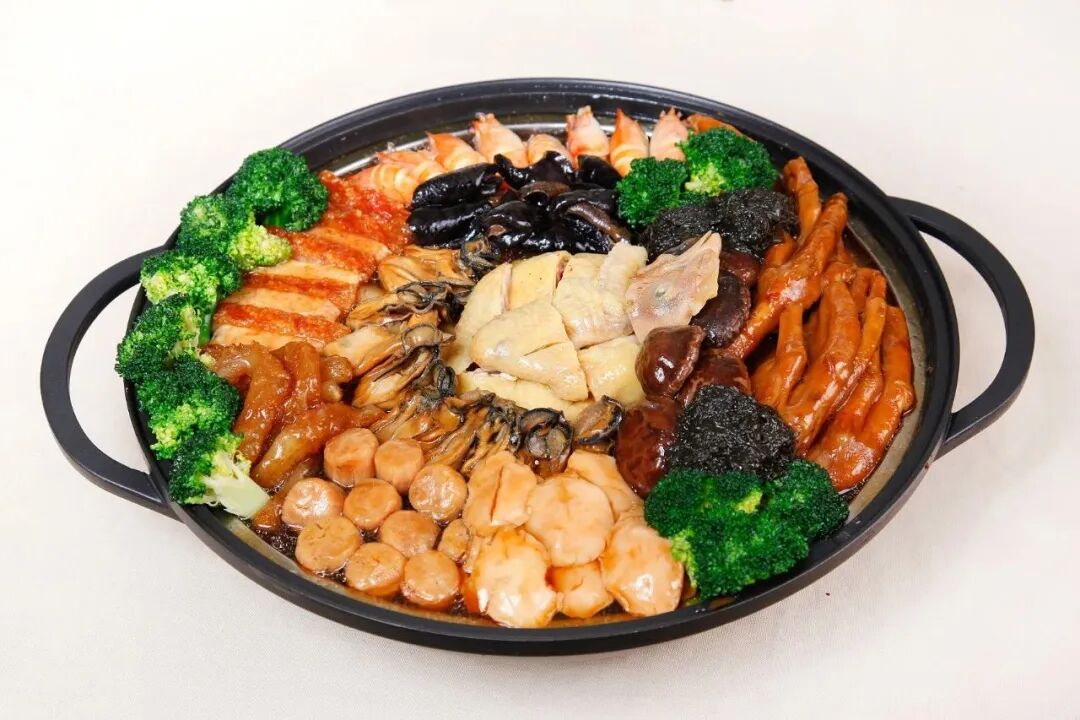
Group 1 - The article discusses the traditional Chinese New Year dinner, emphasizing the importance of preparing various dishes in advance, a practice rooted in historical customs and resource scarcity [1] - Different regions have unique specialties for the New Year, such as hanging sausages and cured meats in Sichuan and Hunan, which are prepared to enhance flavor through drying and smoking [1][3] - The preparation of fried foods is a common practice across China, with various types of meatballs and snacks being made to symbolize completeness and prosperity during the festive season [4][7] Group 2 - Specific dishes like egg dumplings and various fried snacks are highlighted as essential components of the New Year feast, showcasing regional variations in preparation methods [6][10] - The article mentions the significance of large communal dishes, such as the "su guo" (crispy pot), which is a hearty mix of meats and vegetables, symbolizing abundance and hospitality [10] - The "pen cai" (basin dish) is described as a festive dish that combines multiple ingredients, each carrying auspicious meanings, reinforcing family bonds during the New Year celebrations [11] Group 3 - The article emphasizes the importance of vegetarian dishes like "ten vegetable dish," which is a colorful mix of various vegetables, symbolizing good fortune and health [14] - Dumplings are highlighted as a staple in northeastern China during the New Year, with families preparing large quantities to celebrate the occasion [16] - The preparation of traditional staples like steamed buns and rice cakes is noted, with each carrying auspicious meanings related to prosperity and good fortune [18][19]