
广明2号白羽肉鸡

Search documents
“五大行动”夯实根基,广东种业振兴五年交出亮眼成绩单!
Nan Fang Nong Cun Bao· 2026-01-13 06:33
Core Viewpoint - Guangdong's seed industry has made significant progress over the past five years, achieving key milestones in seed resource protection, innovation, enterprise support, and market optimization, contributing to national seed security and agricultural development [10][12][100]. Group 1: Seed Resource Protection - Guangdong has collected and preserved 368,000 agricultural germplasm resources, ranking among the top in the country [15]. - The province has conducted a comprehensive survey of crop, livestock, aquaculture, and agricultural microorganisms, discovering new germplasm resources and achieving a 100% protection rate for local breeds in 35 provincial-level breeding farms [18][21]. - A robust agricultural germplasm resource protection system covering crops, livestock, aquaculture, and microorganisms has been established [22]. Group 2: Innovation in Seed Industry - Guangdong leads national projects in core technology breakthroughs for livestock breeding, contributing to one-third of the national efforts in this area [29]. - The province has developed 36 super rice varieties, accounting for 28% of the national total, and has achieved breakthroughs in breeding new varieties of lychee and banana [31][32]. - Key technological advancements include the development of gene editing techniques to enhance crop resilience and the creation of a digital breeding technology for pigs, breaking foreign monopolies [40][41]. Group 3: Enterprise Support and Development - Guangdong has nurtured 10 leading livestock enterprises and 12 aquaculture enterprises, ranking first and second nationally, respectively [60]. - The province has facilitated significant investments in seed enterprises, with companies like Zhongxin Seed Industry receiving nearly 100 million yuan, showcasing strong growth potential [69]. - A multi-faceted development ecosystem has been established, promoting collaboration between leading enterprises and emerging companies to drive high-quality development in the seed industry [71]. Group 4: Supply and Quality Assurance - Guangdong has built modern breeding bases and established a comprehensive seed supply system, ensuring the safety of agricultural production seeds [76][89]. - The province maintains a seed quality pass rate of over 98%, supported by a robust emergency seed reserve system [100][113]. - Guangdong is a major hub for vegetable seed supply, accounting for over 70% of the national total, enhancing the diversity of urban and rural food supplies [89]. Group 5: Market Environment Optimization - The province has implemented a comprehensive management system for seed varieties, enhancing intellectual property protection and combating illegal activities in the seed market [101][113]. - Guangdong has established a DNA molecular identity database for crops, enabling rapid identification of seed authenticity [116]. - Continuous efforts in regulatory enforcement have maintained a stable market order, fostering an environment conducive to innovation and agricultural production safety [100][113].


都市中的种业之旅,来广东种博会佛山分会场
Nan Fang Nong Cun Bao· 2025-12-03 14:31
Core Viewpoint - The 24th Guangdong Seed Industry Expo in Foshan focuses on promoting seed technology innovation to lead modern agricultural development, showcasing 740 new agricultural varieties and key technologies [4][5][6]. Group 1: Event Overview - The event is themed "Promoting Seed Technology Innovation to Lead Modern Agricultural Development" and features a main venue along with specialized sub-venues for fisheries and corn [25][64]. - It serves as a platform for observing the innovative development of modern urban agriculture in Foshan and Guangdong [9][10]. - The event has cumulatively showcased over 9,500 varieties since its inception in 2007, generating social and economic benefits exceeding 6 billion [53][54]. Group 2: Agricultural Innovations - The event includes a display of 686 new varieties from various categories such as leafy vegetables, fruits, and corn [37]. - It features advanced agricultural technologies, including techniques for high-efficiency planting and integrated pest management [46][50]. - The creative agriculture area integrates modern seed industry, regional culture, and technology interaction, enhancing visitor engagement [3][41]. Group 3: Local Government Initiatives - Foshan aims to be a leader in seed industry innovation and has achieved significant milestones, including the promotion of over 5 million sets of the "Guanghong No. 3" chicken variety [21][22]. - The local government emphasizes collaboration among various stakeholders to enhance resource sharing and technological exchange [18][19]. - The event also marks the launch of a project to systematically catalog agricultural genetic resources in the city [23][24].
从丰收节看中国农业转型升级
经济观察报· 2025-09-24 15:11
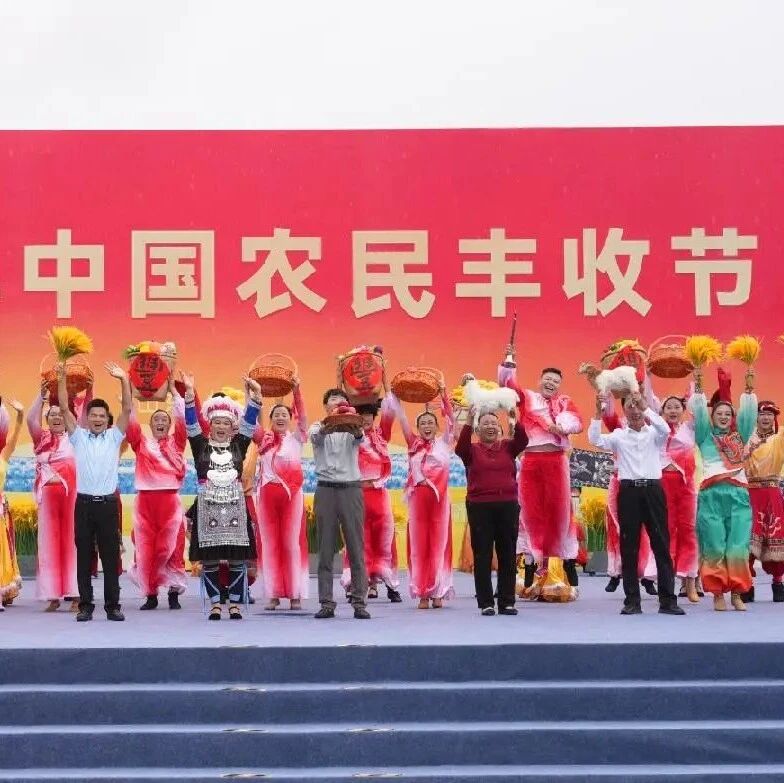
Core Viewpoint - The Harvest Festival serves not only as a celebration of agricultural abundance but also as a crucial opportunity to promote the integration of the entire agricultural industry chain, facilitate production and sales connections, and invigorate rural vitality through resource sharing and technological collaboration, ultimately aiding China's agriculture in achieving high-quality and sustainable development [2][3]. Agricultural Achievements - The 2024 grain production in China is projected to exceed 1.4 trillion jin, an increase of 74 billion jin compared to 2020, ensuring food security for 1.4 billion people [2]. - The per capita grain availability in China has reached 500 kg, achieving basic self-sufficiency in grains and absolute safety in staple food [2]. Industry Transformation - The concept of "harvest" has evolved beyond mere yield to encompass value-added production through high-quality seeds and deep processing, emphasizing a shift from scale-based growth to value-based development [3]. - The transformation reflects an increase in farmers' income and the resilience of the agricultural industry [3]. Seed Industry Innovations - The seed industry is undergoing a "seed revolution," with advancements in both plant and animal breeding, such as the domestically bred "Guangming No. 2" white feather chicken, which has broken the reliance on imported breeds [6][7]. - The "Guangming No. 2" chicken can reach a weight of 3 kg in 42 days, showcasing superior performance compared to imported varieties [7]. Deep Processing and Value Addition - Companies are focusing on deep processing to stabilize income and enhance the value of agricultural products, as seen with the Yantai Boshida Group's apple products [10]. - The comprehensive utilization of products, such as the processing of "Chinese First Pomelo" into juice and essential oils, has significantly increased the economic returns for farmers [11]. E-commerce and Modernization - The integration of e-commerce with agriculture is evident, with the national agricultural product online retail sales expected to exceed 630 billion yuan in 2024, reflecting a 15.8% year-on-year growth [12]. - The deep processing of agricultural products has transitioned from isolated efforts to collective development, with major agricultural provinces forming billion-level processing clusters [12]. Smart Agriculture - The introduction of modern agricultural machinery, such as the DJI T100 agricultural drone, demonstrates the potential for efficiency improvements, achieving up to 600 acres of spraying per day, which is 40 times more efficient than manual labor [14]. - Innovations like apple-picking robots and smart beehives are addressing labor shortages and enhancing productivity in agriculture [16][17]. Conclusion - The Harvest Festival has become a vital platform for showcasing the transformation and modernization of China's agriculture, emphasizing the importance of innovation, deep processing, and smart technology in driving the industry forward [4][13].
从丰收节看中国农业转型升级|丰收新图景
Jing Ji Guan Cha Wang· 2025-09-24 12:12
Core Insights - The 8th China Farmers' Harvest Festival highlights the significance of agricultural achievements during the "14th Five-Year Plan" period, showcasing a record grain production of 1.4 trillion jin in 2024, an increase of 74 billion jin from 2020, ensuring food security for 1.4 billion people [2][3] - The festival serves as a platform for promoting agricultural innovation, deep processing of products, and enhancing the integration of the agricultural industry chain, aiming for high-quality and sustainable development in Chinese agriculture [2][3] Agricultural Transformation - The concept of "harvest" has evolved beyond mere yield to encompass value-added processing, brand differentiation, and resource integration, reflecting a shift from scale-based growth to value-based development [3] - The festival acts as a window to showcase the transformation and upgrading of Chinese agriculture [3] Seed Industry Developments - Seeds are identified as the foundation of agriculture and national food security, with advancements in breeding technologies leading to the emergence of new, resilient varieties [4] - The shift from reliance on imported seeds to domestic innovation is crucial for enhancing the genetic diversity and market options in the Chinese pear industry [4] Livestock Breeding Innovations - The introduction of the "Guangming No. 2" white feather chicken marks a significant breakthrough in China's poultry breeding, moving from complete reliance on imports to domestic production [5] - The chicken exhibits superior growth performance and adaptability, contributing to the stability of the meat industry in China [5] High-Quality Beef Production - The development of the Gaoqing Black Cattle has filled a gap in the high-end beef market, with the potential for high returns for farmers through efficient processing and distribution [6] - The self-breeding of essential crop varieties has reached over 95% in China, ensuring that domestic seeds are primarily used for domestic food production [6] Agricultural Value Chain - Companies like Bosida are focusing on deep processing of agricultural products to stabilize prices and enhance farmer income, addressing challenges in traditional farming [7] - The integration of agriculture with e-commerce and cultural tourism is seen as a way to attract younger generations back to rural areas, combating rural aging [7] Product Diversification and Economic Impact - The comprehensive utilization of products like the "Chinese First Pomelo" has significantly increased its economic value, with annual production value exceeding 5.06 billion yuan [8] - The deep processing of roses has led to increased prices for farmers, enhancing their income by 15%-20% per acre [8] Agricultural Processing Growth - The agricultural processing sector is transitioning from isolated developments to clustered growth, with major provinces forming billion-yuan processing clusters [9] - The online retail of agricultural products is projected to exceed 630 billion yuan in 2024, indicating robust growth [9] Smart Agriculture Innovations - The introduction of modern agricultural machinery, such as the DJI T100 drone, demonstrates significant efficiency improvements in various farming scenarios [10] - Smart tools are designed to alleviate labor shortages and reduce costs in agriculture, enhancing productivity and operational efficiency [11] Digital Agriculture Advancements - The integration of digital technology in agriculture is transforming traditional practices, allowing for data-driven decision-making and improved management efficiency [12] - Smart beekeeping solutions enable better monitoring and management of bee colonies, significantly increasing labor efficiency [12]
从丰收节看中国农业转型升级
Jing Ji Guan Cha Wang· 2025-09-24 11:52
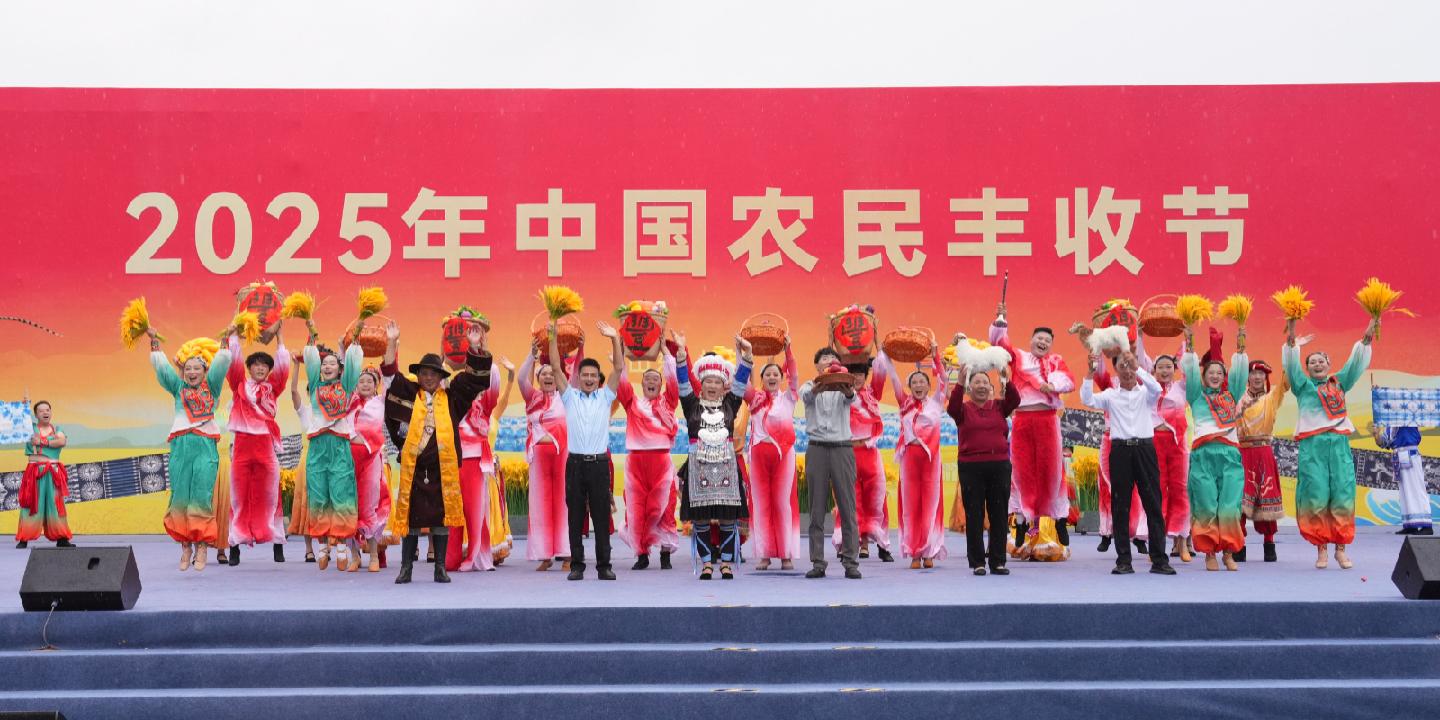
Core Insights - The article highlights the significance of the 8th China Farmers' Harvest Festival, emphasizing the theme of celebrating agricultural abundance and improving quality of life, marking a pivotal moment in China's agricultural development during the "14th Five-Year Plan" period [1][2] Agricultural Production and Security - China's grain production is projected to exceed 1.4 trillion jin (approximately 700 million tons) in 2024, an increase of 74 billion jin (approximately 37 million tons) compared to 2020, ensuring food security for 1.4 billion people [1] - The per capita grain availability in China has reached 500 kg, achieving basic self-sufficiency in grains and absolute safety in staple food supply [1] Agricultural Innovation and Value Addition - The festival serves as a platform for promoting agricultural innovation, with participants focusing on high-quality seeds, deep processing of agricultural products, and brand differentiation to enhance value and income for farmers [2] - The shift from quantity-based growth to value-based development in agriculture is emphasized, aiming to synchronize farmers' income with industry resilience [2] Seed Industry Developments - The seed industry is recognized as the foundation of agricultural security, with advancements in breeding technologies leading to the emergence of new varieties of fruits, such as the Huami pear, which showcases improved traits and disease resistance [4] - The introduction of the "Guangming No. 2" white feather chicken marks a significant breakthrough in China's poultry breeding, reducing reliance on imported breeds and enhancing domestic production capabilities [5][6] Agricultural Processing and Economic Impact - The deep processing of agricultural products is becoming essential for stabilizing farmers' incomes and addressing market volatility, with companies like Bosida focusing on value-added products such as apple slices and vinegar [8] - The total output value of the pomelo industry in Yuhuan City, Zhejiang Province, has surpassed 506 million yuan, significantly boosting local farmers' incomes [9] Digital and Smart Agriculture - The integration of smart agricultural equipment, such as the DJI T100 agricultural drone, is revolutionizing farming practices by increasing efficiency and reducing resource waste [11][12] - Innovations in beekeeping, such as smart beehives, allow for remote monitoring and management, significantly improving labor efficiency and reducing operational costs [13] Conclusion - The article underscores the transformative journey of China's agriculture towards high-quality, sustainable development through innovation, value addition, and the integration of technology, which collectively enhance productivity and farmer livelihoods [2][10]