数字农业

Search documents
勇于创新 服务群众
Xin Lang Cai Jing· 2026-02-15 17:59
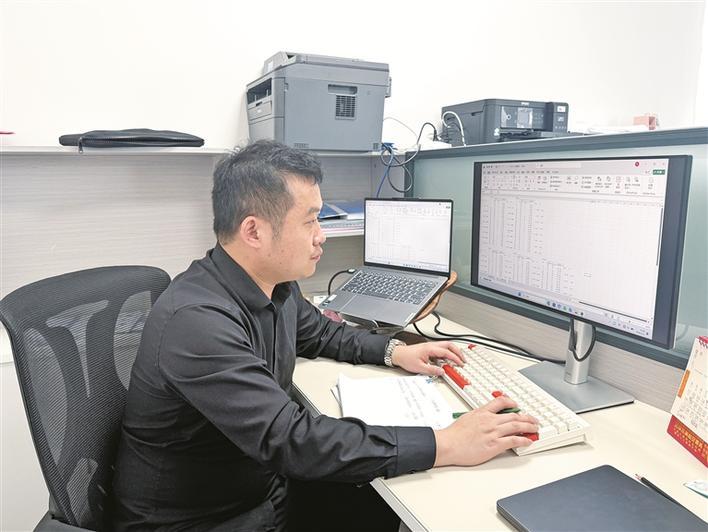
Core Viewpoint - The article highlights the innovative efforts in smart agriculture led by a research team at Shihezi University, focusing on the integration of technology and agricultural practices to enhance productivity and disease management in greenhouse farming [1][4]. Group 1: Research and Development - The research team is working on upgrading greenhouse hardware for automated management, aiming to provide precise and convenient management solutions for agricultural workers [1]. - The team has developed a horticultural crop quality safety decision cloud platform to promote sustainable production and precise crop protection [1][2]. - The research path includes understanding disease epidemiology, reviewing previous studies, identifying gaps, and designing experiments to build predictive models [2]. Group 2: Practical Applications - The team is focused on a project that aims to intelligently control the environment in greenhouses and prevent disease, addressing issues like rough environmental control and delayed disease warnings [4]. - They have created a greenhouse environment simulation model that integrates weather forecast data and greenhouse structural parameters to predict environmental changes and disease risks [4]. - The envisioned application allows users to input basic information about their greenhouse to receive daily environmental predictions and agricultural advice via a mobile app, making it a cost-effective solution [4]. Group 3: Educational Impact - The research leader emphasizes the importance of fostering independent thinking and execution skills among students, encouraging them to devise solutions to problems rather than relying solely on guidance [5]. - The goal is to see students confidently present their research findings at academic conferences, symbolizing the successful transmission of knowledge and ideas [5]. - The short-term plan includes implementing the disease warning system and smart management system in 2 to 3 production areas or demonstration gardens [5].

一亩田创始人邓锦宏:以数字农业为犁,深耕万亿乡村市场|2026商业新愿景
Jing Ji Guan Cha Wang· 2026-02-14 00:35
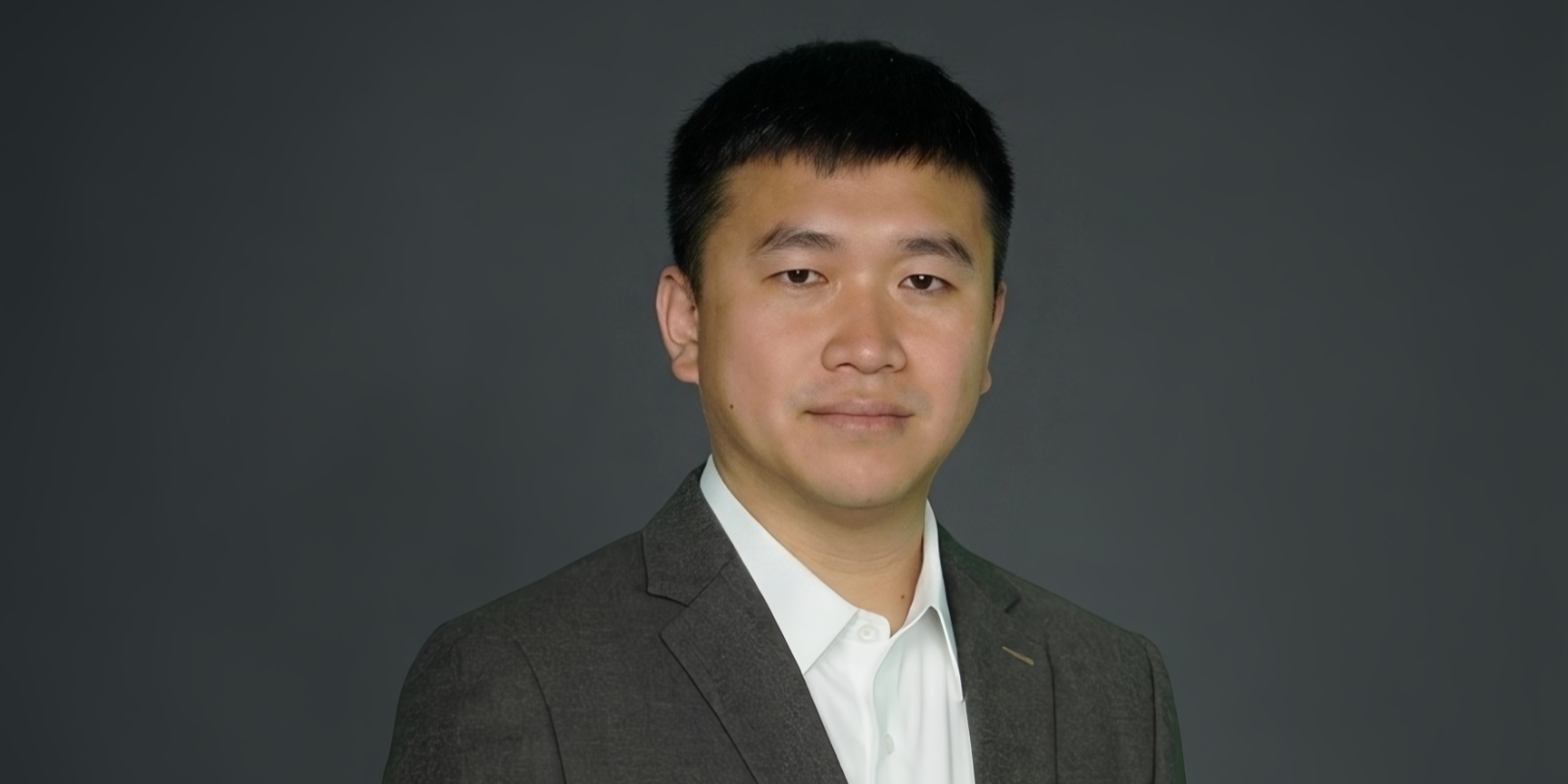
Core Insights - The company aims to become the first stock in China's agricultural full industry chain by 2025, emphasizing the importance of digital technology in serving rural areas and addressing farmers' challenges in selling products [2] - The transformation of agriculture through digitalization is not just a slogan but a reality, with the company focusing on ensuring farmers can sell their products at better prices and with stability [2][3] Digital Transformation - The company is implementing digital transformation across the agricultural full industry chain through two main business modules: Wo Zhong Tian and Wo Lai Cai, actively participating in farming operations and utilizing data systems for better crop selection [3] - Wo Lai Cai is establishing a chain network in rural areas to address the initial selling difficulties, emphasizing trust as the core competitive advantage [3] International Expansion - The year 2025 is projected to be a "digital year" for China's agricultural imports and exports, with the company experiencing rapid growth in international business, assisting domestic products in reaching global markets [4] - Plans are in place to expand planting bases in Southeast Asia, the Middle East, and Africa, focusing on tropical economic crops to meet global consumer demands [4] AI Integration - The company has introduced an AI dialogue robot, "Xiao Tian," to assist farmers with market information and sales connections, enhancing decision-making processes [5] - A comprehensive AI integration of the company's app is planned for 2026, aiming to automate the generation of standard SKUs and improve buyer connections [5] Future Development Goals - The company aims to deepen its presence in major production areas and become a nationwide chain of agricultural brokers, while also enhancing seed and agricultural supply services through partnerships with top research institutions [6] - The focus is on achieving high-quality development across the entire industry chain, ensuring sustainable practices and efficient food safety measures [6]
“海南菠萝第一村”又飘香
Xin Lang Cai Jing· 2026-02-10 16:59
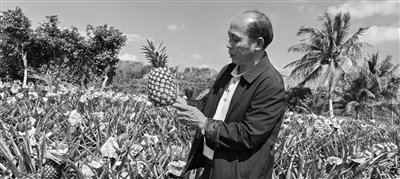
Core Viewpoint - The pineapple industry in Longgun Town, Hainan, is thriving, with significant advancements in cultivation techniques and market reach, leading to increased income for local farmers [2][3][4]. Group 1: Industry Development - Longgun Town has a pineapple planting area of 36,000 acres, with Shuipo Village accounting for 13,000 acres, including 8,000 acres of new pineapple varieties [3]. - The introduction of new pineapple varieties has led to a series of structural adjustments in the industry, promoting the "Shuipo Pineapple" brand and establishing a digital agriculture demonstration base [3][4]. - Longgun Town is recognized as the largest pineapple production base in Hainan, with its annual pineapple export accounting for two-thirds of the province's total [3]. Group 2: Economic Impact - The average annual income from pineapple cultivation in Shuipo Village exceeds 15,000 yuan per person, ranking among the top in Wanning City [2]. - Young returnees, including university graduates, are increasingly engaging in pineapple farming, contributing to local economic growth and innovation [3][4]. - The establishment of a complete industrial chain for pineapple, including planting, processing, and sales, has enhanced the added value of pineapple products [4]. Group 3: Technological Integration - The use of digital agriculture technology, supported by Alibaba Cloud, is being implemented to create a model for pineapple cultivation that can be replicated and promoted [4]. - E-commerce and live streaming are being utilized to enhance market reach and inject new vitality into traditional industries [4].
富邦科技:公司逐步形成了包括土壤检测评价、科学种植规划等在内的数字农业产品与服务
Zheng Quan Ri Bao Wang· 2026-02-04 03:49
Core Viewpoint - Fubon Technology (300387) is focusing on digital agriculture by integrating technology, data, and services to enhance agricultural productivity and efficiency [1] Group 1: Company Strategy - The company aims to drive its operations with technology, establishing a foundation in farmland, and centering its efforts on data [1] - Fubon Technology is developing a range of digital agriculture products and services, including soil testing and evaluation, scientific planting planning, intelligent drip irrigation decision-making, integrated water and fertilizer management, and online planting management [1] Group 2: Operational Goals - The company seeks to achieve standardized planting, standardized products, and brand-oriented operations [1] - The operational goals include improving quality, increasing production, reducing costs, and enhancing efficiency [1]

今年白云年花销售额有望突破7000万元
Guang Zhou Ri Bao· 2026-01-30 02:19
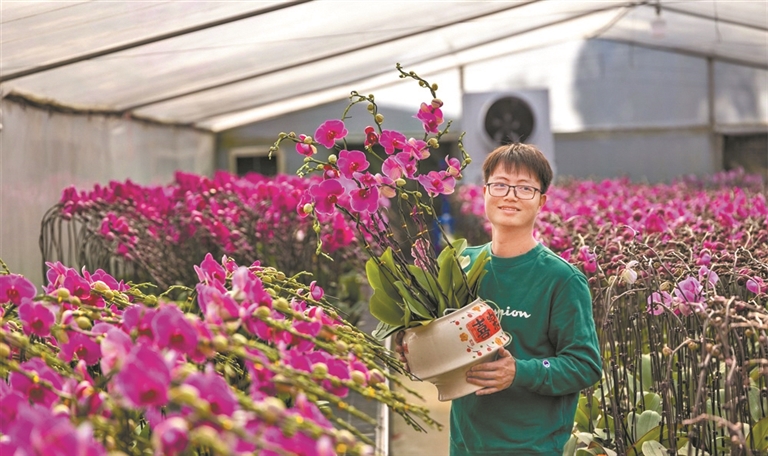
Core Viewpoint - The flower industry in Baiyun District of Guangzhou is a significant contributor to the city's annual flower market, with a projected production of 20 million pots for the 2026 Spring Festival, of which 6 million pots will come from Baiyun, accounting for 30% of the total [2]. Group 1: Industry Overview - Baiyun District is a traditional flower production area in Guangzhou, with a flower industry output value of approximately 470 million yuan in 2025, covering an area of about 12,000 acres [5]. - The district produced around 6.13 million stems of cut flowers and 30.1 million pots of potted plants in 2025, establishing itself as a core region for flower production and distribution in Guangzhou [5]. - Baiyun's flower sales reached a record high of 66 million yuan last year, with expectations to exceed 70 million yuan this year [5]. Group 2: Product Highlights - The main flower varieties in Baiyun include Phalaenopsis orchids, Shima peach blossoms, kumquats, and rose begonia, with over 100 cultivated varieties of Phalaenopsis orchids [5]. - The Shima peach blossom is known for its high yield and long flowering period, with a stable planting area of around 1,000 acres and an annual output exceeding 200,000 trees [5]. - Baiyun's kumquats include varieties like golden kumquat and four-season kumquat, which have high market recognition [5]. Group 3: Market Expansion - Baiyun's flower sales extend beyond the district to cover the entire Guangzhou area and cities in the Guangdong-Hong Kong-Macao Greater Bay Area, with exports to major cities like Shanghai and Beijing [6]. - The flower products, particularly Phalaenopsis orchids, are gaining popularity in overseas markets, especially in Southeast Asia, with kumquats receiving orders from Singapore for the first time this year [6]. Group 4: Industry Innovation - The Baiyun District has established a modern agricultural demonstration park for Phalaenopsis orchids, attracting over 30 enterprises and forming a complete industrial chain from research to sales [7]. - New sales models such as live streaming and new retail collaborations are becoming prevalent, with live streaming accounting for about 90% of sales for some companies [7]. - The "Guangzhou Flower Industry High-Quality Development Three-Year Action Plan (2024-2026)" aims to position Baiyun as a base for high-end ornamental plants and export bonsai, emphasizing the district's role in leading the flower industry towards high-quality development [7][8].
聚焦北大荒|八五四分公司:数字技术赋能备春耕
Sou Hu Cai Jing· 2026-01-28 07:28
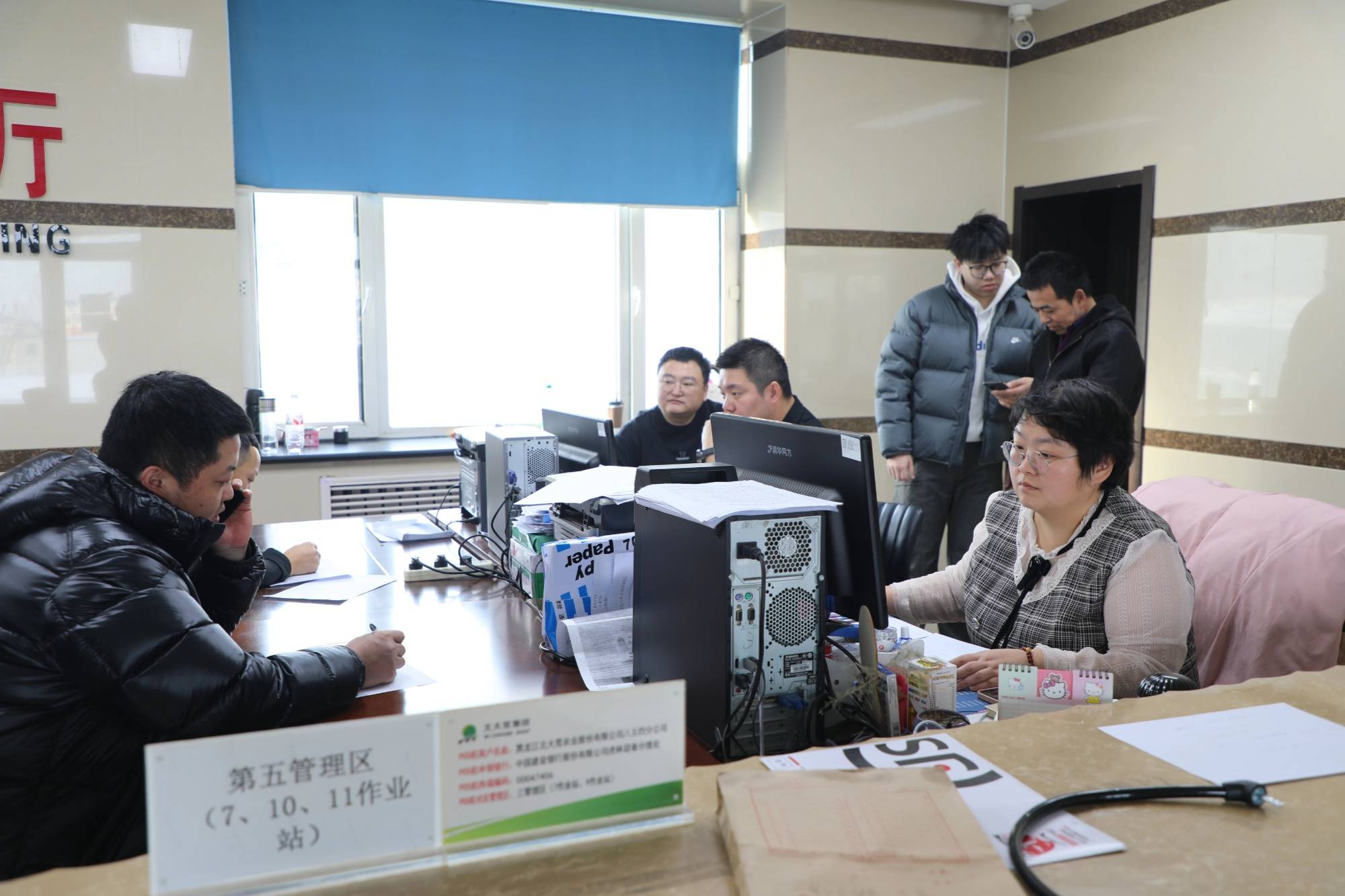
Core Viewpoint - The company has successfully implemented an online payment system for land lease fees, achieving over 95% collection in just 8 hours, with 99.89% of payments made online, setting a new record for efficiency in fee collection [1][3]. Group 1: Digital Transformation and Efficiency - The company is focusing on digitalization and information technology in agricultural management, promoting the use of the "Beidahuang Agricultural Service" APP for online fee collection, which enhances service delivery to farmers [3][4]. - A detailed work plan and standardized fee collection process were established in advance to ensure smooth and efficient operations, including multiple meetings to unify understanding and clarify responsibilities [3][4]. Group 2: Stakeholder Engagement and Communication - The company conducted grassroots meetings to explain the 2026 land lease plan, ensuring that farmers are informed and can participate in the process, thereby enhancing transparency and trust [4]. - Various communication methods, including WeChat groups and short videos, were utilized to educate farmers about the land lease policies and online payment methods, significantly increasing their willingness to pay [4][5]. Group 3: Support and Training - To address farmers' unfamiliarity with mobile software, dedicated personnel were assigned to provide one-on-one guidance at centralized payment locations, resulting in high acceptance and enthusiasm for the online payment method [5]. - The finance department maintained close communication with the IT company to monitor the online payment system's performance and address any issues promptly, ensuring a seamless payment process [5]. Group 4: Future Plans - The company plans to continue optimizing digital services and refine subsequent fee collection efforts to provide more efficient, warm, and precise services, contributing to orderly agricultural production and high-quality economic development [5].

天平道合(08403.HK)易主孙维并拟更名“德丰宿来”:数字文旅与农业赛道机遇浮现
Ge Long Hui· 2026-01-28 01:07
Core Viewpoint - The recent capital actions of Tianping Daohua (08403.HK) have attracted market attention, including a conditional cash offer and a change in controlling shareholder to Sun Wei and his associates, signaling a significant shift in the company's equity structure and a strong market expectation for its future transformation towards digital cultural tourism and digital agriculture [1][2][8] Group 1: Shareholder Structure and Confidence - The completion of the share transfer agreement has resulted in Sun Wei and CN BASE Limited collectively holding 54.63 million shares, representing 35.48% of the issued share capital, triggering a mandatory offer obligation under Hong Kong's Takeovers Code [2] - The offer price is set at HKD 0.50 per share, covering a total value of HKD 77 million based on 154 million shares, with the offer still in the acceptance period [2] - The retention of shares by former shareholders indicates their confidence in the new controlling shareholders and the company's future transformation [2] Group 2: Leadership and Industry Experience - Sun Wei, the new core figure, has extensive experience in the cultural tourism sector and agriculture, currently serving as the General Manager of Jiangsu Defeng Suklai Cultural Tourism Development Co., which enhances his capability in resource integration across these sectors [3] - His past achievements demonstrate a strong ability to optimize digital management of cultural tourism projects and integrate agricultural resources, aligning well with Tianping Daohua's existing business model [3] Group 3: Competitive Advantages and Business Model - The proposed name change to "Defeng Suklai Holdings" reflects the operational capabilities of the new controlling shareholder's core platform, which has established a unique FOEPC (Design, Financing, Operation, Procurement, Construction) model, potentially serving as a framework for the company's business transformation [4] - Defeng Suklai's competitive advantages include stable funding through various financial sources, a strong asset base, and a portfolio of well-known cultural tourism brands in Jiangsu [4][5] Group 4: Policy Support for Digital Transformation - The market's optimism regarding Tianping Daohua's transformation is rooted in its alignment with national policies supporting digital cultural tourism and agriculture, which are key areas of strategic focus for the government [6][7] - The "14th Five-Year Plan for Cultural and Tourism Development" emphasizes the digitalization of the sector, while the "Digital Agriculture and Rural Development Plan (2025-2030)" aims to enhance digital capabilities in agriculture, both of which align with the company's strategic direction [7] Group 5: Strategic Opportunities and Future Growth - The change in ownership and name signifies a new development phase for the company, presenting strategic opportunities to leverage the new shareholders' operational models and resource networks in the cultural tourism and agriculture sectors [8] - The integration and collaboration process is expected to diversify the company's business system and optimize its financial structure, enhancing overall competitiveness and sustainable growth potential [8]
独家丨从1个月裁员4000人到纳斯达克上市:一位85后农业创业者的15年
创业邦· 2026-01-27 11:53
Core Viewpoint - The article emphasizes the resilience and innovation of entrepreneurs in challenging industries, highlighting the journey of Yimudian, a company dedicated to serving farmers and addressing their needs in the agricultural sector [6][8]. Company Overview - Yimudian is described as a company that helps farmers sell agricultural products and also engages in farming itself, with plans to expand into providing fertilizers and daily necessities for farmers [4]. - Founded in 2011 by Deng Jinhong, Yimudian has evolved from a small team to a significant player in the agricultural internet space, aiming to bridge the gap between farmers and markets [5][15]. Business Development - The company faced significant challenges in its early years, including a major downturn before securing crucial financing and relocating to a new office [5]. - Yimudian's core business model focuses on providing information matching, online transactions, and market insights through its app, which has grown to serve over 60 million B-end users and offers more than 15,000 types of agricultural products [8][9]. Key Milestones - Yimudian experienced rapid growth, expanding from 7 employees to 4,500 within a year during the mobile internet boom, but later faced a significant workforce reduction to 300 as it refocused on its core information service business [10][20]. - The company successfully went public on NASDAQ in August 2025, with a market capitalization of approximately $320 million [11][51]. Strategic Initiatives - Yimudian has launched initiatives like "Wozhongtian" for direct farming and "Wolaicai" for agricultural product brokerage, aiming to enhance its service offerings and create a comprehensive agricultural ecosystem [33][45]. - The company is also focusing on data-driven farming practices, utilizing its proprietary big data system to optimize crop selection and management [36][42]. Future Plans - Yimudian aims to deepen its presence in the agricultural sector by expanding its services to cover the entire supply chain, including production, distribution, and consumer engagement [54][56]. - The company plans to leverage AI technology to enhance its app functionalities and improve the efficiency of farmer and buyer interactions [57]. Partnerships and Collaborations - Yimudian has formed strategic partnerships with agricultural enterprises to enhance its farming capabilities and expand its operational scale, targeting significant acreage for cultivation [33][40]. - The company is also exploring international expansion opportunities, aiming to replicate its successful model in Southeast Asia and Africa [58].
牛系列-一体化企业如何看奶价-看消费
2026-01-26 02:49
Summary of Key Points from Conference Call Records Industry Overview - The Chinese dairy industry is undergoing structural adjustments, with a projected elimination of approximately 200,000 cows in 2026 due to insufficient heifer supply, accelerating industry reshuffling [1][11] - The scale of dairy farms is increasing, although full costs remain in loss, the loss margin is narrowing, and group enterprises are enhancing their self-controlled milk source ratio [1][2] Core Insights and Arguments - The cash cost for large-scale dairy farms is around 2.8 RMB per kg, while the total cost is approximately 3.3-3.4 RMB per kg, including depreciation costs of about 0.6 RMB [2] - The loss rate among dairy farms has decreased from 95% to 65%, indicating an improvement in financial health [2] - Group enterprises like Mengniu and Yili have achieved a self-controlled milk source ratio of 50%-70%, focusing on cost reduction to gain market advantage [3] - The rapid expansion of deep processing enterprises in Ningxia is notable, although it poses risks of blind expansion [4][5] Market Trends - The Chinese dairy product market is experiencing structural changes driven by consumer preferences for high cost-performance products, with exports becoming increasingly competitive [1][6] - The average price of bulk fresh milk is expected to fluctuate between 3.2-3.6 RMB per kg over the next two years [6] - The demand for deep processing is pushing farms to focus on milk components, with major companies enhancing protein content to meet the needs of specialized foods and health products [1][7][9] Competitive Landscape - China's dairy industry is facing competition from international food companies like Nestlé and Danone, which are experiencing profit erosion due to China's decreasing production costs [14][23] - The average production cost of milk in China has dropped to around 1.7 RMB per kg, with some regions like Ningxia achieving costs as low as 1.5 RMB per kg, enhancing international competitiveness [13][16] Future Development and Strategies - To enhance competitiveness, Chinese dairy farms should focus on continuous cost reduction, improving breeding technologies, and embracing digital agriculture [15][18] - The solid milk sector is growing rapidly, with a projected annual growth rate of about 20%, driven by increasing consumer demand for high-quality dairy products [19][20] - The export of Chinese dairy products is supported by favorable policies and strong industrial capabilities, with significant potential in Southeast Asia and the Middle East markets [21][22] Additional Insights - The upcoming consumption peak around the Spring Festival may have varying impacts on milk prices across regions, with a general expectation of a smoother price cycle due to changing consumer perceptions [12] - The meat cattle industry is expected to experience a bullish cycle in the next two to three years due to tight supply and increasing domestic demand [24]
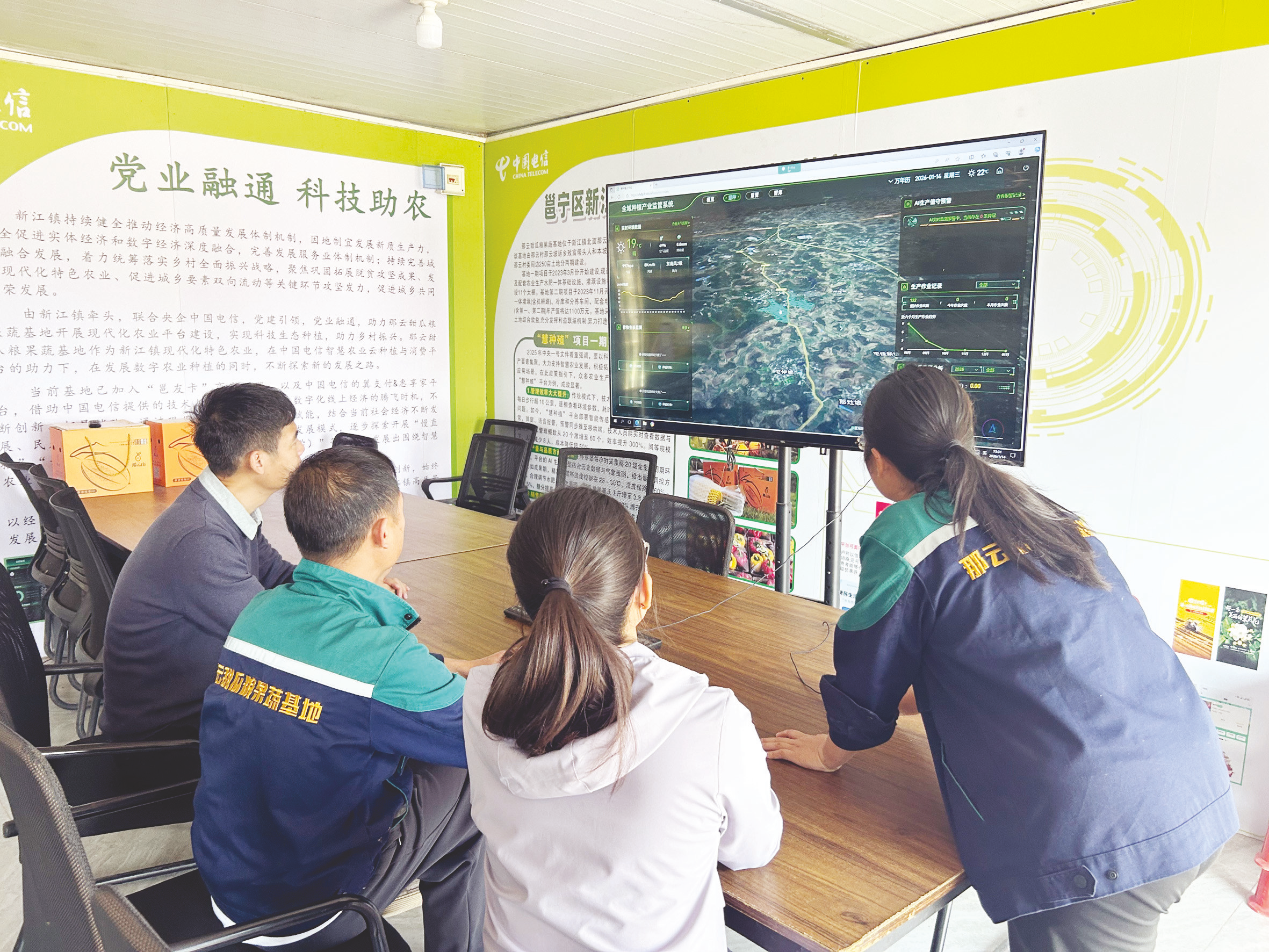
一颗甜瓜甜了家乡 一片大棚富了乡亲
Xin Lang Cai Jing· 2026-01-20 21:55
Core Insights - The article highlights the integration of technology in modern agriculture to promote rural revitalization and economic development in Xinjiang Town, focusing on the "Nayun Sweet Melon" brand and its impact on local farmers [2][4][6]. Group 1: Economic Development - Xinjiang Town is enhancing its economic development mechanisms to promote high-quality growth, focusing on the integration of the real economy and digital economy [2]. - The "Nayun Sweet Melon" base, supported by China Telecom, is a key player in modern agricultural platform construction, utilizing smart agriculture technologies [2][4]. Group 2: Agricultural Innovation - The base employs advanced technology for monitoring and managing greenhouse conditions, leading to improved crop yields and quality [5]. - The first batch of sweet melons was successfully marketed in May 2023, achieving significant economic benefits and expanding its market reach to regions like the Yangtze River Delta and Pearl River Delta [5]. Group 3: Community Impact - The initiative has encouraged local farmers to participate in the cooperative, with over a hundred households benefiting from various income channels, including land transfer and cooperative farming [5]. - The village's collective economic income surpassed 500,000 yuan for the first time in 2023, demonstrating the positive impact of the agricultural project on the local economy [5]. Group 4: Future Prospects - The brand aims to enhance its recognition and explore agritourism opportunities to further increase local economic benefits and support community wealth [6].