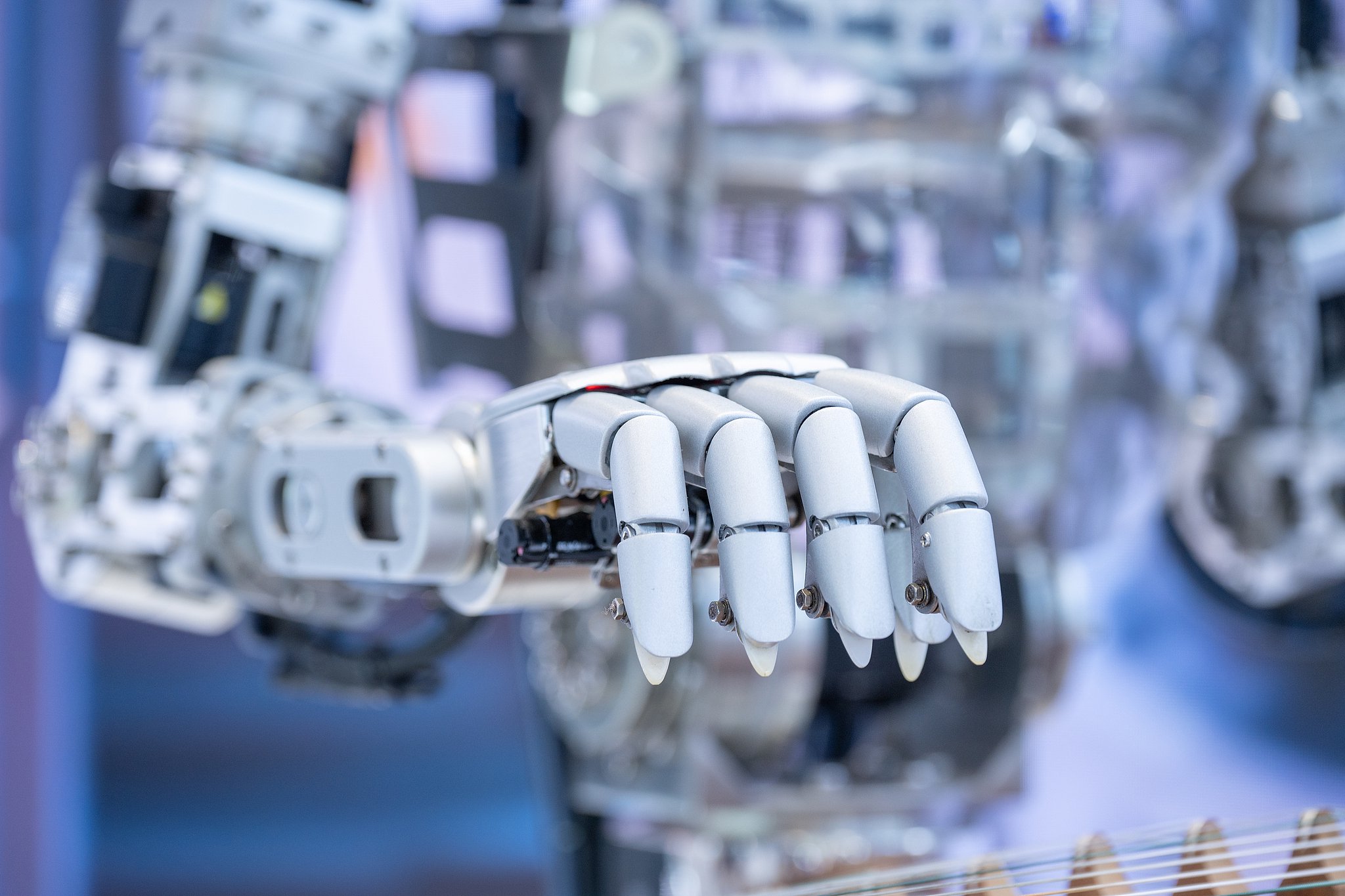
广汽人形机器人

Search documents
原生龙头缺位,广州具身智能拿什么追赶?
Xin Lang Cai Jing· 2026-02-28 02:15
Core Insights - The city of Guangzhou is focusing on the development of the embodied intelligence industry as a core priority for its high-quality development strategy, aiming to create new pillar industries by 2035 [1] - The competition in embodied intelligence is fundamentally a struggle for local leadership, with cities like Beijing, Shanghai, Shenzhen, and Hangzhou already establishing strong local players [1] - Guangzhou faces challenges due to the absence of leading local enterprises in the embodied intelligence sector, which hinders its industrial advancement [1] Group 1: Industry Development - Guangzhou's humanoid robot sector is characterized by a "cross-industry collaboration" with automotive companies, exemplified by the establishment of a humanoid robot production base in Tianhe District in partnership with XPeng Motors [3] - XPeng Motors has been developing humanoid robots for seven years, with plans to achieve mass production of its advanced humanoid robot, IRON, by the end of 2026 [3] - GAC Group also plans to begin small-scale production of humanoid robots this year, targeting sales of 300 to 500 units, with expectations to reach over 1,000 units in the following year [4] Group 2: Technological Integration - GAC Group's humanoid robot project benefits from synergies with its automotive technology, with 40%-50% of the supply chain overlapping with electric vehicles [7] - The industry is experiencing rapid advancements due to improvements in key components such as motors, algorithms, and battery technology, with significant cost reductions of approximately 15% annually [8][7] - Companies like Jiechuang Intelligent are focusing on niche markets, such as security applications for their AI-powered robotic products [12] Group 3: Market Positioning - Guangzhou is not establishing a first-mover advantage in the general embodied intelligence market, leading to a strategic focus on vertical markets to differentiate itself [9] - GAC Group's humanoid robots are designed to address specific industry applications, particularly in security, with plans to expand into automotive aftermarket and healthcare sectors in the future [9] - Jiechuang Intelligent is also targeting vertical segments, emphasizing tailored solutions for specific clients rather than broad applications [12] Group 4: Investment and Infrastructure - GAC Group is investing 200 million yuan to develop a headquarters for its robotics projects, which will support the establishment of a new company focused on embodied intelligence [14] - The city of Guangzhou aims to become a leader in "scene innovation," with various districts opening up application scenarios for AI and robotics [14] - The Super Robot Research Institute is collaborating with local universities to foster innovation in robotics, having already incubated several related companies [18] Group 5: Certification and Standards - The certification industry is evolving to support the robotics sector, with companies like China Automotive Testing Technology & Research Center providing essential testing and certification services for new technologies [19] - The establishment of testing platforms for industrial robots and humanoid robots is expected to enhance quality and safety standards in the industry [19]


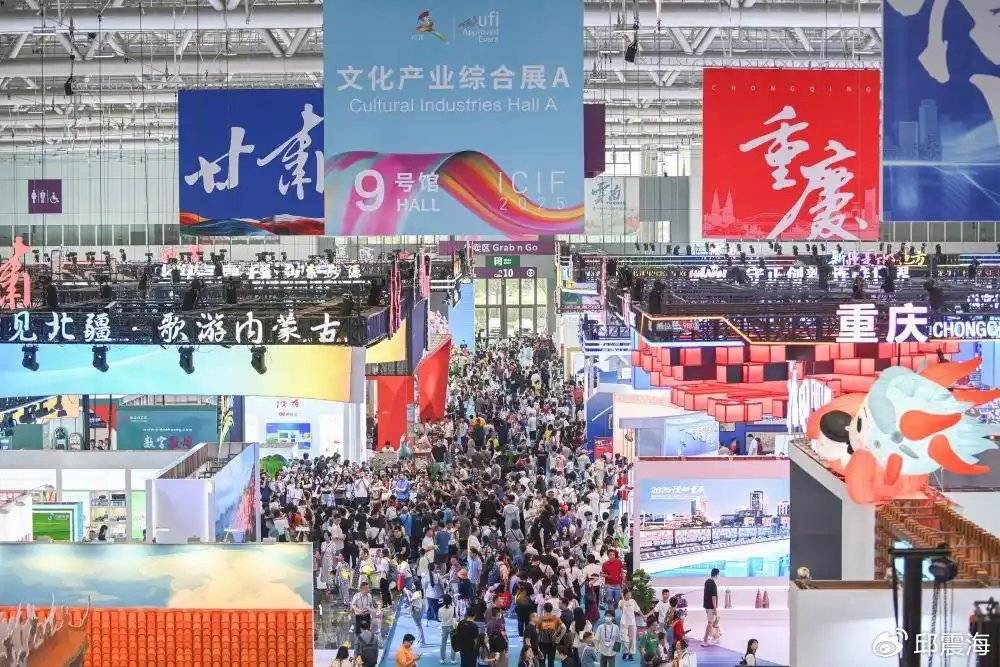
87条文化政策+AI黑科技=?文博会为中华文化森林播种
Sou Hu Cai Jing· 2025-05-28 09:47
Group 1 - The first humanoid robot fighting competition, "Zhongqing Robot Free Fighting Championship: Mecha King," will be held in Shenzhen in December 2025, marking a significant event in the robotics industry [1][3] - In 2024, Guangdong's industrial robot production is expected to reach 240,000 units, accounting for over 40% of the national total, indicating strong growth in the robotics sector [3] - Shenzhen aims to cultivate 10 robot companies valued over 10 billion yuan by 2027, positioning the competition as a platform for technology validation and talent development [3] Group 2 - The 21st China (Shenzhen) International Cultural Industries Fair attracted over 35,000 attendees from 110 countries, highlighting the global interest in cultural and technological integration [3] - The fair featured a newly established artificial intelligence exhibition area, showcasing the intersection of AI and cultural industries [3] - A forum on "AI Technology Empowering Cultural Development and Innovation" emphasized China's commitment to technological advancement and innovation in cultural sectors [5] Group 3 - AI is rapidly reshaping various industries, with tools and technologies enhancing productivity and creativity for individual cultural creators [7] - The integration of AI in cultural preservation, such as the digital restoration of Dunhuang's Mogao Caves, demonstrates the potential of technology in enhancing cultural experiences [5][7] - Policies announced at the fair aim to promote high-quality development in key cultural sectors, including film, performing arts, and animation, indicating a strategic focus on cultural industry growth [8]