
废风机叶片

Search documents
百万吨“新三样”退役潮将至
21世纪经济报道· 2025-11-30 10:18
Core Viewpoint - The article discusses the upcoming wave of waste from new energy equipment in China, including electric vehicle batteries, solar panels, and wind turbine blades, and highlights the country's increasing recycling capabilities for these materials [1][3]. Group 1: Waste Generation and Recycling Capacity - By 2030, it is estimated that China will generate approximately 1.5 to 2 million tons of waste solar panels, 500,000 tons of waste wind turbine blades, and 1 million tons of waste batteries [1][3]. - The recycling capacity for waste solar panels and wind turbine blades is around 2 million tons and 1 million tons, respectively, while the capacity for waste batteries from 148 qualified recycling enterprises reaches 2.5 million tons [3]. - The recycling capabilities exceed the actual waste generation, leading to situations where recycling companies often face underutilization [3]. Group 2: Regulatory and Financial Support - Since January 1, 2022, the "Four Machines and One Brain" fund has been suspended, but the Ministry of Finance continues to allocate special funds to support compliant dismantling enterprises through a reward and subsidy approach [3][5]. - Over 90 dismantling enterprises are supported by special financial funds, with a standardized dismantling capacity of approximately 180 million units [5]. - The Ministry of Ecology and Environment plans to enhance environmental supervision and promote the standardized recycling and dismantling of waste electrical and electronic products [6]. Group 3: New Pollutants Management - The Ministry of Ecology and Environment is actively working on new pollutants management, having approved the registration of 802 new chemical substances since 2022 [10][11]. - A comprehensive survey covering 122 industries and over 70,000 enterprises has identified more than 1,000 chemical substances with potential high environmental risks [9]. - The Ministry aims to establish a nationwide monitoring network for new pollutants and strengthen risk warning systems [11].

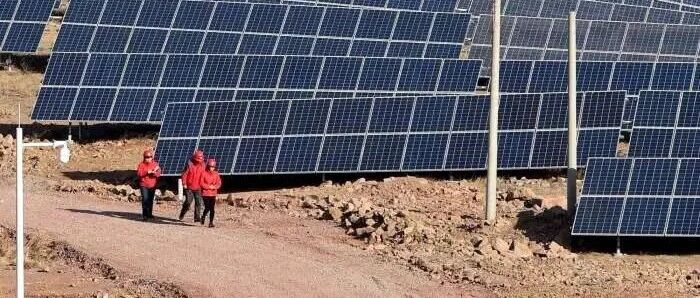
百万吨“新三样”退役潮将至 监管:回收企业仍“吃不饱”
2 1 Shi Ji Jing Ji Bao Dao· 2025-11-28 23:29
Core Insights - The upcoming retirement of new energy equipment, including waste power batteries, solar panels, and wind turbine blades, is projected to create significant waste management challenges in China by 2030, with estimates of 1.5 to 2 million tons of waste solar panels, 500,000 tons of waste wind turbine blades, and 1 million tons of waste power batteries [1][2][3] Waste Management and Recycling Capacity - China's recycling capacity for waste solar panels and wind turbine blades is approximately 2 million tons and 1 million tons, respectively, which exceeds the projected retirement volumes, leading to a situation where recycling companies often face underutilization [2][3] - The Ministry of Ecology and Environment (MEE) has reported that there are 148 qualified companies for comprehensive utilization of waste power batteries, with a total recycling capacity of 2.5 million tons [2] Regulatory Framework and Support - Since the suspension of the "Four Machines and One Brain" fund on January 1, 2022, the Ministry of Finance has continued to allocate special funds to support compliant dismantling enterprises through a reward and subsidy mechanism [2][3] - The MEE is enhancing regulatory oversight of dismantling enterprises to prevent environmental pollution and promote resource recovery [5][8] New Pollutant Management Initiatives - The MEE is actively implementing the New Pollutant Governance Action Plan, which includes the establishment of a coordination mechanism among 15 national departments and the formation of an expert committee to address new pollutants [6][7] - As of 2022, the MEE has approved the registration of 802 new chemical substances and has proposed 1,365 environmental risk control measures to mitigate the generation of new pollutants [7][9] Future Directions - The MEE plans to strengthen environmental supervision and enhance the regulatory framework for new pollutants, including the establishment of a national monitoring network and a collaborative governance structure [8][9] - The ministry aims to improve the capacity for managing new pollutants and ensure the effective implementation of environmental risk assessments and control measures [9]
百万吨“新三样” 退役潮将至 监管:回收企业仍“吃不饱”
2 1 Shi Ji Jing Ji Bao Dao· 2025-11-28 12:21
Core Viewpoint - The upcoming retirement of clean energy equipment in China, including electric vehicle batteries, solar panels, and wind turbine blades, poses significant waste management challenges, but the recycling capabilities have improved, exceeding the actual retirement volumes, leading to a situation where recycling companies often face underutilization [1][2]. Group 1: Waste Management and Recycling Capabilities - By 2030, it is projected that China will face approximately 150-200 million tons of waste solar panels, 50 million tons of waste wind turbine blades, and 100 million tons of waste batteries [1][2]. - The recycling capacity for waste solar panels and wind turbine blades is estimated at 200 million tons and 100 million tons, respectively, while the capacity for waste batteries is around 250 million tons, indicating that recycling capabilities surpass the expected waste generation [2][3]. - The Ministry of Ecology and Environment has implemented financial incentives to support compliant dismantling enterprises, ensuring orderly recycling and dismantling processes [2][3]. Group 2: Regulatory Framework and Environmental Protection - The Ministry of Ecology and Environment is enhancing regulatory oversight of dismantling enterprises to prevent environmental pollution and promote resource recovery [3][5]. - There are over 1,900 qualified enterprises for the recycling and dismantling of scrapped vehicles, with a projected recovery of 8.46 million vehicles in 2024, marking a 64% increase year-on-year [4]. - The Ministry is also revising pollution control technical standards for various waste categories, including waste lithium-ion batteries and waste photovoltaic equipment, to strengthen environmental management [4][8]. Group 3: New Pollutants Management - The Ministry of Ecology and Environment is actively working on new pollutants management, having approved the registration of 802 new chemical substances since 2022, and is implementing risk control measures for 14 categories of key pollutants [6][7]. - A comprehensive survey of chemical substances across 122 industries has identified over 1,000 substances with potential high environmental risks, which will be targeted for future assessments [7][9]. - The Ministry is establishing a national monitoring network for new pollutants and enhancing the regulatory framework to address the challenges posed by these substances [8][9].