
强基计划

Search documents
详解·2026年普通高校招生 促进入学机会公平 为不同禀赋学生提供多元通道
Yang Shi Wang· 2026-01-22 08:17
Core Viewpoint - The Ministry of Education has announced plans for the 2026 college admissions process, emphasizing the need for macro-control of enrollment plans and the optimization of academic programs to better align with talent cultivation needs. Group 1: Enrollment and Program Adjustments - The 2026 national college entrance examination will take place on June 7 and 8 [1] - Universities are required to focus on basic, emerging, interdisciplinary, and urgently needed academic disciplines, accelerating the iteration and optimization of existing programs [3] - Beijing Forestry University has discontinued seven programs and plans to discontinue one more, while introducing programs in national park management and artificial intelligence to meet national demands [5] - China University of Mining and Technology is reducing enrollment in programs with three consecutive years of employment warnings and prioritizing enrollment in interdisciplinary fields [7] Group 2: Equity in Access to Education - The Ministry of Education continues to implement plans to support enrollment collaboration in central and western regions, promoting equitable access to education [10] - The focus is on narrowing the educational resource gap between regions, allowing more students from central and western areas to access quality higher education [12] Group 3: Optimization of Admission Processes - The Ministry requires strict control over the number and scale of broad category admissions, optimizing professional group settings to enhance student satisfaction with their major choices [14][16] - The notification emphasizes the need for a reasonable size of professional groups and grouping related majors together to better meet student needs [16] Group 4: Examination and Curriculum Reform - The notification calls for further reform of examination content and formats to better assess students' key abilities and academic qualities [19] - There is a push for a comprehensive reform of the college entrance examination system, including better guidance for students in selecting subjects based on national development needs and personal strengths [19] Group 5: Special Admissions and Vocational Education - The Ministry aims to strengthen and improve special admissions processes and standardize vocational education entrance examinations [21][28] - There is a focus on providing diverse pathways for students with different talents and potentials, exploring more effective evaluation methods [24] Group 6: Information Sharing and Support Systems - The notification emphasizes the need for improved examination and admissions service systems, including the establishment of a "sunshine volunteer" information service system [32] - Local education authorities are encouraged to enhance their volunteer reporting support systems to provide comprehensive services to students [34] Group 7: Security and Integrity in Admissions - The Ministry stresses the importance of a robust examination and admissions security management system to ensure fairness and integrity in the college entrance examination process [29][35] - There is a call for strict monitoring of examination environments and the regulation of examination training institutions to maintain order in the admissions process [35]

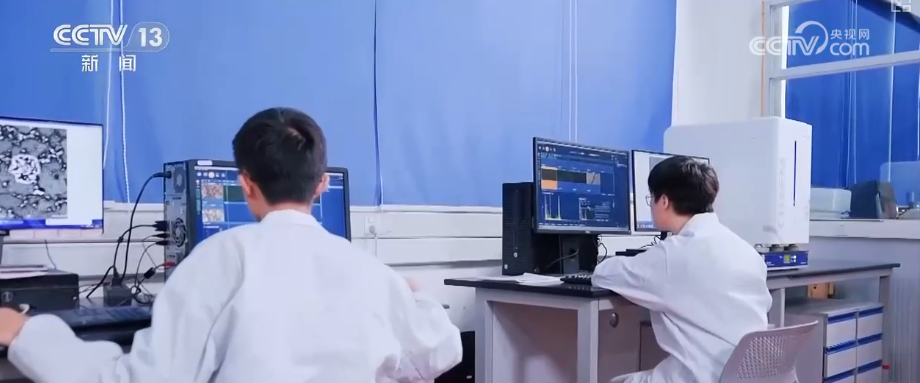
2025强基计划再升级!@高考生 报考千万别错过这个环节
Yang Shi Wang· 2025-06-19 03:09
Group 1 - The "Strong Foundation Plan" is a pilot program initiated by the Ministry of Education in China since 2020, focusing on the recruitment of students in fundamental disciplines and key strategic fields, currently implemented in 39 "Double First-Class" universities [1][8] - The program aims to recruit two types of students: those with excellent college entrance examination scores and those who excel in fundamental subjects, particularly those who have won national awards in mathematics, physics, chemistry, biology, and information science competitions [8][10] - This year, several universities have adjusted their selection processes, with some conducting entrance exams before the release of college entrance examination scores, allowing more students to participate [4][6] Group 2 - The selection process for the "Strong Foundation Plan" includes written exams, interviews, and physical tests, with an emphasis on understanding the chosen field of study and its alignment with national strategies [7][12] - New admission criteria have been introduced by various universities, such as setting a national qualification line based on written exam subjects to better identify students with potential in specific fields [9][10] - The program has expanded to include new high-tech and cutting-edge fields, with universities adding specialized programs in areas like artificial intelligence, new energy, and marine science to meet national strategic needs [13][14][18] Group 3 - The "Strong Foundation Plan" has seen an increase in the number of students participating in entrance exams, with some universities reporting significant increases in applicants due to changes in the selection process [6][10] - Universities are advising students to avoid unnecessary training programs and focus on understanding their chosen fields, as the interviews primarily assess foundational knowledge and research interest [12][17] - The program is increasingly emphasizing interdisciplinary studies, with new majors being introduced that combine various scientific fields to foster innovative talent [18]
名校之约|西安交通大学:2025新增航空发动机与智能科学方向 打造AI+教育新高地
Yang Shi Wang· 2025-06-10 10:41
Core Viewpoint - Xi'an Jiaotong University (XJTU) is a prestigious institution with a rich history and a strong commitment to cultivating top talent, emphasizing its comprehensive educational approach and innovative programs in response to national strategic needs [1][2]. Group 1: Historical Background and Institutional Strength - Founded in 1896, XJTU has evolved into a comprehensive research university with a focus on engineering and technology, recognized as a key national university and a member of the C9 League [1]. - The university has 17 disciplines ranked in the top 1% globally, with engineering ranked 9th worldwide [1]. Group 2: Talent Development Programs - XJTU has established a matrix for cultivating top talent, including programs like the "Zhu Feng Plan" and "Qian Xuesen Class," which are research-oriented and have high domestic and international advancement rates [3]. - The university plans to introduce new majors in intelligent science and gas turbine and aviation engine engineering in 2025, reflecting its commitment to meeting national strategic demands [5]. Group 3: AI Integration in Education - XJTU is a pioneer in integrating artificial intelligence into education, having established dedicated research institutes and developed numerous AI-enhanced courses [4][6]. - The university has launched a comprehensive AI professional system and has developed smart classrooms and digital resources to support innovative teaching methods [6][7]. Group 4: International Collaboration and Global Outreach - XJTU has formed the Silk Road University Alliance, involving 207 universities from 45 countries, promoting international cooperation and educational exchange [8][9]. - The university has established partnerships with over 300 institutions worldwide, facilitating joint programs and fostering a global academic environment [9]. Group 5: Student Support and Financial Aid - XJTU offers flexible major transfer options and a comprehensive financial aid system, with nearly 90 million yuan allocated for student support in 2024 [10]. - Approximately 35.91% of undergraduate students receive scholarships, highlighting the university's commitment to supporting its students financially [10]. Group 6: Vision and Future Aspirations - XJTU encourages students to embrace challenges and emphasizes the importance of perseverance and personal growth during their academic journey [11]. - The university aims to leverage its strengths in AI and research to create a collaborative talent development system that aligns with global educational trends [11].