录音设备

Search documents
从头到脚戴满AI设备,治好你的健康焦虑丨36氪直击CES
36氪· 2026-01-10 09:06
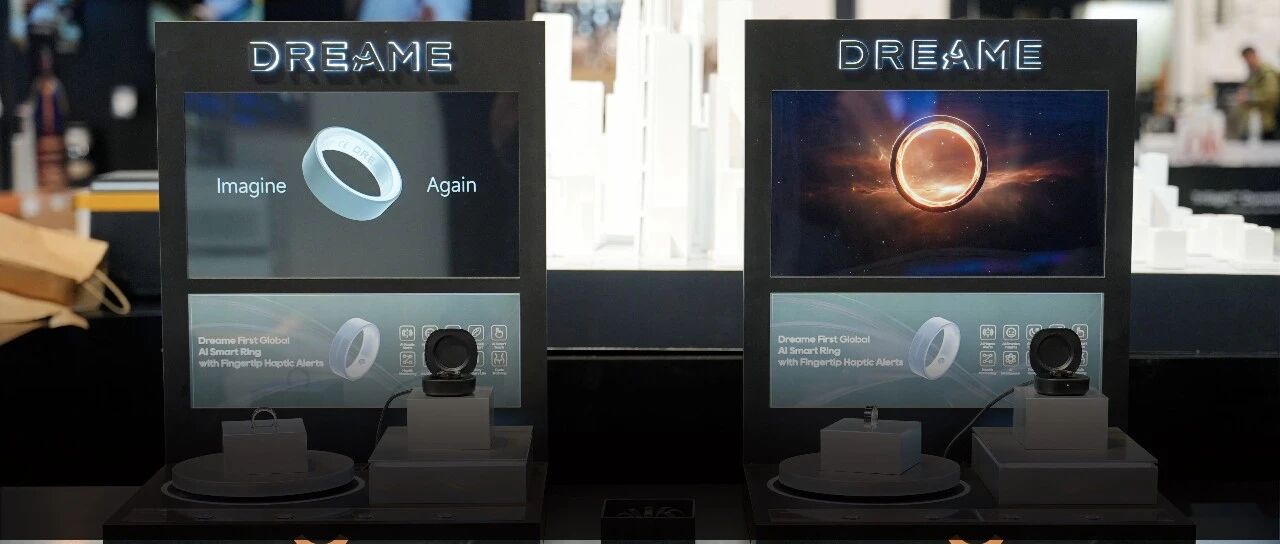
Core Insights - The hardware industry is experiencing intense competition, with many companies showcasing ambitious products at CES, indicating a near-boiling point in market activity [4][5]. - Wearable devices are increasingly focusing on health monitoring, with advancements allowing for more sophisticated metrics like ECG reports and blood pressure readings [5][10]. - The market for smart rings is gaining traction, with companies like Oura achieving significant valuations and sales, prompting new entrants to explore this niche [10][12]. Wearable Devices - Health monitoring has become a primary theme for wearable devices, evolving from basic metrics to comprehensive health reports [5][8]. - Companies are innovating in the smart ring segment, integrating features like heart rate and blood oxygen monitoring, with some products capable of generating ECG reports [10][14]. - The trend is shifting towards proactive health management, with devices designed to intervene in user behavior based on real-time data [14]. AI Glasses and Differentiation - The year 2025 is anticipated to be a pivotal moment for AI glasses, with major manufacturers entering the market and seeking differentiation [16][17]. - Companies are exploring specific use cases for AI glasses, combining functionalities like sports recording and real-time data display [18][20]. - The introduction of eSIM technology in AR glasses is seen as a crucial step towards making these devices independent and comparable to smartphones [23][24]. Recording Devices - The recording device market is also evolving, with companies like Gyges Labs and Plaud innovating by creating smaller, more versatile recording hardware [25]. - The competition in the recording device sector is intensifying, as companies strive to differentiate their products despite initial market advantages [25].

A股异动丨消费电子全线大涨,OpenAI据报已与立讯精密和歌尔股份接触生产智能设备
Ge Long Hui A P P· 2025-09-22 03:45
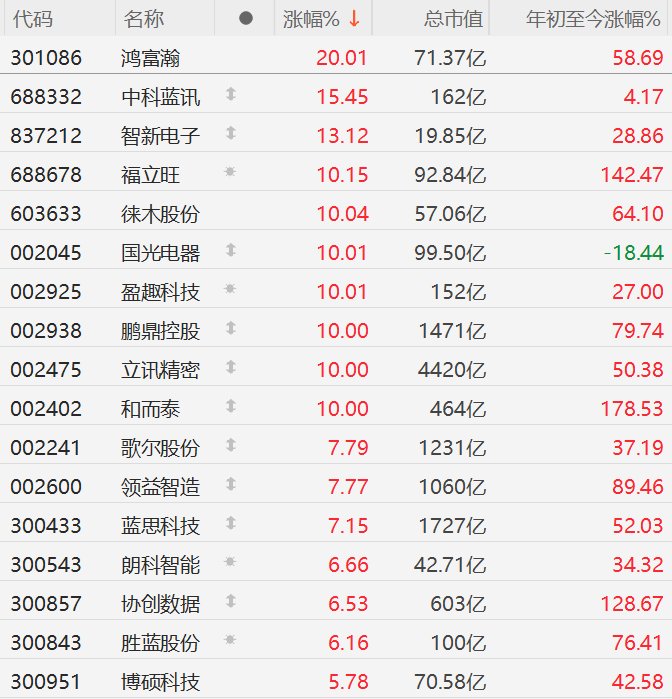
Group 1 - The A-share market saw a significant rise in consumer electronics stocks, with notable gains including 20% limit up for Hongfuhang and over 15% for Zhongke Lanyun [1] - OpenAI has reached an agreement with Luxshare Precision, an Apple device assembler, to jointly produce future OpenAI devices, with at least one assembly contract secured [1] - OpenAI is considering products such as smart glasses, recording devices, and pin-type wearables, aiming to launch the first batch by the end of 2026 or early 2027 [1] Group 2 - The stock performance of various companies in the consumer electronics sector includes: - Luxshare Precision (10% increase, market cap of 442 billion) - GoerTek (7.79% increase, market cap of 1,231 billion) - Zhongke Lanyun (15.45% increase, market cap of 16.2 billion) [2] - Year-to-date performance shows significant increases for several companies, with Luxshare Precision up 50.38% and GoerTek up 37.19% [2] - The overall market sentiment is positive, indicated by the MACD golden cross signal formation [2]


突发!最火爆板块生变?
Ge Long Hui· 2025-09-20 06:06
Group 1: AI Industry Developments - OpenAI has partnered with Luxshare Precision to produce future OpenAI devices, marking a significant move into consumer hardware [3] - OpenAI is also in talks with GoerTek for component supply, aiming to launch products like smart glasses and wearable devices by late 2026 or early 2027 [3] - This collaboration is seen as a critical step in OpenAI's strategy to integrate software and hardware, potentially establishing a new industry standard for "AI-native" devices [3] Group 2: Oracle's Cloud Computing Agreements - Oracle is negotiating a multi-year cloud computing agreement worth approximately $20 billion with Meta to provide the necessary computing power for AI model training and deployment [7] - Following this, Oracle's stock rose by 4%, with a year-to-date increase of 85% [7] - Oracle has previously signed a $300 billion computing power deal with OpenAI, indicating its growing role as a key supplier in AI infrastructure [8] Group 3: Japanese Central Bank's ETF Reduction Plan - The Bank of Japan has announced a plan to gradually sell off its ETF holdings at a rate of approximately 3.3 trillion yen per year, marking the first specific plan for ETF disposal [9] - As of March this year, the Bank of Japan held ETFs valued at around 37 trillion yen, with a market value exceeding 74 trillion yen [10] - The governor of the Bank of Japan stated that the ETF sale could take over 100 years at the current pace, but the plan allows for flexibility in response to market fluctuations [10]