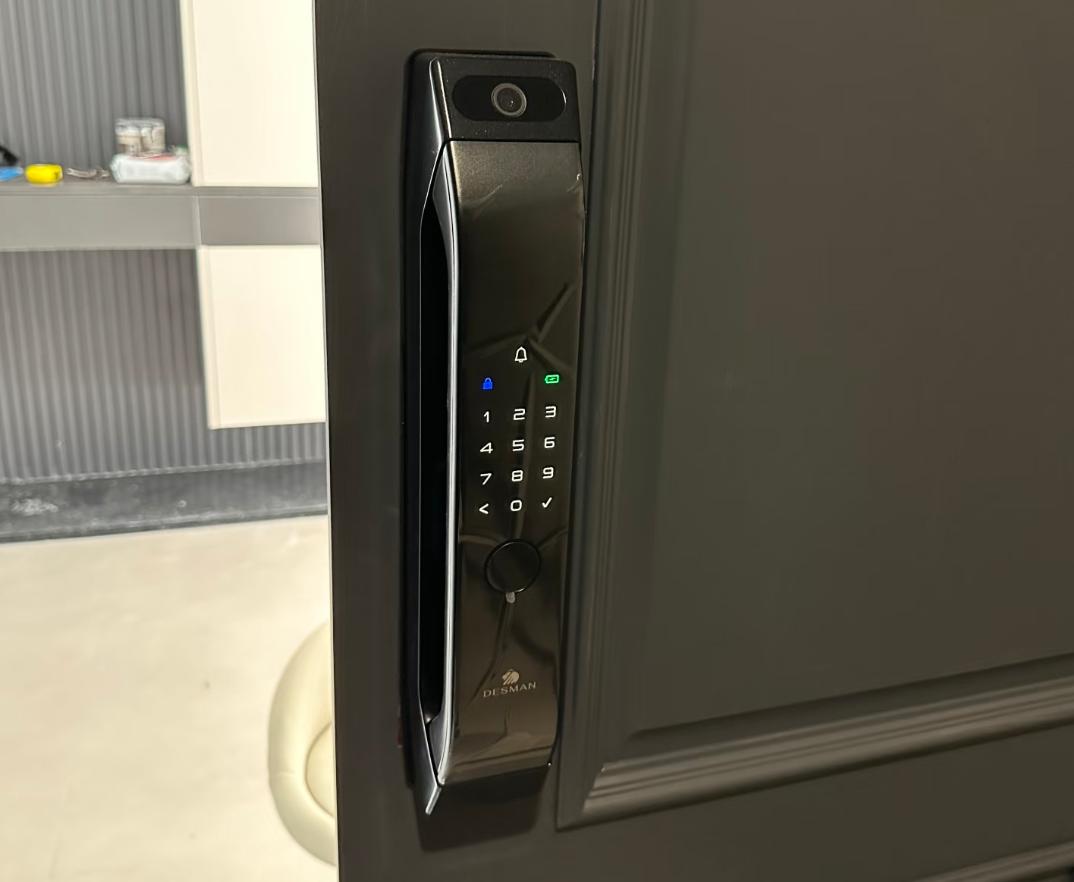
德施曼麒麟R9

Search documents
智启新局质领未来——全国制锁行业第三十二次信息交流会在杭州隆重召开
Sou Hu Cai Jing· 2026-01-22 04:50
Core Insights - The conference focused on the theme "Intelligent Initiation of New Situations and Quality Leadership of the Future," highlighting the integration of digital economy and smart home industries, particularly in the smart lock sector [1][5][49]. Group 1: Industry Challenges and Opportunities - The smart lock industry is experiencing robust growth driven by new and replacement demand, but it faces challenges such as severe competition, product quality inconsistency, and inadequate after-sales service [5][9]. - The industry is urged to move towards high-quality development, emphasizing innovation, product quality, and safety as core competitive advantages [5][49]. Group 2: Market Trends and Consumer Insights - The market penetration of smart locks in China remains low, indicating significant potential for new user acquisition [11]. - The 2025 market research report indicates a positive outlook for the smart lock industry, with increasing upstream shipment volumes and clearer supply chain dynamics [9]. Group 3: Technological Innovations - Companies are integrating AI technology into smart locks to enhance user experience and security, with products like the MiyaAI smart lock series showcasing advanced interaction capabilities [16][18]. - Innovations such as the LockinAuraCharge technology by Luokai aim to address power supply issues, enabling wireless charging and continuous operation of smart locks [24]. Group 4: Standardization and Industry Collaboration - The launch of the "Smart Door Group Standard" aims to establish a unified framework for the industry, promoting standardized development and high-quality growth [35]. - The conference emphasized the importance of collaboration among government, associations, and enterprises to foster a healthy and sustainable industry ecosystem [49]. Group 5: Recognition and Awards - The conference recognized leading brands in the smart lock industry, awarding titles such as "China Smart Lock Leading Brand" and "Consumer Preferred Brand" to companies like Deshman and Kaidishi [37][43]. - The event also highlighted high-end products and best-selling smart locks, reinforcing the importance of quality and consumer trust in the market [39][41].

曾被吐槽“鸡肋”的AI智能锁,快被年轻人玩坏了
创业邦· 2026-01-12 10:19
Core Viewpoint - The smart lock industry has evolved significantly over the past decade, transitioning from basic electronic locks to advanced AI-driven solutions that enhance security and convenience, with a projected market growth from $2.77 billion in 2024 to $8.1 billion by 2030 [5][7]. Market Overview - The smart lock market in China is experiencing rapid growth, with a penetration rate exceeding 40% in first-tier cities by 2025 [5]. - The global smart door lock market is expected to reach $27.7 billion in 2024 and grow to $81 billion by 2030, indicating a robust demand for smart locking solutions [7]. Industry Dynamics - Major tech companies like Xiaomi, Huawei, and Haier are heavily investing in the smart lock sector, leading to intense competition and a "red ocean" market environment [7][12]. - The number of smart lock brands in China surged from 600 in 2015 to over 3,500 by mid-2018, highlighting the industry's explosive growth [19]. Technological Advancements - The evolution of smart locks has been driven by advancements in AI, biometrics, and IoT technologies, transforming locks from passive security devices to proactive smart solutions [21]. - New features such as 3D facial recognition and palm vein identification are becoming standard in high-end models, addressing previous limitations of fingerprint recognition [34][38]. Consumer Experience - The shift from basic functionality to enhanced user experience is evident, with smart locks now integrating with home automation systems to create a seamless living environment [26][32]. - Companies are focusing on user-friendly features, such as visitor interaction capabilities and automated home settings upon unlocking [30][32]. Challenges and Concerns - Despite advancements, the reliability of smart locks remains a concern, with reports of malfunction leading to security breaches and user dissatisfaction [40][42]. - Data privacy issues are also critical, as many smart locks collect sensitive user information, raising concerns about potential data breaches if not properly secured [44]. Conclusion - The smart lock industry is at a pivotal point, where the focus is not only on technological innovation but also on ensuring security and user trust. The ultimate goal is to provide a reliable solution that allows users to feel safe and secure in their homes [46].



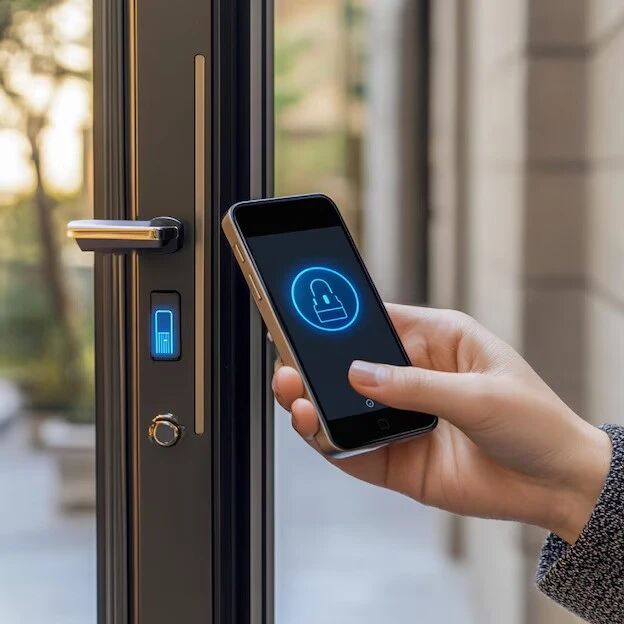
曾被吐槽“智障”的AI智能锁,快被年轻人玩坏了
3 6 Ke· 2026-01-04 09:29
Group 1 - The core idea of the article is the transformation of smart locks from being criticized as "artificial intelligence disabilities" to becoming essential components of smart home ecosystems, driven by technological advancements and consumer demand for convenience and security [36] - The smart lock market in China is experiencing significant growth, with a penetration rate of over 40% in first-tier cities by 2025, and the global smart door lock market is projected to reach $2.77 billion in 2024, growing to $8.1 billion by 2030 [3][10] - Major companies like Xiaomi, Huawei, and Haier are heavily investing in the smart lock sector, leading to intense competition and a "red ocean" market environment [3][14] Group 2 - The evolution of smart locks has led to advanced features such as AI capabilities, biometric recognition, and seamless integration with other smart home devices, enhancing user experience [5][15] - The first batch of smart lock users is entering a 5-7 year replacement cycle, creating a dual opportunity for both replacement and new market penetration [14] - Smart locks are becoming the "first entry point" in smart homes, with companies like Huawei positioning their products as integral to their broader smart home ecosystems [15][17] Group 3 - The article highlights the importance of security and reliability in smart locks, noting that despite advancements, there have been incidents of malfunction and security breaches, raising consumer concerns [29][31] - Companies are focusing on improving biometric recognition technologies, such as palm vein recognition, to address issues with traditional fingerprint locks and enhance security [24][28] - Data privacy is a significant concern, as many smart locks store sensitive user information, and inadequate data encryption could lead to privacy breaches [34]