德昂酸茶

Search documents
讲好“一带一路”故事 共绘美好生活画卷 ——2025“一带一路”媒体合作论坛联合采访成果扫描
Ren Min Ri Bao· 2026-02-04 22:01
Group 1: Economic Development and Opportunities - The transformation of Niulian Village into a model for rural revitalization through agricultural, cultural, and tourism integration is highlighted, showcasing local entrepreneurship and community engagement [1] - Yunnan's flower industry is a significant contributor to the economy, with the Dou Nan flower trading center projected to exceed 15.4 billion stems and 13.4 billion yuan in transaction value by 2025, maintaining its position as the largest in the country for over 20 years [2] - The development of the Yunnan ham industry, particularly in Xuanwei, is notable, with a projected production of 71,000 tons and a value of 12 billion yuan by 2025, driven by brand building and consumer preference [2] Group 2: Environmental Protection and Tourism - The ecological restoration efforts around Erhai Lake have led to improved water quality and biodiversity, with 100% of major inflow rivers meeting quality standards and significant land restoration initiatives [4] - The establishment of the Erhai Index reflects the ongoing commitment to environmental governance, achieving a score of 92.8 in the first half of 2025, indicating effective management of water resources [5] - The development of tourism in Dali, particularly around Erhai Lake, has been enhanced by the construction of ecological corridors, attracting visitors and boosting local businesses [3][4] Group 3: Cultural Heritage and Community Engagement - The rich cultural heritage of the Dehong region is showcased through its diverse ethnic exhibits, emphasizing the importance of cultural preservation and community identity [6] - The promotion of traditional practices, such as the production of sour tea by the De'ang ethnic group, is linked to economic development and cultural exchange, with plans for expanding tea cultivation supported by local financial institutions [7] - The preservation of the Tunpu culture in Guizhou, with its unique architectural style and historical significance, is being leveraged for cultural tourism, enhancing community engagement and economic opportunities [10][12]
云南德昂族的“一日三盅”为何能留下远方游客?
Guan Cha Zhe Wang· 2026-01-26 10:36
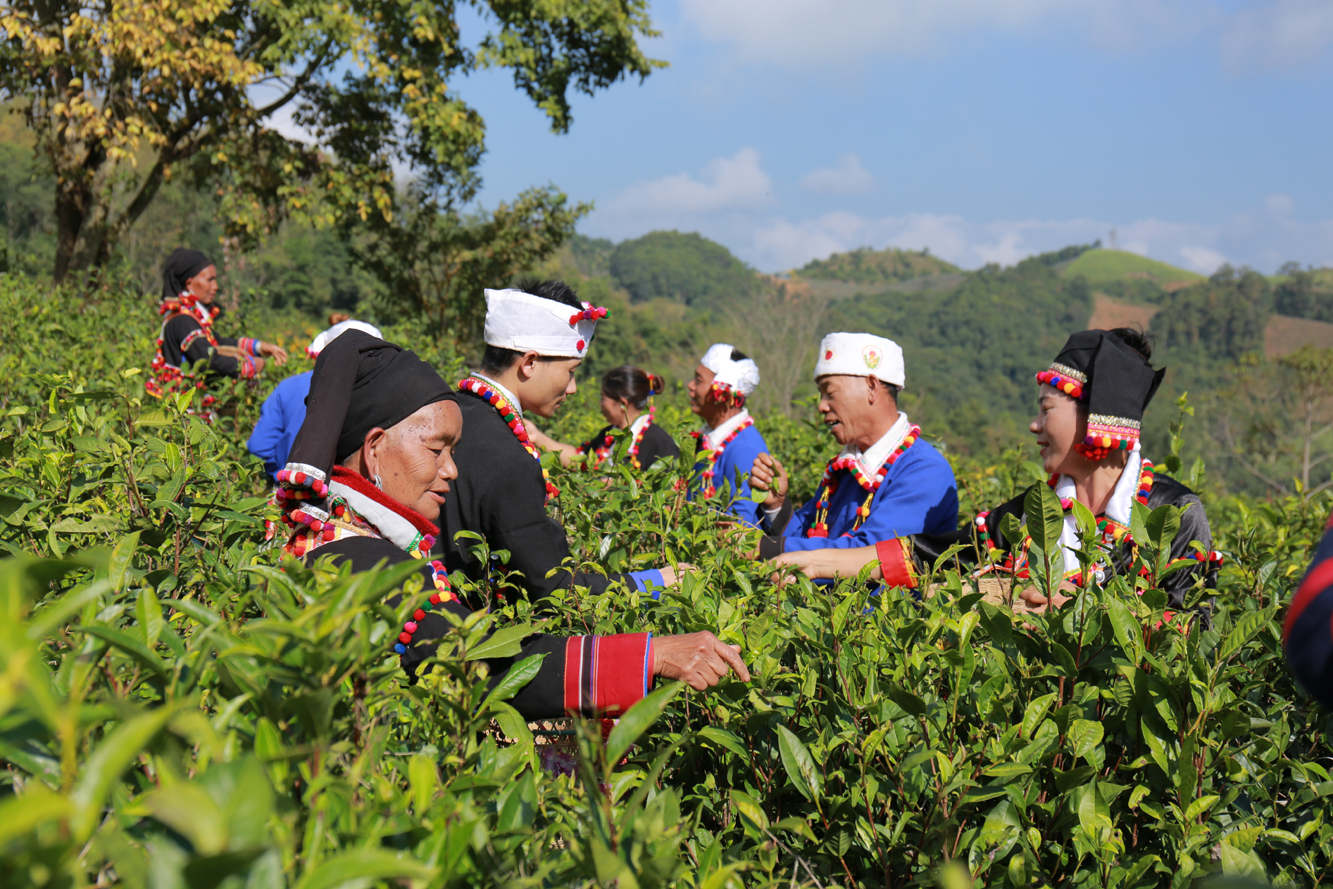
Core Insights - The unique production technique of De'ang sour tea has transcended ordinary beverages, becoming a significant cultural tourism attraction in Yunnan's Dehong Prefecture, providing a window into China's diverse ethnic cultures for both domestic and international tourists [1][2] Group 1: Cultural and Tourism Integration - De'ang sour tea offers an unparalleled cultural immersion experience for travelers eager to explore China's ethnic diversity, with ancient tea gardens and traditional tea-making techniques enhancing the cultural narrative [2] - The local government has successfully integrated sour tea production with tourism, creating a full-chain experience for visitors that includes tea picking, processing, tasting, and consumption [4][5] - The De'ang sour tea is recognized as a "living fossil" of the De'ang ethnic culture, embodying cultural identity and the memory of multi-ethnic integration in western Yunnan [5][9] Group 2: Economic Impact and Growth - By the end of 2025, the tea cultivation area in Dehong is projected to reach 363,300 acres, with an annual production of 554,000 kilograms of De'ang sour tea, reflecting a 12.5% year-on-year growth and an estimated output value of 240 million yuan, accounting for 25.3% of the local economy [5] - The integration of sour tea and tourism has created direct employment opportunities and economic benefits, enhancing local cultural value recognition and increasing the region's cultural and industrial influence [6][14] - In the first eleven months of 2025, Dehong received 118,400 inbound tourists, achieving a tourism expenditure of 935 million yuan, both showing an 8.03% year-on-year increase [11] Group 3: Heritage and Innovation - The De'ang sour tea production technique was included in the national intangible cultural heritage list in 2021 and later recognized by UNESCO, leading to a significant increase in tourism activities and visitor diversity [9][10] - The local industry has evolved from a single tea beverage to a multi-category cultural and creative product matrix, including various tea-related items that attract ongoing visitor engagement [10] - The sustainable development model of "promoting tea through tourism" has been established, emphasizing the importance of cultural heritage while driving economic growth [6][14] Group 4: Future Directions - The future development of De'ang sour tea tourism should focus on integrating traditional and modern lifestyles, particularly appealing to younger consumers through innovative product offerings and experiences [15] - There is potential for further exploration of cultural elements in product design, packaging, and consumption rituals, transforming De'ang sour tea from a protected heritage into a sought-after resource [15][16]