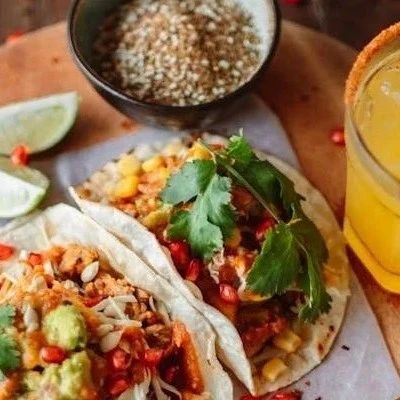
意大利火腿

Search documents
南京“秋糖季”,千万流量激活百亿经济
Xin Hua Ri Bao· 2025-10-21 23:02
Core Insights - The 113th National Sugar and Wine Products Trade Fair took place from September 20 to October 20, featuring 20 million square meters of exhibition space and participation from 4,027 domestic and international companies, showcasing over 300,000 innovative products, including 30,000 first-time releases [1][2] - The event generated direct economic benefits amounting to 10.6816 billion yuan, with over 10 million participants attending more than 260 activities throughout the month [1][4] - The fair highlighted the transformation of Nanjing into a partner city, emphasizing its cultural richness and economic vitality, which attracted significant participation from various sectors [2][3] Industry Highlights - The fair served as a platform for the launch of new products and industry innovations, with a focus on health foods and specialty agricultural products, showcasing the latest technological advancements across the food production and consumption chain [1][2] - Nanjing's strategic location and vibrant consumer atmosphere positioned it as a prime venue for trade fairs, with 25% of exhibitors coming from the Yangtze River Delta region [3] - The event included a unique "exhibition province linkage" initiative, creating a 5,000 square meter investment promotion area to facilitate trade discussions and promote domestic products abroad [3] Event Activities - The "Autumn Sugar Season" was launched alongside the trade fair, featuring a series of 7 key thematic activities, over 70 well-known dining brands, and more than 700 consumer engagement points across the city [4][5] - The city organized various cultural and promotional activities to enhance consumer engagement, including interactive campaigns that attracted over 600 million participants to local businesses [5]
一年大卖100亿的萨莉亚,为啥越便宜反而越挣钱?
创业家· 2025-07-22 10:01
Core Viewpoint - Sally's has managed to grow and expand rapidly in a challenging consumer environment by offering affordable yet quality dining options, akin to the "Uniqlo" of the restaurant industry [1][3]. Group 1: Pricing Strategy - From the 1990s to 2020, the price of baked rice decreased from ¥30 to ¥18, and Italian ham dropped from ¥36 to ¥18, showcasing a significant reduction in menu prices [2]. - Despite lower prices, Sally's has increased its net profit to 8.1 billion yen in 2024, a 58% year-on-year growth, with annual customer traffic reaching 200 million [3]. Group 2: Product Quality and Localization - The concept of "quality" at Sally's refers to being a value-for-money restaurant rather than gourmet dining, offering dishes that are enjoyable but not overly rich or small in portion [4][5]. - The company adapts its menu to local tastes, such as introducing spicy pasta dishes unique to China [7]. Group 3: Supply Chain and Cost Control - Sally's maintains control over its supply chain by producing its own ingredients, such as lettuce, corn, and rice, ensuring quality and cost efficiency [8]. - Innovations like the "Sally's No. 18" lettuce allow for more servings per head of lettuce, and strategic farming practices have reduced rice costs by 5,000 yen per bag [9]. - The integration of logistics, cold chain transport, and central kitchens minimizes logistics costs and reduces the need for extensive kitchen staff training [9][10]. Group 4: Operational Efficiency - The company has streamlined operations, reducing the preparation time for opening a store from one hour to 45 minutes, saving significant costs across its numerous locations [11]. - Instead of using traditional KPI metrics, Sally's employs a flexible reward system that encourages employees to focus on beneficial operational practices [12]. Group 5: Lessons for Other Companies - Key takeaways for Chinese companies from Sally's success include the importance of extreme cost-performance ratios, effective offline store strategies, and high execution efficiency to maintain low prices [13].