成渝文旅一卡通

Search documents
门票做减法 消费做乘法
Ren Min Ri Bao· 2026-02-24 05:55
Group 1 - The core viewpoint of the articles highlights the shift in the cultural tourism industry from "selling tickets" to "selling experiences," as evidenced by the success of the Beijing-Tianjin-Hebei tourism scenic area joint ticket model, which has generated over 300 million yuan in direct and indirect consumption from the sale of more than 80,000 tickets in just over six months [1] - The "joint ticket model" breaks down the "invisible barriers" that have historically limited effective demand, as high ticket prices have deterred tourists from exploring multiple attractions. The joint ticket, priced at 298 yuan, offers access to over 200 scenic spots valued at nearly 10,000 yuan, allowing unlimited visits throughout the year, thus stimulating local and surrounding tourism markets [1] - The model also facilitates a significant increase in secondary consumption at scenic spots, as the reduced emphasis on ticket prices allows tourists to allocate more budget towards dining, accommodation, and cultural products, thereby extending the industry chain and benefiting various sectors [1] Group 2 - The "joint ticket model" is gaining recognition nationwide as a solution for regional integration and consumption upgrades, with the State Council supporting the implementation of this model across different regions. For instance, Shandong has introduced a "high-speed rail tour of Qilu," bundling train tickets with scenic area tickets, enabling tourists to visit multiple cities at a low cost within five days [2] - The Chengdu-Chongqing region has launched the "Chengdu-Chongqing Cultural Tourism Card," covering over 60 scenic spots and cultural venues, allowing tourists to experience both cities affordably and promoting the integration of the dual-city living circle [2] - As the Beijing-Tianjin-Hebei coordinated development deepens, there are expectations that the joint ticket model will evolve to support more functions, transforming the "flow" of tourism into "incremental" economic growth for the region [2]
半年销售超8万张带动3亿消费,这张景区联票为啥火
Xin Lang Cai Jing· 2026-02-23 03:12
Core Insights - The article highlights the shift in the cultural tourism industry from "selling tickets" to "selling experiences," exemplified by the success of the Beijing-Tianjin-Hebei tourism joint ticketing model, which has sold over 80,000 tickets and generated 300 million yuan in direct and indirect consumption [1][2]. Group 1: Supply-Side Insights - The "joint ticket model" eliminates the "invisible barriers" that have historically restricted effective demand, as high ticket prices have deterred tourists from exploring multiple attractions [1]. - The joint ticket, priced at 298 yuan, offers access to over 200 attractions valued at nearly 10,000 yuan, allowing unlimited visits throughout the year, thus stimulating local and surrounding tourism markets [1]. Group 2: Demand-Side Insights - The joint ticket model has demonstrated a significant "multiplier effect" on consumption, leading to increased secondary spending in areas such as dining, accommodation, and cultural products, thereby extending the industry chain [1]. - As ticket prices become less of a financial burden, tourists are more likely to allocate additional budgets for other experiences, contributing to a thriving ecosystem where one industry’s growth benefits many others [1]. Group 3: National Trends - The joint ticket model is gaining traction nationwide as a consensus for promoting regional integration and consumption upgrades, supported by government initiatives [2]. - Various regions are implementing tailored strategies, such as Shandong's "High-speed Rail Tour of Qilu" and the Chengdu-Chongqing "Cultural Tourism Card," to enhance travel affordability and encourage cross-regional tourism [2]. - The expectation is that as the Beijing-Tianjin-Hebei collaboration deepens, the joint ticketing system will evolve to support broader economic growth in the region [2].
门票做减法,消费做乘法
Xin Lang Cai Jing· 2026-02-23 02:13
Group 1 - The core viewpoint of the articles highlights the shift in the cultural tourism industry from "selling tickets" to "selling experiences," as evidenced by the success of the Beijing-Tianjin-Hebei tourism scenic area joint ticketing model, which has generated over 300 million yuan in direct and indirect consumption from the sale of more than 80,000 tickets in just over six months [1][2] - The "joint ticket model" has effectively broken down the "invisible barriers" that have historically limited demand, as high ticket prices have deterred tourists from exploring multiple attractions. The joint ticket, priced at 298 yuan, offers access to over 200 scenic spots valued at nearly 10,000 yuan, allowing for unlimited visits throughout the year, thus stimulating local and surrounding tourism markets [1] - The model has also led to a significant increase in secondary consumption at these attractions, as the reduced emphasis on ticket prices allows tourists to allocate more budget towards dining, accommodation, and cultural products, thereby extending the industry chain and benefiting various sectors [1] Group 2 - The joint ticket model is gaining recognition nationwide as a solution for regional integration and consumption upgrades, with the State Council supporting the implementation of such models across different regions. For instance, Shandong has introduced a "high-speed rail tour" that bundles train tickets with scenic area admissions, enabling tourists to visit multiple cities at a low cost within five days [2] - The Chengdu-Chongqing region has launched the "Chengdu-Chongqing Cultural Tourism Card," covering over 60 scenic spots and cultural venues, allowing tourists to experience both cities affordably and promoting the integration of the dual-city living circle [2] - Looking ahead, as the Beijing-Tianjin-Hebei collaborative development deepens, there are expectations that the joint ticket model will evolve to encompass more functions, transforming the "flow" of tourism into "incremental" economic growth for the region [2]
门票做减法,消费做乘法(余音)
Xin Lang Cai Jing· 2026-02-23 02:11
Group 1 - The core viewpoint of the article highlights the transformation of the cultural tourism industry from "selling tickets" to "selling experiences," as evidenced by the success of the Beijing-Tianjin-Hebei tourism scenic area joint ticketing model, which has sold over 80,000 tickets and generated 300 million yuan in direct and indirect consumption [1][2] - The "joint ticket model" breaks down the "invisible barriers" that have historically limited effective demand, as high ticket prices have deterred tourists from exploring multiple attractions. The joint ticket, priced at 298 yuan, offers access to over 200 scenic spots valued at nearly 10,000 yuan, allowing unlimited visits throughout the year, thus stimulating local and surrounding tourism markets [1] - The model also facilitates a significant increase in secondary consumption at scenic spots, as the reduction in ticket costs allows tourists to allocate more budget towards dining, accommodation, and cultural products, thereby extending the industry chain and benefiting various sectors [1] Group 2 - Nationwide, the "joint ticket model" is recognized as a key solution for regional integration and consumption upgrades, with the State Council supporting the implementation of this model across different regions. For instance, Shandong has introduced a "high-speed rail tour of Qilu," bundling train tickets with scenic area tickets, enabling tourists to visit multiple cities at a low cost within five days [2] - The Chengdu-Chongqing region has launched the "Chengdu-Chongqing Cultural Tourism Card," covering over 60 scenic spots and cultural venues, allowing tourists to experience both cities affordably and promoting the integration of the dual-city living circle [2] - Looking ahead, as the collaboration in the Beijing-Tianjin-Hebei region deepens, there are expectations that the joint ticketing model will evolve to support more functions, transforming the "flow" of tourism into "incremental" economic growth for the region [2]
门票做减法,消费做乘法 文旅产业从“卖门票”到“卖场景”
Ren Min Ri Bao· 2026-02-23 00:30
Core Insights - The article highlights the shift in the cultural tourism industry from "selling tickets" to "selling experiences," as evidenced by the success of the Beijing-Tianjin-Hebei tourism scenic area joint ticket initiative, which has generated over 300 million yuan in direct and indirect consumption from more than 80,000 tickets sold in just over six months [1] Group 1: Supply-Side Insights - The "joint ticket model" eliminates the "invisible barriers" that have historically restricted effective demand, as high ticket prices have deterred tourists from exploring more destinations [1] - Priced at 298 yuan, the joint ticket offers access to over 200 scenic spots valued at nearly 10,000 yuan, allowing for unlimited visits throughout the year, thus stimulating significant local and surrounding tourism demand in the Beijing-Tianjin-Hebei region [1] - This model also directs a continuous flow of visitors to lesser-known but high-quality scenic spots within the region, facilitating the connection between resources and customer sources [1] Group 2: Demand-Side Insights - The joint ticket model has a multiplier effect on consumption, as it leads to considerable secondary spending at scenic spots [1] - With ticket prices no longer being the primary expense, tourists are more likely to allocate additional budgets for dining, accommodation, and cultural products, thereby extending the industry chain and promoting overall economic prosperity [1] Group 3: National Trends - The joint ticket model is gaining traction nationwide as a consensus for addressing regional integration and consumption upgrades, supported by government initiatives [2] - Various regions are implementing tailored strategies, such as Shandong's "High-speed Rail Tour of Qilu," which bundles train tickets with scenic area admissions, and the Chengdu-Chongqing region's "Chengdu-Chongqing Cultural Tourism Card," which covers over 60 scenic spots to enhance travel affordability and promote regional integration [2] - As the Beijing-Tianjin-Hebei collaborative development deepens, there are expectations for the joint ticket model to evolve and contribute more significantly to regional economic growth [2]
文旅资源“串珠成链”串门体验升级
Xin Lang Cai Jing· 2026-01-03 19:18
Core Viewpoint - The Chengdu-Chongqing economic circle has evolved from separate cultural tourism initiatives to a collaborative model, enhancing the integration of resources and experiences between the two cities over the past six years [5][8]. Group 1: Collaborative Initiatives - A significant joint initiative has been launched, allowing visitors to use tickets from one city to receive discounts at attractions in the other, promoting cross-city tourism [6]. - The collaboration has led to the establishment of multiple cultural tourism routes that connect heritage sites and cultural landmarks, enhancing the travel experience [6][9]. - The "Chengdu-Chongqing Cultural Tourism Card" has been introduced, facilitating seamless travel and resource sharing between the two cities, resulting in over one million mutual visitors [9]. Group 2: Cultural Integration - The two cities have initiated joint cultural events, including international drama festivals and music concerts, fostering cultural exchange and innovation [9]. - Legislative measures, such as the "Sichuan Opera Protection and Inheritance Regulations," have been implemented to enhance cultural cooperation [8]. - The establishment of a shared digital resource library has allowed for over 5.19 million book loans between public libraries in both cities, deepening cultural ties [9]. Group 3: Future Development Plans - The year 2026 is identified as a pivotal year for advancing the Chengdu-Chongqing economic circle, focusing on the promotion of intangible cultural heritage and the development of a unified cultural tourism market [11]. - Plans include joint applications for UNESCO World Heritage status for significant cultural sites, enhancing the region's global cultural profile [11]. - The promotion of the "Comfortable Sichuan, New Rhythm Chongqing" tourism brand aims to attract more visitors and strengthen the cultural identity of the region [11].

成渝“双圈”文旅观察:六周年,“各美其美”何以走向“美美与共”?
Xin Lang Cai Jing· 2026-01-03 07:56
Core Viewpoint - The Chengdu-Chongqing economic circle has seen significant development in cultural tourism collaboration, enhancing connectivity and creating a robust network that promotes shared resources and experiences between the two cities [1][9]. Group 1: Collaborative Initiatives - A new initiative allows visitors to enjoy a 50% discount on the first ticket at participating attractions across Chengdu, Chongqing, and surrounding areas, valid until February 28, 2026, with 84 attractions involved [3]. - The initiative includes the launch of multiple "Chengdu-Chongqing classic tourism routes" that integrate high-speed rail and self-driving options, connecting cultural landmarks and heritage sites [5]. - The collaboration has evolved into a regular practice, with various programs such as "Million Workers Tour Bashu" and the issuance of a cultural tourism card to facilitate cross-city consumption [7][13]. Group 2: Cultural Integration and Brand Development - The Chengdu-Chongqing cultural tourism corridor has progressed from simple visitor exchanges to a deeper integration phase, enhancing regional competitiveness through joint initiatives [9][10]. - Significant cultural events and exhibitions have been organized, including over 30 cultural and artistic exhibitions and joint performances of traditional operas, fostering cultural exchange [10]. - The issuance of the "Chengdu-Chongqing Cultural Tourism Card" and the operation of over 1,700 themed trains have successfully facilitated the movement of over one million tourists between the two cities [13]. Group 3: Future Development Plans - The year 2026 is identified as a pivotal year for advancing the Chengdu-Chongqing economic circle, focusing on the protection and promotion of intangible cultural heritage and the development of a unified cultural tourism market [15]. - Plans include joint promotional campaigns for cultural tourism brands and the establishment of a comprehensive cultural tourism market, with over 500 themed train services expected to be launched [15][16]. - The collaboration aims to create a seamless cultural experience that resonates deeply with residents, transforming the narrative of travel into a profound cultural connection [16].

成渝地区双城经济圈标准化协同五年来,民生交通生态实现融合共治 地相邻民相亲 如今“圈”相融
Si Chuan Ri Bao· 2025-12-05 07:24
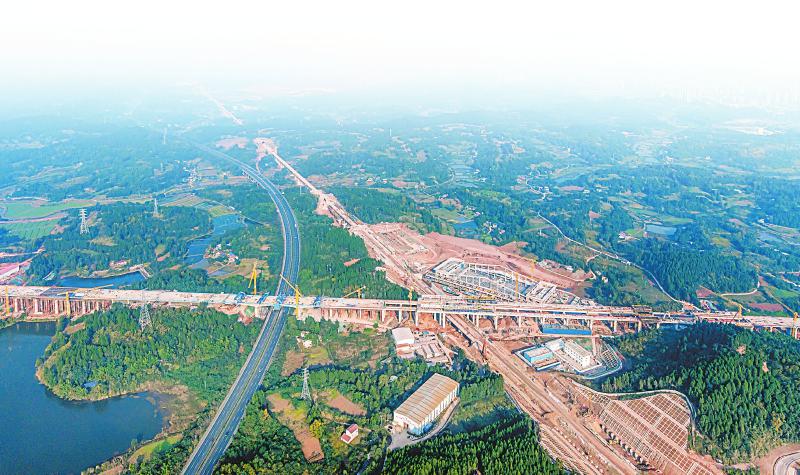
Core Insights - The construction of the Lezhi High-speed Railway Station, which serves both Chengda-Wan and Chengyu Central Line High-speed Rail, is accelerating [2] - Over the past five years, the Chengdu-Chongqing economic circle has made significant progress in standardization, with 17 regional local standards and 31 group standards established [2][3] - The two regions have implemented a cross-province traffic standardization mechanism, enhancing public transport integration and environmental protection efforts [2][6] Standardization and Public Services - A total of 63 standardization experts have been mutually appointed, contributing to the establishment of digital standard databases for new energy vehicles and biomedicine [2] - The two regions have optimized public service standards across nine major areas, including education, healthcare, and housing, enhancing the convenience for residents [4] - The implementation of a unified 12345 government service hotline has improved interconnectivity between the two regions [5] Transportation Integration - The establishment of a cross-province traffic standardization mechanism has led to a significant improvement in transportation efficiency, with a 20% increase in traffic flow efficiency [6] - The optimization of 26 inter-provincial bus routes has reduced commuting time by 60% [7] - The integration of over 300 bus stations and 1,123 routes has enabled a unified ticketing system for public transport [7] Environmental Collaboration - The ecological restoration of abandoned mines in the region has seen a vegetation coverage increase from 50% to 85% through standardized practices [8] - Joint efforts have been made to address cross-border pollution by establishing unified air pollutant emission standards for high-energy-consuming industries [8] Tourism Development - The launch of the "Bashu Corridor: Chengdu-Chongqing Together" tourism routes aims to enhance cultural and tourism collaboration between the two cities [9] - The Chengdu-Chongqing tourism card integrates over 50 popular attractions, facilitating seamless travel between the two regions [9]