
手工捏捏

Search documents
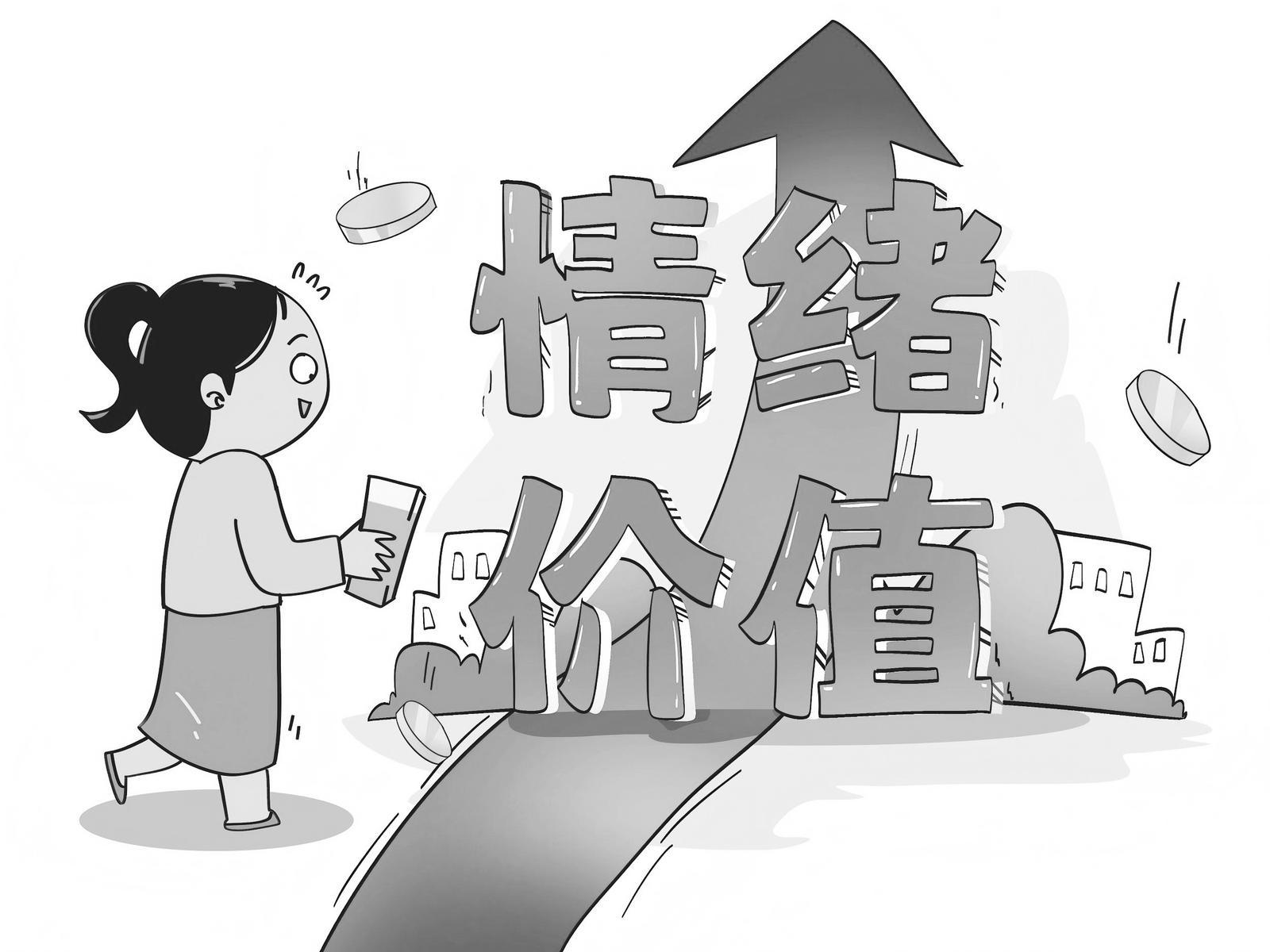
情绪消费渐成趋势
Xin Lang Cai Jing· 2026-01-12 23:09
Group 1 - The core viewpoint of the article highlights the emerging trend of emotional consumption in the 2025 market, where products and experiences that provide joy and satisfaction are gaining popularity [2] - The article mentions specific examples such as the LABUBU toys and the collaboration with "Zootopia 2," indicating a strong market response to these emotionally engaging products [2] - Emotional consumption is seen as a significant driver of domestic demand, showcasing the robust potential of the domestic market [2]

“哭哭马”逆袭凸显年轻人情绪消费潜力
Xin Lang Cai Jing· 2026-01-12 18:00
Core Insights - The rise of the "Crying Horse" toy highlights the untapped potential of emotional consumption among young consumers, indicating a shift from traditional product offerings to more personalized and emotionally resonant products [1][5] Group 1: Emotional Consumption Trends - Emotional consumption has become a necessity for the youth, with nearly 90% of surveyed young people having paid for emotional value, and about 40% being frequent consumers [3] - The primary motivations for emotional consumption include alleviating stress and anxiety (46.8%) and achieving psychological satisfaction from feeling needed and seen (43.1%) [3] - The trend reflects a broader transformation in consumer demands, moving from basic needs to emotional fulfillment and self-realization [4] Group 2: Market Dynamics and Future Outlook - The emotional economy in China is projected to exceed 4.5 trillion yuan by 2029, indicating significant market potential [4] - There is a growing preference among young consumers for original and novel products, leading to a rejection of homogenized offerings [4] - Companies need to focus on developing products that provide long-term emotional support and cater to the diverse emotional needs of consumers, rather than relying on short-term trends [4]
均价40元的捏捏,凭什么让年轻人一年剁手上万?
3 6 Ke· 2025-12-02 04:19
Core Insights - The rise of "handmade squishies" as a new stress-relief toy reflects a growing trend among young consumers seeking emotional value and creative expression [1][2][19] - The market for handmade squishies has seen significant engagement, with over 5.4 billion views on the topic on Xiaohongshu and more than 3 million related products available [2][19] - The handmade squishy market is characterized by diverse consumer motivations, with some valuing the tactile experience and others seeking community and unique designs [4][7][19] Consumer Behavior - Young consumers, such as "Kiki," initially engage with handmade squishies for their stress-relief properties but later find deeper emotional satisfaction through creation and sharing [4][5] - Another consumer, "Little Fish," emphasizes the importance of community and unique designs, willing to pay higher prices for distinctive pieces [7][19] - The purchasing behavior of consumers shows a preference for cost-effective options, with 90% of buyers opting for products priced at 83 yuan or below [15] Market Dynamics - The handmade squishy market is experiencing a shift, with increased competition from mass-produced alternatives affecting small creators [11][19] - The pricing structure ranges from a few yuan to hundreds, with some popular items even reaching thousands on second-hand platforms, indicating a clear product tiering [15] - Despite the high demand, many creators struggle to achieve significant profits due to the price sensitivity of consumers and the costs associated with production [15][19] Creator Insights - The creation process for handmade squishies is time-intensive, requiring careful selection of materials and design, which can take several hours to days [8][10] - Successful creators, like "Butterfly Crisp," emphasize the importance of unique designs and effective brand management to sustain their businesses [13][19] - The potential for growth in the handmade squishy market lies in brand building and expanding into experiential offerings, such as workshops and collaborations [19]
