拍黄瓜

Search documents
壹视界·我们的“十五五” | 从“管得住”到“管得好”,一字之变有何深意?
Ren Min Wang· 2025-12-05 05:57
Group 1 - The core viewpoint of the article emphasizes the importance of balancing an effective market with proactive government intervention, highlighting the shift from "strict control" to "effective management" in economic governance [1] - The article discusses a specific case involving the regulation of simple food sales, such as "拍黄瓜" (cucumber salad), which faced scrutiny and penalties for operating without proper licenses in Shanghai [1] - In 2023, there were 1,372 restaurants in Shanghai that received high compensation claims from professional whistleblowers for "unlicensed cucumber salad" sales, indicating a significant regulatory challenge for small food businesses [1] Group 2 - Recent reforms at both national and municipal levels have aimed to optimize licensing regulations for simple food production and sales, thereby reducing the burden on small restaurants and stimulating market vitality [1] - The article illustrates the need for a balanced approach in economic order, where the market is allowed to thrive while ensuring that government oversight is effective and appropriate [1]
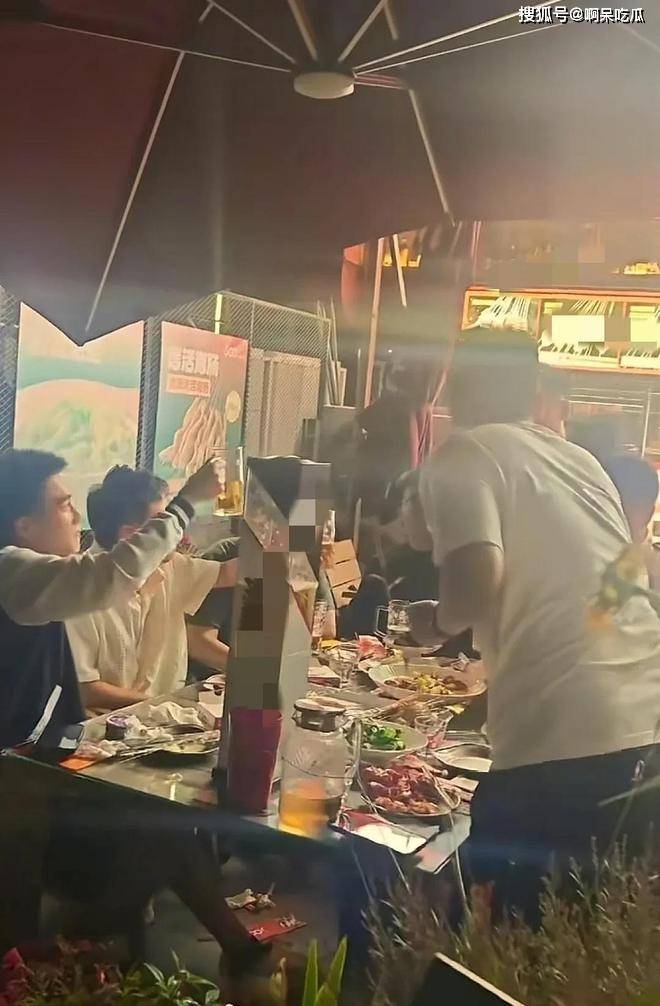
豪门公子也爱路边摊!何猷君济南撸串,7人豪饮消费仅878元
Sou Hu Cai Jing· 2025-06-30 02:57
Core Viewpoint - The article highlights a cultural shift among high-net-worth individuals in China, showcasing their increasing preference for street food and casual dining experiences as a form of social identity and psychological relief from high-pressure lifestyles [11][18][23]. Group 1: Social Behavior and Identity - The presence of wealthy individuals, such as He Youjun, at street food stalls illustrates a trend of elite classes engaging in "downward mobility" in consumption, seeking authentic experiences over luxury dining [11][14]. - The act of enjoying street food has become a new status symbol among the elite, reflecting a collective desire to connect with everyday life and break down class barriers [13][20]. - The juxtaposition of high-profile individuals in casual settings signifies a shift in social norms, where traditional markers of wealth are being replaced by more relatable experiences [16][23]. Group 2: Economic Implications - A report by Bain & Company indicates that China's high-net-worth individuals are reaching a "de-luxurization" turning point in their daily consumption, favoring genuine life experiences over ostentatious displays of wealth [18]. - The spending behavior observed, such as a bill of 878 yuan for a meal, highlights a significant change in consumer habits, where even affluent individuals are embracing more affordable dining options [9][16]. - The phenomenon of elite individuals frequenting street food venues suggests a potential shift in the food and beverage industry, where casual dining may become a more prominent segment as consumer preferences evolve [14][18].