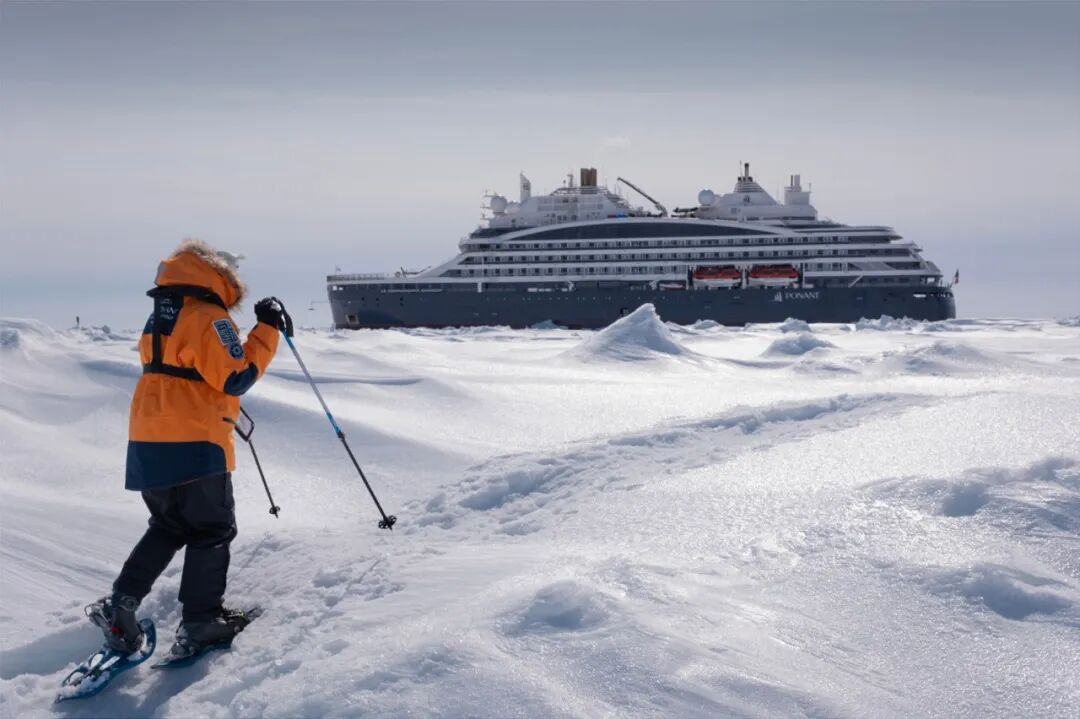
指挥官夏古号

Search documents
南极游轮生意,有人撑不住了
商业洞察· 2025-11-23 09:22
Core Insights - The article discusses the contrasting fortunes of high-end and small expedition cruise companies in the Antarctic tourism market, highlighting a significant polarization in the industry [3][8][11]. Group 1: Market Dynamics - The Antarctic cruise market is experiencing a bifurcation, with luxury brands like Silversea and Ponant thriving, while smaller companies struggle to survive [8][30]. - High-end cruise cabins are selling out months in advance, while smaller operators are forced to offer last-minute discounts to attract customers [32][30]. - The average daily rate for luxury hotels has surged, indicating a broader trend of wealth concentration in the travel sector, which is reflected in the cruise industry [20][25]. Group 2: Consumer Behavior - Chinese tourists are increasingly becoming a significant demographic in Antarctic tourism, with their numbers reaching 9,384 in the 2023-2024 season, making China the third-largest source of tourists [35][41]. - There is a noticeable shift in the age demographic of Chinese tourists, with a growing number of younger travelers, particularly those born in the 1990s, participating in Antarctic cruises [36][39]. - The willingness of high-net-worth individuals to spend on luxury experiences is driving demand for premium cruise offerings, while middle-class consumers face budget constraints [27][40]. Group 3: Industry Challenges - The bankruptcy of several small expedition cruise companies, such as Exploris and Vantage, underscores the financial instability faced by lower-tier operators in the market [11][14]. - The article emphasizes that the Antarctic region is selective about which businesses can thrive, as evidenced by the failures of companies that could not adapt to the changing market dynamics [17][33].


南极游轮生意,有人撑不住了
创业邦· 2025-11-22 10:09
Core Insights - The article discusses the contrasting performance of high-end and small expedition cruise companies in the Antarctic tourism market, highlighting a significant polarization in the industry [5][7][27]. Group 1: Market Dynamics - The luxury expedition cruise market is thriving, with top brands like Silver Sea and Ponant experiencing high demand, while smaller companies are struggling to survive [7][10]. - The average price of luxury hotels in the U.S. has reached a record $394, significantly higher than mid-tier hotels, indicating a broader trend of wealth polarization in the travel industry [15][21]. - The disparity in the cruise industry is evident, with top-tier vessels selling out months in advance, while lower-tier companies frequently resort to last-minute discounts [27]. Group 2: Consumer Behavior - Chinese tourists are increasingly becoming a vital demographic for Antarctic cruises, with their numbers reaching 9,384 in the 2023-2024 season, making China the third-largest source of tourists [28][29]. - The demographic of Chinese tourists is shifting, with a growing proportion of younger travelers, particularly those born in the 1990s, seeking unique experiences like Antarctic cruises [30][31]. - The willingness of high-net-worth individuals to spend significantly on luxury travel experiences is driving the market towards more premium offerings [36]. Group 3: Industry Challenges - The bankruptcy of several small expedition cruise companies, such as Exploris and Vantage, underscores the financial difficulties faced by lower-tier operators in the Antarctic market [10][12]. - The article emphasizes that while the Antarctic welcomes adventurous travelers, it does not guarantee success for all businesses, as evidenced by the failures of smaller companies [12][27].

南极游轮生意,有人撑不住了
首席商业评论· 2025-11-21 04:07
Core Viewpoint - The article discusses the contrasting fortunes of high-end and budget polar cruise companies, highlighting the growing demand for luxury experiences among affluent consumers, particularly from China, while smaller companies struggle to survive in a competitive market [4][6][10]. Group 1: Market Dynamics - The polar cruise industry is experiencing a bifurcation, with luxury brands like Silversea and Ponant thriving, while smaller adventure cruise companies face significant challenges [6][15]. - High-end cruise cabins are selling out months in advance, with prices reaching hundreds of thousands of yuan, particularly appealing to high-net-worth individuals in China [6][12]. - In contrast, smaller companies are resorting to last-minute discounts to attract customers, indicating a struggle to fill their ships [15]. Group 2: Financial Struggles of Smaller Companies - The bankruptcy of companies like Exploris and Vantage, which owed over $1.7 billion, illustrates the financial difficulties faced by smaller players in the polar cruise market [8][10]. - The increasing number of polar expedition companies post-pandemic has intensified competition, leading to the downfall of several lesser-known operators [8][15]. Group 3: Changing Consumer Demographics - The demographic of Chinese tourists visiting Antarctica is shifting, with a growing number of younger travelers, particularly those born in the 1990s, seeking unique experiences [17][19]. - This trend is prompting cruise companies to adapt their offerings, including adding Chinese language support and specialized themes like photography [17][19]. Group 4: Implications for the Industry - The rise of affluent Chinese tourists is reshaping the polar cruise market, creating opportunities for top-tier companies to capitalize on the wealth gap and increasing demand for luxury travel experiences [19][20]. - The article suggests that the focus on high-end experiences will continue to drive the industry towards a more concentrated and premium market [20].

南极游轮生意,有人撑不住了
3 6 Ke· 2025-11-20 00:14
Core Insights - The luxury polar cruise industry is experiencing a significant polarization, with high-end brands like Silversea and Ponant thriving while smaller expedition companies struggle to survive [3][5][11] - The recent bankruptcy of the French polar expedition company Exploris highlights the challenges faced by smaller players in the market, as they are unable to compete with established brands [5][11] - The demand for luxury travel experiences, particularly among high-net-worth individuals, is driving the success of top-tier cruise lines, while budget options are increasingly failing to attract customers [6][9][11] Industry Trends - The luxury hotel market is witnessing a similar K-shaped recovery, where high-end hotels see rising prices while mid-tier options lag behind, reflecting a broader trend in consumer spending [6][9] - The average daily rate for luxury hotels in the U.S. has reached a record $394, significantly higher than mid-tier hotels, indicating a growing divide in the hospitality sector [6] - The global first-class flight ticket bookings have increased by 20% compared to last year, and private jet deliveries are expected to rise by over 7%, further emphasizing the trend towards luxury travel [9] Market Dynamics - The number of Chinese tourists traveling to Antarctica is increasing, with 9,384 visitors expected in the 2023-2024 season, making China the third-largest source of tourists after the U.S. and the U.K. [12][14] - The demographic of Chinese tourists is shifting, with a growing proportion of younger travelers, particularly those born in the 1990s, seeking unique travel experiences [12][14] - Luxury polar cruise companies are adapting to this trend by enhancing their offerings for Chinese tourists, including adding Chinese language support and specialized experiences [12][14] Competitive Landscape - The top-tier polar cruise lines are experiencing strong demand, with flagship cabins selling out months in advance, while smaller companies are forced to offer last-minute discounts to attract customers [11] - The market is becoming increasingly concentrated, with fewer players able to maintain a foothold, leading to a clearer divide between successful luxury brands and struggling budget options [11][14] - The success of high-end brands is being fueled by the wealth disparity and the willingness of affluent consumers to invest in unique travel experiences, particularly in the polar regions [14]