消费两极分化

Search documents
2025消费行业年度趋势分析报告
Sou Hu Cai Jing· 2025-12-15 17:11
Core Trends in the Consumer Industry - The consumer industry in 2025 is characterized by market polarization, organizational restructuring, multi-point industry explosions, and talent resilience [1] - Understanding these trends is essential for businesses, investors, and professionals to seize opportunities amid uncertainty [1] Market Trends: New Opportunities in Polarization - The consumer market is undergoing significant transformation, with the "middle price range" cooling, rational consumption rising, and the silver economy booming [3] - High-income consumers are pursuing quality upgrades, while low- to middle-income consumers focus on cost-effectiveness, leading to a notable "polarization" in consumption [4] - The core driver of consumption upgrade is "value recognition," with high-income consumers willing to pay a premium for innovative, socially responsible, and health-oriented products [4] - The tea beverage industry exemplifies this trend, with low-cost brands like Mixue Ice Cream seeing over 40% profit growth, while mid-range and high-end brands face declining profits [5] Rational Consumption Rise - The brand premium is diminishing, with consumers now prioritizing quality and effectiveness over brand recognition [6] - Consumers are increasingly pragmatic, utilizing both online and offline channels for price comparison and product selection [6] - The rise of "ingredient-focused" consumers and the popularity of private label products reflect this shift, with significant growth in ingredient searches on platforms like Tmall [7] Silver Economy: A New Growth Frontier - The silver economy is transitioning from a niche market to a trillion-dollar sector, driven by an aging population and stable income for retirees [8] - By 2035, the number of individuals aged 60 and above in China is expected to reach 480 million, providing a solid foundation for this market [9] - Various sectors, including finance, entertainment, and consumer goods, are witnessing significant growth, with health products and senior-friendly smart devices gaining traction [9] Organizational Trends: Streamlining and Empowerment - Consumer companies are undergoing profound changes in organizational structure, focusing on efficiency and agility [11] - Many companies are engaging in "slimming down" initiatives, shedding non-core operations to concentrate resources on key business areas [12] - Strategic roles are evolving from advisory to operational, requiring personnel to be deeply involved in business execution [14] Industry Trends: Diverse Growth Across Segments - The beauty and personal care sector is shifting from online dominance to a blend of online and offline experiences, emphasizing the importance of physical retail [20] - The food and beverage industry is experiencing steady growth, with a focus on health and quality, as well as a shift towards high-quality price competition [22] - The health supplement market is booming, with a projected market size of 355.4 billion yuan in 2024, driven by diverse consumer demands and innovative product forms [24] - The pet industry is expanding, with a focus on emotional spending and professional services, reflecting a shift towards health and companionship [26] - Outdoor sports are experiencing explosive growth, driven by increased health awareness and diverse leisure activities [28] - The tourism sector is evolving towards quality and experiential offerings, with new business models reshaping the industry landscape [32] Talent Market: Opportunities Amidst Challenges - The talent market is characterized by intensified competition and a focus on immediate capabilities, with companies prioritizing recent industry experience [38] - The demand for social e-commerce talent is surging, driven by the transformation of traditional fast-moving consumer goods (FMCG) channels [39] - Building career resilience is essential for professionals to navigate the evolving job landscape and seize emerging opportunities [41]


南极游轮生意,有人撑不住了
商业洞察· 2025-11-23 09:22
Core Insights - The article discusses the contrasting fortunes of high-end and small expedition cruise companies in the Antarctic tourism market, highlighting a significant polarization in the industry [3][8][11]. Group 1: Market Dynamics - The Antarctic cruise market is experiencing a bifurcation, with luxury brands like Silversea and Ponant thriving, while smaller companies struggle to survive [8][30]. - High-end cruise cabins are selling out months in advance, while smaller operators are forced to offer last-minute discounts to attract customers [32][30]. - The average daily rate for luxury hotels has surged, indicating a broader trend of wealth concentration in the travel sector, which is reflected in the cruise industry [20][25]. Group 2: Consumer Behavior - Chinese tourists are increasingly becoming a significant demographic in Antarctic tourism, with their numbers reaching 9,384 in the 2023-2024 season, making China the third-largest source of tourists [35][41]. - There is a noticeable shift in the age demographic of Chinese tourists, with a growing number of younger travelers, particularly those born in the 1990s, participating in Antarctic cruises [36][39]. - The willingness of high-net-worth individuals to spend on luxury experiences is driving demand for premium cruise offerings, while middle-class consumers face budget constraints [27][40]. Group 3: Industry Challenges - The bankruptcy of several small expedition cruise companies, such as Exploris and Vantage, underscores the financial instability faced by lower-tier operators in the market [11][14]. - The article emphasizes that the Antarctic region is selective about which businesses can thrive, as evidenced by the failures of companies that could not adapt to the changing market dynamics [17][33].

南极游轮生意,有人撑不住了
创业邦· 2025-11-22 10:09
Core Insights - The article discusses the contrasting performance of high-end and small expedition cruise companies in the Antarctic tourism market, highlighting a significant polarization in the industry [5][7][27]. Group 1: Market Dynamics - The luxury expedition cruise market is thriving, with top brands like Silver Sea and Ponant experiencing high demand, while smaller companies are struggling to survive [7][10]. - The average price of luxury hotels in the U.S. has reached a record $394, significantly higher than mid-tier hotels, indicating a broader trend of wealth polarization in the travel industry [15][21]. - The disparity in the cruise industry is evident, with top-tier vessels selling out months in advance, while lower-tier companies frequently resort to last-minute discounts [27]. Group 2: Consumer Behavior - Chinese tourists are increasingly becoming a vital demographic for Antarctic cruises, with their numbers reaching 9,384 in the 2023-2024 season, making China the third-largest source of tourists [28][29]. - The demographic of Chinese tourists is shifting, with a growing proportion of younger travelers, particularly those born in the 1990s, seeking unique experiences like Antarctic cruises [30][31]. - The willingness of high-net-worth individuals to spend significantly on luxury travel experiences is driving the market towards more premium offerings [36]. Group 3: Industry Challenges - The bankruptcy of several small expedition cruise companies, such as Exploris and Vantage, underscores the financial difficulties faced by lower-tier operators in the Antarctic market [10][12]. - The article emphasizes that while the Antarctic welcomes adventurous travelers, it does not guarantee success for all businesses, as evidenced by the failures of smaller companies [12][27].

南极游轮生意,有人撑不住了
虎嗅APP· 2025-11-21 14:04
Core Viewpoint - The article discusses the contrasting fortunes of high-end and small-scale polar cruise companies in the Antarctic tourism market, highlighting a significant polarization in consumer demand and market performance [4][5][22]. Group 1: Market Dynamics - The luxury polar cruise market is thriving, with top brands like Silversea and Ponant experiencing strong demand, while smaller companies struggle to survive [5][22]. - The average price of luxury hotels in the U.S. has reached a record $394, indicating a growing divide in the hospitality sector, which mirrors trends in the polar cruise industry [13][19]. - The number of Chinese tourists visiting Antarctica has increased significantly, with 9,384 visitors in the 2023-2024 season, making China the third-largest source of tourists [24][29]. Group 2: Consumer Behavior - There is a noticeable shift in the demographic of Chinese tourists to Antarctica, with a rising proportion of younger travelers, particularly those born in the 1990s and 2000s [26][27]. - High-end cruise companies are adapting to this demographic shift by enhancing their offerings, such as adding Chinese language support and specialized experiences [27][28]. - The luxury travel market is increasingly characterized by consumers willing to spend significantly on unique experiences, further benefiting top-tier cruise operators [19][22].
南极游轮生意,有人撑不住了
首席商业评论· 2025-11-21 04:07
Core Viewpoint - The article discusses the contrasting fortunes of high-end and budget polar cruise companies, highlighting the growing demand for luxury experiences among affluent consumers, particularly from China, while smaller companies struggle to survive in a competitive market [4][6][10]. Group 1: Market Dynamics - The polar cruise industry is experiencing a bifurcation, with luxury brands like Silversea and Ponant thriving, while smaller adventure cruise companies face significant challenges [6][15]. - High-end cruise cabins are selling out months in advance, with prices reaching hundreds of thousands of yuan, particularly appealing to high-net-worth individuals in China [6][12]. - In contrast, smaller companies are resorting to last-minute discounts to attract customers, indicating a struggle to fill their ships [15]. Group 2: Financial Struggles of Smaller Companies - The bankruptcy of companies like Exploris and Vantage, which owed over $1.7 billion, illustrates the financial difficulties faced by smaller players in the polar cruise market [8][10]. - The increasing number of polar expedition companies post-pandemic has intensified competition, leading to the downfall of several lesser-known operators [8][15]. Group 3: Changing Consumer Demographics - The demographic of Chinese tourists visiting Antarctica is shifting, with a growing number of younger travelers, particularly those born in the 1990s, seeking unique experiences [17][19]. - This trend is prompting cruise companies to adapt their offerings, including adding Chinese language support and specialized themes like photography [17][19]. Group 4: Implications for the Industry - The rise of affluent Chinese tourists is reshaping the polar cruise market, creating opportunities for top-tier companies to capitalize on the wealth gap and increasing demand for luxury travel experiences [19][20]. - The article suggests that the focus on high-end experiences will continue to drive the industry towards a more concentrated and premium market [20].

南极游轮生意,有人撑不住了
3 6 Ke· 2025-11-20 00:14
Core Insights - The luxury polar cruise industry is experiencing a significant polarization, with high-end brands like Silversea and Ponant thriving while smaller expedition companies struggle to survive [3][5][11] - The recent bankruptcy of the French polar expedition company Exploris highlights the challenges faced by smaller players in the market, as they are unable to compete with established brands [5][11] - The demand for luxury travel experiences, particularly among high-net-worth individuals, is driving the success of top-tier cruise lines, while budget options are increasingly failing to attract customers [6][9][11] Industry Trends - The luxury hotel market is witnessing a similar K-shaped recovery, where high-end hotels see rising prices while mid-tier options lag behind, reflecting a broader trend in consumer spending [6][9] - The average daily rate for luxury hotels in the U.S. has reached a record $394, significantly higher than mid-tier hotels, indicating a growing divide in the hospitality sector [6] - The global first-class flight ticket bookings have increased by 20% compared to last year, and private jet deliveries are expected to rise by over 7%, further emphasizing the trend towards luxury travel [9] Market Dynamics - The number of Chinese tourists traveling to Antarctica is increasing, with 9,384 visitors expected in the 2023-2024 season, making China the third-largest source of tourists after the U.S. and the U.K. [12][14] - The demographic of Chinese tourists is shifting, with a growing proportion of younger travelers, particularly those born in the 1990s, seeking unique travel experiences [12][14] - Luxury polar cruise companies are adapting to this trend by enhancing their offerings for Chinese tourists, including adding Chinese language support and specialized experiences [12][14] Competitive Landscape - The top-tier polar cruise lines are experiencing strong demand, with flagship cabins selling out months in advance, while smaller companies are forced to offer last-minute discounts to attract customers [11] - The market is becoming increasingly concentrated, with fewer players able to maintain a foothold, leading to a clearer divide between successful luxury brands and struggling budget options [11][14] - The success of high-end brands is being fueled by the wealth disparity and the willingness of affluent consumers to invest in unique travel experiences, particularly in the polar regions [14]
寻找消费力| 精酿啤酒:场景中挖掘消费力
Bei Jing Shang Bao· 2025-05-28 08:57
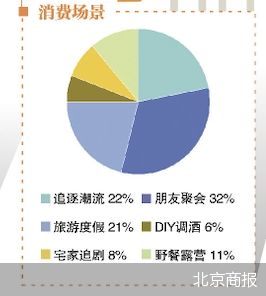
Core Insights - Despite fluctuations in the consumer market, the craft beer consumption power in Beijing remains strong, transitioning from offline to online and from niche to mainstream [1] - The report aims to analyze the migration path and future trends of craft beer consumption in Beijing, focusing on consumer profiles, existing issues, and future consumption trends [1] Consumer Segmentation - The craft beer market in Beijing is characterized by a diverse consumer base, with over 200 bars primarily located in Dongcheng and Chaoyang districts [3] - The consumer demographic shows a clear trend of personalization, with craft beer consumption moving from niche enthusiasts to a broader audience [3] - Key consumption areas include Chaoyang, Fengtai, Changping, and Haidian, with slight increases in consumption expected in Fengtai and Changping for 2024 compared to 2023 [3] Pricing and Consumption Patterns - There is a notable polarization in pricing, with high-end craft beers priced above 100 yuan and budget options around 9.9 to 19.9 yuan performing better than mid-range brands [5] - Approximately 73.31% of consumers prioritize value for money, while 44.36% seek freshness in beer offerings [5] - The average monthly expenditure on craft beer is positively correlated with personal income, with a significant portion of high-income consumers spending over 500 yuan monthly [6] Gender Dynamics - The male consumer base currently dominates craft beer consumption in Beijing, with a ratio of 64:36, although female participation is increasing [7] - The gender ratio in some bars has shifted to nearly equal, indicating a growing female consumer presence in the craft beer market [7] Market Challenges - The craft beer market faces challenges such as homogenized consumption scenarios and limited product variety, leading to a perceived decline in consumption power [9] - The reliance on bar settings for consumption limits the market's ability to cater to emerging home consumption trends, which are gaining popularity [9] Future Trends - The future of craft beer consumption in Beijing is expected to trend towards lower alcohol content, flavor innovation, and diversified product offerings [11] - Local flavor innovation is anticipated to become a key driver, with products incorporating local ingredients like Beijing pear and hawthorn [12] - The emergence of new consumption scenarios, such as outdoor activities and home consumption, will create a multi-faceted market landscape [13]