散文集

Search documents
雪花飘落北屯
Xin Lang Cai Jing· 2026-01-08 20:05
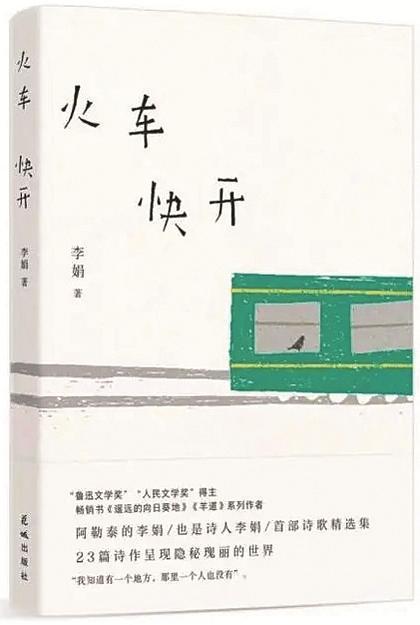
解读李娟的诗歌,从不需要高深的理论或赏析技巧,唯一的方式便是用心感受——感受字里行间流淌 的、属于她个人的独特情感。李娟出生于新疆,8个月大时便被外婆抱回四川抚养。直到18岁,李娟才 重返阿勒泰,与母亲张凤侠相伴生活。在此之前,"母亲"于她而言,只是一个单薄的词汇。和母亲生活 在一起后,李娟逐渐发现,母亲是一个敢爱敢恨、率性不羁的女子。母亲对她似乎少了几分母女温情, 却总能在她"落魄"时,毫不犹豫地伸出援手。母亲的粗粝、强硬,与李娟敏感而坚韧的内心形成了鲜明 的对比。她在《寻找》一诗中写道:"而我最短暂/我的母亲都不知世上曾经有我。" 在那些漂泊的打工岁月里,李娟从未停止过"寻找"自我。她渴望寻得一份清晰的身份,让心灵有个归 宿。"中间那段人生哪里去了/我终日在房间翻找/20年的碌碌主妇/在书页间翻找/30年的近视眼/筷子在饭 菜间寻找/针线在衣衫破旧处寻找/换了一支又一支钥匙/在锁芯里找",她在诗中不停追问。岁月流转, 那些颠沛流离的日子,渐渐沉淀为诗行里平淡的字句。 爱情,是李娟文字里最刻骨铭心的一种感情。那些浸透着自卑、怯懦与泪水的时光,让她一次次与幸福 擦肩而过。"谁又在找我呢/他沦陷世间重重繁华/至 ...

阅读收获 笔下的“人间” N602班
Xin Lang Cai Jing· 2025-12-27 23:52
Group 1 - The collection of essays showcases the beauty of human relationships, emphasizing themes of love, family, and resilience through various literary works [1][2] - Notable authors featured include Shi Tiesheng, Wang Zengqi, Liang Shiqiu, Feng Zikai, and Shen Congwen, with over forty classic essays selected [2] - The narratives reflect on the imperfections of life, suggesting that these challenges motivate the pursuit of perfection and personal growth [2] Group 2 - The stories from ancient Chinese mythology, such as "The Foolish Old Man Moves the Mountains" and "The Legend of Jingwei," illustrate the values of perseverance, courage, and wisdom [4][5] - These myths serve as moral lessons, teaching the importance of determination and the right approach to problem-solving [5] - The insights gained from these stories are timeless, guiding individuals in their personal development and decision-making processes [5]
人间真实时刻: 我的消费观:30一杯奶茶可以,5块钱运费不行。
Sou Hu Cai Jing· 2025-11-18 15:42
Group 1 - The article highlights consumer behavior regarding small expenses and the tendency to avoid perceived unnecessary costs while making larger purchases [2][3][4][5] - It illustrates various scenarios where consumers prioritize saving on minor fees, such as delivery charges or packaging costs, even when it leads to higher overall spending [2][3][4][5] - The narrative emphasizes the contrast between spending on experiences or items deemed valuable versus being frugal on smaller, seemingly trivial expenses [3][4][5] Group 2 - The article presents a series of anecdotes that reflect common consumer dilemmas, showcasing how individuals often overthink minor costs while being willing to spend significantly on other items [2][3][4][5] - It suggests that these behaviors are relatable and reflect a broader trend in consumer psychology, where the perception of value influences spending decisions [2][3][4][5] - The humorous tone of the anecdotes serves to engage readers and encourage them to reflect on their own spending habits and experiences [5]