文和友餐饮服务

Search documents
湖南省商务厅厅长沈裕谋:新消费不能止步于“烟火气” 丨潜能实践论
Sou Hu Cai Jing· 2026-02-05 17:00
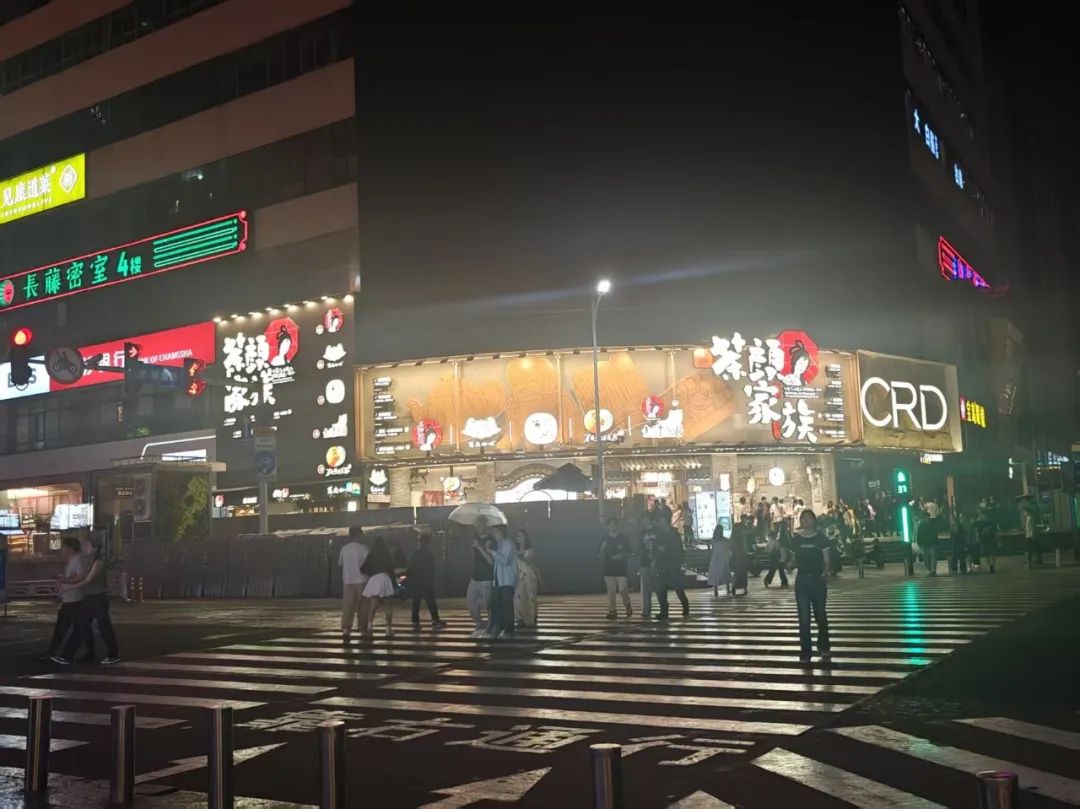
Core Insights - Hunan province is experiencing a significant new consumption trend, with the retail sales of consumer goods expected to exceed 2.1 trillion yuan by 2025, driven by local cultural elements and innovative business models [4][18]. Group 1: New Consumption Trends - The "Five Little Tigers" of Changsha have gained national attention, attracting young people from various regions [4][7]. - The consumption characteristics of Hunan residents include a willingness to spend, particularly during late-night hours, which contrasts with trends in other regions [7][11]. - The integration of local culture into consumption experiences has enhanced market competitiveness, with examples like Wenheyou and Chayan Yuesheng creating unique consumer identities [6][9]. Group 2: Capital and Infrastructure Support - Capital investment has played a crucial role in the growth of new consumption brands, enabling rapid expansion and market presence [9][13]. - Hunan has established a comprehensive industrial service system to support brand development, exemplified by the rapid growth of brands like "Mingming Hen Mang" [9][13]. - The province has implemented a "1+3" service model, combining industry research, enterprise services, and capital support to create a closed-loop system for new consumption [13][14]. Group 3: Policy and Future Directions - Hunan has been approved for several national-level pilot programs aimed at enhancing consumption, which will allow for more flexible regulatory standards and promote innovative business models [18][20]. - Future efforts will focus on optimizing product consumption, enhancing service quality, and improving consumer environments to stimulate demand [22][24]. - The province aims to transform consumption patterns from survival-oriented to experience-oriented, particularly targeting younger demographics [24][22].


最懂年轻人的城市,还是它
3 6 Ke· 2025-05-05 22:03
Core Insights - The article highlights the vibrant night economy of Changsha, which operates 24/7 and attracts both locals and tourists, making it a unique urban center in China [1][2][10] - Changsha's night economy is supported by a strong cultural background, including popular television programs that have contributed to the city's national recognition [5][7] - The city faces challenges in sustaining its "internet celebrity" status and must adapt to ensure long-term economic viability [19][21] Group 1: Night Economy - Changsha's night economy employs over one million people and has consistently ranked among the top cities in China for night economic activity over the past five years [11] - The local climate and cultural preferences encourage a lifestyle where residents prefer to go out at night, contributing to the popularity of late-night dining and entertainment [12] - The city has developed ten key night economy demonstration districts and 200 night economy demonstration stores, indicating a structured approach to enhancing this sector [13] Group 2: Cultural Influence - The rise of Changsha as a cultural hub began around 2000 with the emergence of Hunan TV, which produced popular shows that increased the city's visibility [5][6] - The success of local brands like Wenheyou and Chayan Yuesheng illustrates how cultural elements can drive economic growth and attract tourism [9][10] Group 3: Challenges and Sustainability - Despite the initial success of brands like Wenheyou and Chayan Yuesheng, their attempts to expand outside Changsha have often resulted in failures due to various operational challenges [20][21] - The article emphasizes the need for Changsha to develop a sustainable economic model that can maintain its popularity and adapt to changing market conditions [19][23] - Experts suggest that while the city has a strong foundation in its night economy, it must enhance management capabilities and innovate to avoid the pitfalls of short-lived trends [21][23]