料箱机器人

Search documents
融了15轮,深圳独角兽要IPO了
投中网· 2026-03-06 07:13
Core Viewpoint - After 8 years and 15 rounds of financing, Hairobo Innovation has successfully entered the capital market by choosing to go public in Hong Kong, showcasing its status as a representative of technological innovation and a favored company in the capital market [4]. Group 1: Company Background and Financing - Hairobo Innovation, headquartered in Shenzhen, has completed 15 rounds of financing, raising approximately 4.133 billion yuan, with a post-E round valuation of about 10.9 billion yuan [4]. - The company has attracted significant backing from major venture capital firms, including XBOT PARK Fund, Sequoia China, and IDG Capital, among others [4]. Group 2: Product Development and Market Position - The founder, Chen Yuqi, developed the concept of a "box-picking robot" that significantly improves storage density by 80%-130% and increases picking efficiency by 3-4 times compared to traditional methods [8]. - By 2024, Hairobo Innovation is projected to be the largest ACR solution provider globally, holding over 30% market share, leading the second competitor by 5 percentage points [9]. Group 3: Investment Returns and Market Perception - Early investors, who recognized the potential of Hairobo's niche market, are now seeing substantial returns, with some investments yielding over 50 times their initial amount [11]. - The company’s revenue is expected to grow significantly, with projected revenues of 807 million yuan in 2023, 1.36 billion yuan in 2024, and 1.263 billion yuan in the first nine months of 2025, marking a 68.6% year-on-year increase in 2024 [18]. Group 4: Challenges and Future Outlook - Despite a strong market position, Hairobo faces increasing competition as rivals enter the ACR market, leading to potential price wars and challenges in maintaining market share [19]. - The company plans to use IPO proceeds to enhance technological capabilities, expand global manufacturing, and strengthen its supply chain and service capabilities [20].


“黄金周”里的经济故事:工程师让机器人竞技更强、“下手”更准
Xin Hua She· 2025-10-02 13:58
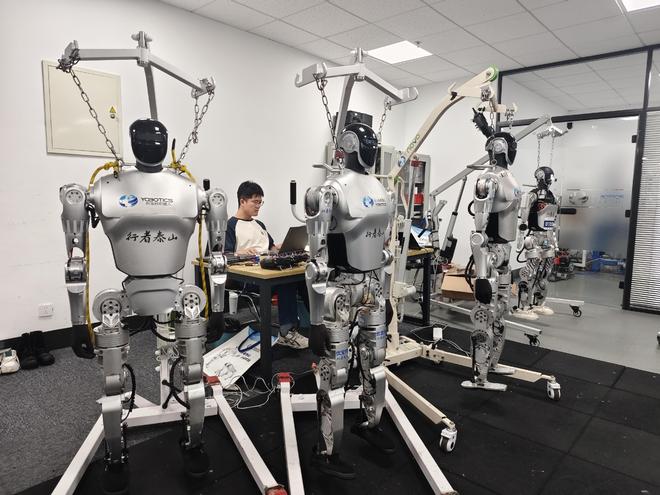
Core Insights - The article highlights the advancements and challenges in the humanoid robot industry, particularly focusing on the efforts of Shandong Youbot Intelligent Robot Co., Ltd in optimizing their products and enhancing robot capabilities [1][2]. Group 1: Company Developments - Shandong Youbot's humanoid robot "Xingzhe Taishan" achieved first place in the 100-meter race and third in the 4x100-meter relay at the 2025 World Humanoid Robot Games, indicating significant progress but also room for improvement [1]. - The company is actively working on optimizing internal wiring, enhancing autonomy, and upgrading motion control algorithms to improve robot performance [1][2]. - Recent advancements include increasing the robot's stair-climbing ability from 10 centimeters to 25 centimeters, showcasing the intensive research and development efforts behind these improvements [2]. Group 2: Industry Trends - The industrial robot market in China is projected to reach 302,000 units sold in 2024, maintaining its position as the largest industrial robot market globally for 12 consecutive years [2]. - There is a growing demand for engineers in the robot training sector, as advancements in robot capabilities require continuous algorithm iterations and performance testing [2]. - The 2025 Robot Industry Talent Development Report indicates a 6% year-on-year increase in job postings and a 32% increase in job seekers in the domestic robot industry during the first five months of 2025, reflecting a robust growth in talent demand [4]. Group 3: Technological Innovations - The integration of IoT, big data, and artificial intelligence in logistics is driving the need for advanced training of warehouse robots, as highlighted by the developments at Lanjian Intelligent Technology Co., Ltd [4]. - Upgraded robots can now accurately handle randomly placed or obstructed cargo, demonstrating significant improvements in their operational capabilities [4]. Group 4: Talent Demand - The robot industry requires not only top-tier talent but also professionals skilled in system design, debugging, installation, and maintenance, indicating a broadening scope of talent needs [5]. - The demand for talent in the artificial intelligence sector, including robotics, is expected to grow explosively, presenting a promising job market [5].


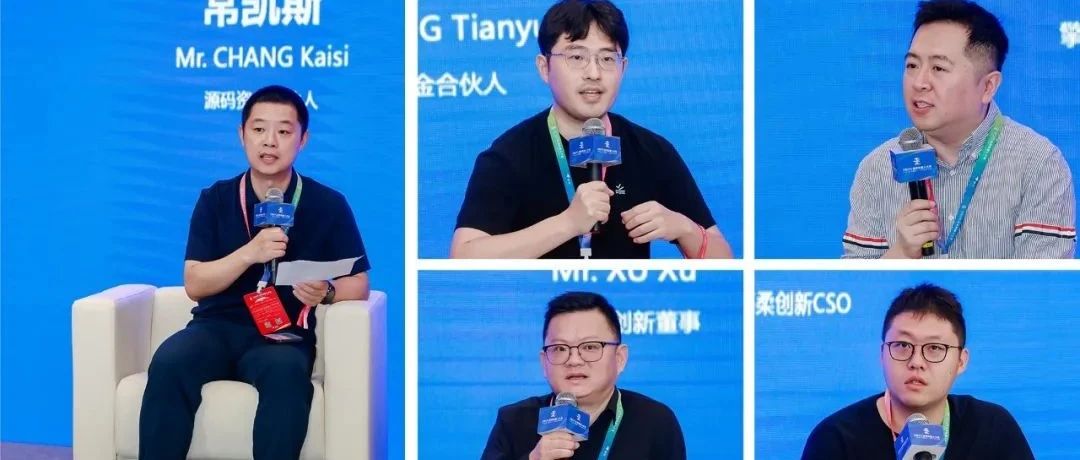
从1.0到2.0时代:锦秋基金臧天宇剖析智能机器人行业投资逻辑
锦秋集· 2025-08-15 14:50
Core Viewpoint - The 2025 World Robot Conference highlighted the rapid development and commercialization challenges in the robotics industry, emphasizing the need for market education and the importance of adapting strategies for different international markets [1][6][16]. Group 1: Industry Challenges and Opportunities - The biggest challenge in the commercialization of robotics is market education, with a distinction between early-stage and later-stage investors focusing on technology and financial metrics respectively [6][7]. - Companies in the robotics sector face pitfalls such as "zero profit" and "long payment terms" in the domestic market, which can severely impact cash flow and operational sustainability [11][12]. - The need for localized strategies when entering overseas markets is critical, as each country presents unique cultural and regulatory challenges that require tailored approaches [16][21]. Group 2: Investment Perspectives - Investors are increasingly interested in the growth predictability, market conversion, and competitive landscape of robotics companies, especially as they progress through multiple funding rounds [8][9]. - The focus of investment shifts from technology validation to financial health and market expansion as companies mature [7][8]. Group 3: Future Predictions - The large-scale application of robotics is anticipated around 2030, with significant advancements in AI and robotics expected to drive this growth [24][28]. - The initial commercial deployment of humanoid robots is likely to occur in industrial and service environments within the next few years, with a gradual acceptance of robots in everyday life [27][28]. Group 4: Key Takeaways from the Roundtable - The roundtable discussions underscored the importance of continuous innovation in product development and the necessity of building a robust supply chain to support the growth of the robotics industry [26][27]. - Participants expressed optimism about the potential of AI and large models to revolutionize the robotics sector, particularly in enhancing operational efficiency and reducing costs [25][30].