泳池清洁机器人

Search documents
水下智能装备企业潜行创新获近亿元C轮融资,持续夯实全球轻型水下机器人领先地位
机器人圈· 2026-03-19 10:14
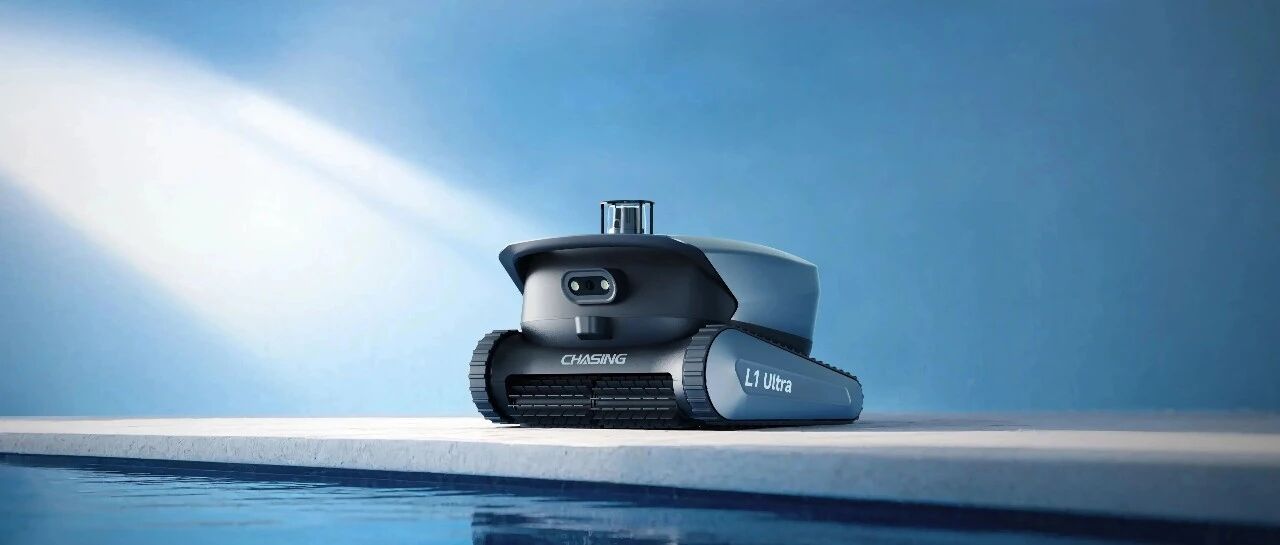
Core Viewpoint - Shenzhen Qianxing Innovation Technology Co., Ltd. has completed nearly 100 million RMB in C-round financing, led by Liwan Capital, to enhance core technology R&D, product iteration, supply chain upgrades, and market expansion [2][9]. Company Overview - Established in 2016, Qianxing Innovation focuses on underwater intelligent equipment, including industry-level and consumer-level underwater robots, portable aquatic intelligent unmanned equipment, and related solutions [2]. - The company has developed a diverse product matrix covering industry-level ROVs, consumer underwater drones, pool cleaning robots, and intelligent fishing drones, and has been recognized as a national "little giant" enterprise [2][5]. - With over 300 employees and more than 400 domestic and international intellectual property rights, the company has launched 8 generations of core products and received over 100 awards globally [2]. Industry Context - The underwater robotics industry is evolving from niche professional equipment to broader industrial and scalable applications, driven by the development of the marine economy and increasing demand for aquatic intelligence [3]. - Capital market interest in underwater intelligent equipment companies with product capabilities, engineering capabilities, and global potential is on the rise [3]. Technological Development - Qianxing Innovation is leveraging Shenzhen's mature hardware supply chain to build core capabilities in flight control systems, motion control, propulsion systems, underwater image processing, and mass production [5]. - The company is innovating by reconstructing underwater robots through electronic, lightweight, and intelligent approaches, moving away from traditional heavy marine equipment logic [5]. - The focus is on enhancing underwater perception, cognition, and autonomous decision-making capabilities, with ongoing advancements in smart anti-flow, control experience optimization, and underwater imaging [6]. Market Positioning - The company has established a clear layout in multiple niche markets, applying its products in emergency rescue, hull inspection, environmental monitoring, and consumer-level underwater imaging and cleaning [8]. - Qianxing Innovation serves over 100 countries and regions globally, building a strong channel foundation and brand recognition in key overseas markets [8]. Future Plans - Post-financing, the company aims to strengthen three areas: core technology R&D and next-generation underwater intelligent robot platform development, product iteration and solution implementation, and supply chain and manufacturing system enhancements [8]. - The CEO emphasized the importance of this financing round as recognition of the potential in underwater technology and the company's core competitiveness, aiming to enhance global market solutions and contribute to China's high-quality marine economy [9][10].

科技好物快速迭代 创新生态高速运转
Nan Fang Du Shi Bao· 2026-02-09 23:17
Core Insights - Shenzhen is emerging as a global leader in the consumer electronics sector, particularly in innovative products like robotic vacuum cleaners and AR glasses, driven by technological advancements and a robust industrial ecosystem [5][9][10]. Group 1: Market Performance and Growth - In the first three quarters of 2025, global shipments of robotic vacuum cleaners reached 17.424 million units, marking an 18.7% year-on-year increase, with Chinese brands dominating the top five positions [6]. - Shenzhen's exports of robotic vacuum cleaners reached 11.12 billion yuan in the first eleven months of 2025, reflecting a significant 71.8% year-on-year growth, with exports to the EU increasing by 121% [7]. - The strategic partnership between Shenzhen's Yunji Technology and European Cyber Group resulted in over 600 million yuan in new overseas orders, indicating strong international demand [6]. Group 2: Industrial Ecosystem and Innovation - Shenzhen has established a comprehensive industrial system that supports rapid product development and market entry, allowing for quick iterations and innovations in technology [11][12]. - The city is home to a vast number of market entities and a complete supply chain, which are crucial for producing high-quality products that gain market recognition [9]. - Shenzhen's strategic focus on 20 emerging industrial clusters has led to a GDP contribution of 43% from these sectors, showcasing the city's commitment to advancing its technological capabilities [10]. Group 3: Entrepreneurial Environment - The entrepreneurial ecosystem in Shenzhen is characterized by a high degree of collaboration between technology companies and educational institutions, facilitating rapid product development and market readiness [13]. - Shenzhen's R&D investment intensity stands at 6.67%, the highest among Chinese cities, with 93% of this funding coming from enterprises, enhancing its competitive edge [12]. - The city has seen a significant increase in specialized and innovative small and medium-sized enterprises, with 347 new "little giant" companies established in 2025, leading the nation [12].

行业深度报告:泳池机器人:渗透空间广阔,关注技术壁垒已显+产品落地兑现的优质企业
KAIYUAN SECURITIES· 2026-01-16 05:44
Investment Rating - The investment rating for the home appliance industry is optimistic (maintained) [1] Core Insights - The report emphasizes the significant growth potential in the pool cleaning robot sector, driven by technological advancements and the emergence of quality enterprises with established products [4][5] - The global pool cleaning robot market is expected to grow at a compound annual growth rate (CAGR) of 15.7% from 2019 to 2024, significantly outpacing the growth of the global pool count [5][18] - The penetration rate of pool cleaning robots is projected to reach 34.2% by 2029, with retail sales expected to hit $4.2 billion during the 2024-2029 period, growing at a CAGR of 11.1% [5][23] Industry Overview - The global pool market is expected to grow steadily, with a projected increase from approximately 32.9 million pools in 2024 to 39.3 million by 2029, reflecting a CAGR of 3.6% [15] - The pool cleaning expenditure is anticipated to rise from $9 billion in 2019 to $12.9 billion in 2024, with a CAGR of 7.5% [22] - The report highlights that the average annual maintenance cost for pool owners is around $1,432, while the average price of pool robots is approximately $600, indicating a cost advantage for robotic solutions [23] Industry Evolution - The report outlines the evolution of pool cleaning robots, noting that the industry has transitioned from early models relying on random navigation to advanced models utilizing laser radar and AI technologies [29][30] - Wireless pool robots are becoming the mainstream, with an expected shipment of 2 million units in 2024, representing 44.5% of total shipments [5][34] Industry Chain - The pool robot industry chain consists of upstream core component manufacturing, midstream machine research and production, and downstream sales and application [40] - Chinese pool cleaning robot companies benefit from concentrated procurement advantages and continuous technological upgrades, enhancing their competitiveness in the global market [42] Beneficiary Companies - The report identifies two key companies: - **Light Peak Technology**: Recently launched two underwater laser radar products, enhancing the capabilities of consumer-grade underwater robots [46][48] - **Wangyuan Technology**: The leading supplier of pool cleaning robots in China, has successfully transitioned to its own brand strategy, with revenue from self-branded products growing significantly [50][63]
泳池清洁机器人行业深度:蓝海扬帆,破局而立
Changjiang Securities· 2026-01-15 11:39
Investment Rating - The report maintains a positive investment rating for the home appliance industry [11] Core Insights - The pool cleaning robot industry is experiencing steady growth, driven by convenience, intelligence, and long-term economic benefits. The penetration rate of pool cleaning robots is significantly increasing, with a notable trend towards cordless products. Domestic companies have established a certain market share due to their strong product, technology, and brand advantages. The report suggests focusing on potential targets with first-mover advantages in the cordless segment [3][9] Industry Scale - The global pool cleaning expenditure has increased from $9 billion in 2019 to $12.9 billion in 2024, with an expected rise to $16.7 billion by 2029, reflecting a compound annual growth rate (CAGR) of 7.47% from 2019 to 2024 and approximately 5.30% from 2024 to 2029. The penetration rate of pool cleaning robots is projected to rise from 26.2% in 2024 to 34.2% in 2029 [6][23][31] Competitive Landscape - The pool cleaning robot market is currently dominated by traditional overseas leaders, with Maytronics and Fluidra holding market shares of 34.8% and 18.5% respectively in 2024. In the cordless segment, the competition is more fragmented, with the top five manufacturers being Chinese companies. The report categorizes market players into three groups: traditional leaders, emerging players with advantages in cordless technology, and new entrants [7][45][46] Competitive Factors - The technology path for pool cleaning robots is not yet fully defined, and operational capabilities are fundamental. The complexity of underwater operations requires advanced sensor technologies, with some manufacturers exploring new solutions such as AI and laser radar for navigation. The offline sales channel accounts for about 64% of total sales, with domestic companies like Yuandian Intelligent leading in this area [8][19][40] Investment Suggestions - The report recommends focusing on potential targets with first-mover advantages in the cordless field, as the market for pool cleaning robots is expected to continue growing due to increasing penetration rates and the demand for advanced cleaning solutions [9][19]
3%退货率,这台泳池机器人的“异类”硬件哲学|50×50
Tai Mei Ti A P P· 2026-01-15 06:23
Industry Overview - The global market for private pool cleaning services is valued at $12.9 billion, with a significant portion relying on manual or semi-automatic cleaning methods, costing over $120 per service [2] - The pool cleaning robot market is projected to grow at an annual rate of 16%, reaching $2.5 billion by 2025, with the wireless product segment expected to dominate [2] - The shipment of wireless pool cleaning robots is forecasted to increase from less than 300,000 units in 2019 to 2.5 million units by 2025, with a compound annual growth rate exceeding 80% [2] Competitive Landscape - Maytronics, established in 1983, holds a 34.8% market share and is a leading player in the global pool cleaning robot market, particularly in the Dolphin series [3] - Chinese companies are rapidly gaining market share, with an expected total shipment of over 10 million pool robots in 2025, a 25% increase from 2024 [3] - The industry faces challenges, including high return rates averaging 15%, driven by complex product features and high logistics costs [3] Company Spotlight: Si Auto - Si Auto, founded in October 2021, has achieved a shipment of nearly 100,000 pool robots in 2024, with over 20,000 units delivered in the first half of 2025 [4] - The company boasts a remarkably low return rate of 3.85%, significantly below the industry average, indicating strong product quality [4][15] - Si Auto has secured several rounds of financing, including a recent B round of several hundred million yuan, to support technology development and market expansion [5] Technological Innovations - Si Auto's competitive edge lies in its unique manufacturing philosophy and technological advancements, particularly in motor, sensing, and sealing technologies [10] - The company has developed a proprietary brushless motor with a lifespan of 2000 cycles, four times the industry average, at a cost of only 20-28 yuan per unit [10] - Si Auto has shifted from optical cameras to acoustic technology for sensing, significantly improving performance in low-light conditions and murky water [11] Product Philosophy - Si Auto adopts a minimalist product philosophy, focusing on essential features rather than adding unnecessary complexity, which aligns with consumer needs for reliability and cost-effectiveness [12] - The company plans to expand its product line to include interest-based devices, leveraging user engagement through software interactions [13] - Si Auto's marketing strategy relies on organic growth through product quality and customer satisfaction rather than aggressive advertising [14] Market Strategy - Si Auto has established a "passive" globalization strategy, initially focusing on Amazon self-operated sales and gradually expanding to other channels [15] - The collaboration with Maytronics has enhanced Si Auto's market recognition and distribution capabilities, further solidifying its position in the high-end market [15] - The company's approach emphasizes the importance of product performance and reliability over traditional marketing tactics, leading to a strong reputation and customer loyalty [16]

技术为底,渠道为王,元鼎智能的全球共赢智慧
雷峰网· 2026-01-09 00:31
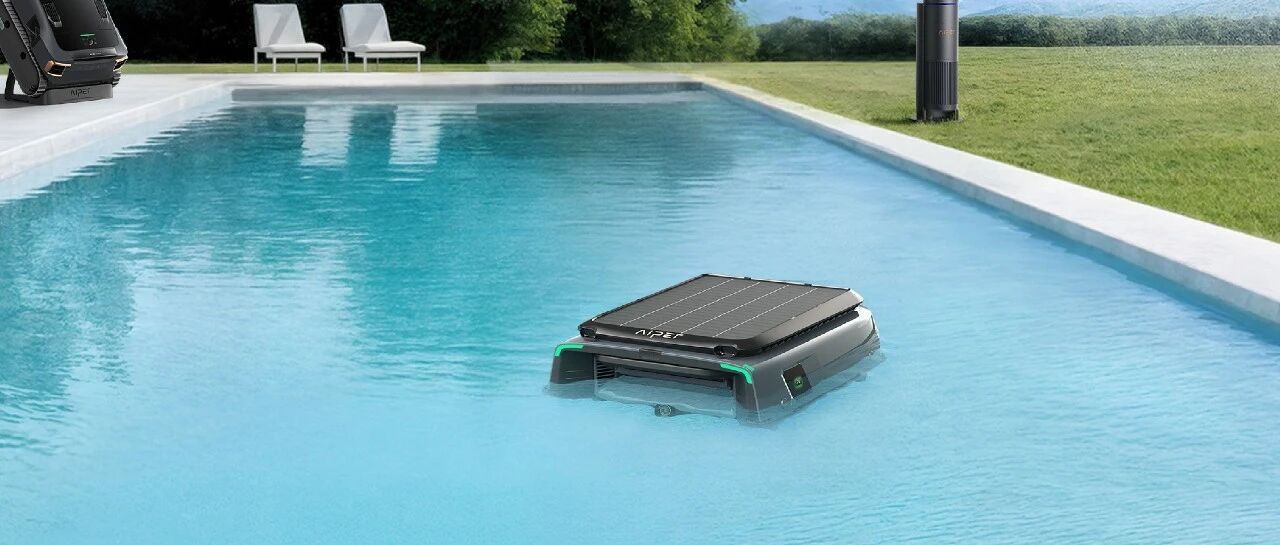
Core Viewpoint - The article emphasizes that true internationalization goes beyond merely capturing market share; it involves gaining widespread recognition and long-term respect through collaborative wisdom [1]. Group 1: Industry Competition - The competition in the pool cleaning robot industry is evolving from a focus on product and technology to a comprehensive battle over funding and channel capabilities, which are often more critical to the outcome [4][3]. - Major players have established formidable competitive barriers across various dimensions, making it difficult for challengers to catch up [2]. - Aiper (元鼎智能) has raised nearly 1 billion RMB in funding, setting a new industry benchmark and demonstrating that substantial financial resources are essential for strategic positioning [5]. Group 2: Technological Innovation - Aiper has led industry transformation by launching six advanced AI pool robot models at CES 2026, showcasing the future of smart pool and garden care [6]. - The company has skipped a generation in technology, moving directly to fifth-generation products that integrate physical cleaning and water quality management, thus achieving a significant lead in the industry [8]. - Continuous investment in technology has allowed Aiper to build a comprehensive smart ecosystem that includes pool cleaning, water quality management, and smart irrigation [8]. Group 3: Strategic Partnerships - Aiper has formed strategic partnerships with global leaders Fluidra and SCP, enhancing its global logistics, distribution networks, and service capabilities [9][11]. - These collaborations not only broaden Aiper's sales channels but also provide efficient access to European and American pool service providers, enhancing user insights and product iteration [14]. - The partnerships signify a shift in the competitive landscape of the pool cleaning robot industry, establishing Aiper as a key player [14]. Group 4: Market Positioning - Aiper has become the top-selling pool cleaning robot company globally, achieving significant market share during key sales events like Amazon Prime Day [17]. - The company has successfully penetrated major retail chains, including Walmart, Best Buy, and Costco, demonstrating its strong brand presence and sales performance [17]. - The traditional pool equipment market is characterized by a reliance on professional channels, which Aiper is strategically targeting to establish deeper connections with local consumers [18][20]. Group 5: Globalization Strategy - Aiper's approach to globalization emphasizes resource integration rather than a solitary push into foreign markets, providing a more sustainable growth model [27]. - The company has focused on building internal capabilities while forming external alliances, which is seen as a long-term strategy for quality growth [28]. - Aiper's success in the pool cleaning robot sector is attributed to its early strategic positioning and resource accumulation, allowing it to navigate industry challenges effectively [28].
朝闻国盛:对当前房地产困境的三点思考
GOLDEN SUN SECURITIES· 2026-01-09 00:08
Group 1: Core Conclusions - The report presents three key thoughts on the current real estate dilemma, emphasizing that the existing supply exceeds demand, making "net supply" reduction crucial for stabilizing the market [2] - The report highlights that second-hand housing prices provide stronger guidance and leading signals compared to new housing prices, which can be understood from the perspectives of supply, demand, price, and policy [2] - It stresses the importance of recognizing the tail risks associated with the current real estate adjustment, particularly concerning developers, homebuyers, and banks, indicating potential risks may concentrate on banks, especially smaller banks [2] Group 2: Policy Recommendations - Four feasible policy measures are suggested to reduce net supply: optimizing land acquisition, revitalizing distressed and idle properties for public service needs, accelerating the replacement of aging housing, and allowing market forces to phase out "ghost town" housing in lower-tier cities [2] Group 3: Industry Performance Insights - The report provides insights into industry performance, noting that the defense and military industry showed a 59.9% increase over the past year, while the non-ferrous metals sector increased by 103.4% [1] - It also indicates that the banking sector experienced a decline of 2.3% in January, with a modest annual growth of 6.3%, reflecting ongoing challenges in the financial landscape [1]
家电轻工2026年策略报告:重点关注内需供给优化,外需新品类新市场-20260108
GOLDEN SUN SECURITIES· 2026-01-08 07:57
Group 1: Industry Overview - The home appliance and light industry in 2026 should focus on four investment themes: domestic demand supported by old-for-new policies, supply-side improvements in the power bank industry, and the rise of niche consumer products in service consumption [1] - The white goods sector is expected to benefit from the old-for-new policy, with a significant increase in consumer spending projected [44] - The overall performance of the light industry outperformed the CSI 300 index, with a cumulative increase of 24.68% from January to December 2025 [12][15] Group 2: Key Companies - Midea Group is developing a second growth curve through its B-end business, particularly in data center liquid cooling, which shows significant potential [2] - Haier Smart Home is enhancing its operational system through a data-driven approach, improving competitiveness across product, cost, and supply chain [2] - TCL Electronics and other companies in the black goods sector have shown strong performance, benefiting from the old-for-new subsidy policy [21] Group 3: Market Trends - The power bank industry is expected to see improved market conditions due to new regulations, which will raise industry standards and potentially eliminate many low-quality brands [2] - The "Guzi economy" is tapping into emotional consumption needs, with domestic IP supply increasing and consumer spending on IP expected to grow significantly [3] - The folding bicycle market is transitioning from niche to mainstream, with significant growth potential driven by urban mobility needs [3] Group 4: Export and New Markets - The export chain is gradually recovering from tariff disruptions, with a focus on companies that have strong overseas production capabilities to mitigate tariff risks [3] - New product categories, such as pool cleaning robots, have substantial growth potential, with Chinese companies expected to increase their market share [3] - Emerging markets in Africa and Latin America present new opportunities for multinational hygiene product companies [3]


望圆科技赴港冲刺“泳池机器人第一股”, 产品×渠道×技术引领全球泳池清洁革命
Ge Long Hui· 2026-01-06 01:03
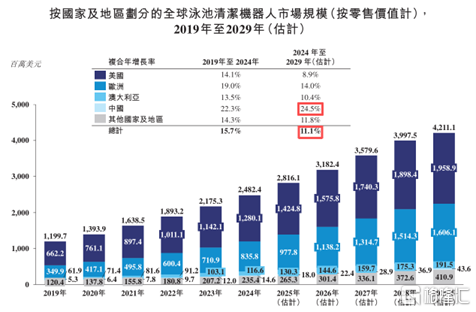
Core Viewpoint - The robot industry has entered a phase of accelerated capitalization since 2025, with companies like Tianjin Wangyuan Intelligent Technology Co., Ltd. (Wangyuan Technology) preparing for an IPO on the Hong Kong Stock Exchange, highlighting the growing interest in the pool cleaning robot sector [1] Group 1: Company Overview - Wangyuan Technology is a leading supplier of pool cleaning robots, focusing on R&D, design, production, and sales, aiming to drive the intelligent upgrade of the global pool cleaning and maintenance industry with AI-driven products [1] - The company has achieved significant technological advancements over the past 15 years, including the introduction of lightweight products in 2009, cable-free products in 2014, and AI-driven products in 2023, positioning itself at the forefront of the industry [2] Group 2: Product and Market Position - Wangyuan Technology offers a comprehensive product range with 48 major models, covering entry-level to flagship products, catering to various pool cleaning needs from residential to commercial applications [2] - The company has established a global sales network through cross-border e-commerce platforms, independent sites, and offline stores, with products available in 60 countries, particularly strong in North America, Europe, Asia, and Oceania [3] Group 3: Financial Performance - In the first half of 2025, Wangyuan Technology reported revenue of 379 million yuan, a year-on-year increase of 41.6%, and a net profit of 61.08 million yuan, up 24.9% [3] Group 4: Technological Edge - The company's competitive advantage lies in its robust technological foundation, with over 160 registered patents, including 27 invention patents, and certifications such as ISO9001, CE, RoHS, ETL, and CETL [4] - Wangyuan Technology's recent launch of the AI-driven WYBOT S3 at the Barcelona International Pool Show has set a new benchmark in the industry, further solidifying its technological leadership in cable-free pool cleaning robots [5] Group 5: Industry Growth and Trends - The global pool cleaning robot market is projected to grow from $1.2 billion in 2019 to $2.48 billion by 2024, with a compound annual growth rate (CAGR) of approximately 15.7%, while the Chinese market is expected to grow at a CAGR of 24.5% over the next five years [5][7] - The penetration rate of pool cleaning robots in China is currently around 7.9%, significantly lower than in developed countries, indicating substantial growth potential as demand for intelligent cleaning solutions increases [7] Group 6: Future Outlook - With the ongoing shift towards cable-free and intelligent solutions in the pool cleaning robot industry, Wangyuan Technology is well-positioned to capitalize on market expansion and structural upgrades, potentially enhancing its market share and profitability [9] - The company is expected to benefit from the "Artificial Intelligence +" strategy, further integrating AI into its products and establishing itself as a representative model in the "smart pool" sector [10]
苏州:打造最具创新气质的跨年夜
Sou Hu Cai Jing· 2026-01-01 10:39
Core Insights - Suzhou is positioning itself as a leading city for One Person Companies (OPC) and innovation, hosting the "OPC Suzhou Night" event to foster entrepreneurship among youth and AI entrepreneurs [1][3][13] - The event showcased 36 high-quality projects from top universities, emphasizing Suzhou's commitment to building an ecosystem for AI and entrepreneurship [5][12] Group 1: Event Overview - The "OPC Suzhou Night" gathered over 1,500 participants, including entrepreneurs, students, and investors, to celebrate innovation and entrepreneurship [1][3] - The event featured project roadshows and discussions on entrepreneurship, providing a platform for young talents to connect with resources and opportunities [1][5] Group 2: OPC Concept and Development - OPC stands for One Person Company, a model where individuals leverage AI tools for tasks like code generation and content creation, focusing on strategic decision-making [3][5] - Suzhou aims to become the "OPC Entrepreneurial Preferred City," with plans to establish over 50 OPC communities and support the growth of 1,000 OPC enterprises by 2028 [5][12] Group 3: Project Showcases - The event included 36 projects from various fields such as intelligent robotics and AI applications, with 19 projects presented live [5][6] - Notable companies, referred to as Suzhou's "Ten Little Tigers," shared their entrepreneurial journeys and contributions to the OPC model [6][10] Group 4: Talent and Collaboration Initiatives - The "Hundred Schools Thousand Enterprises" alliance was formed to enhance collaboration between universities and businesses, focusing on student employment and technology transfer [13][15] - The alliance includes 119 key universities and over 1,000 quality enterprises, aiming to integrate talent, innovation, and industry needs [15][16] Group 5: Global Outreach - Suzhou is actively inviting global youth to participate in its entrepreneurial ecosystem, showcasing its vibrant AI industry and investment opportunities [13][16] - The city organized visits for over 200 international students to explore its AI industry clusters, facilitating connections with local enterprises and investment institutions [15][16]