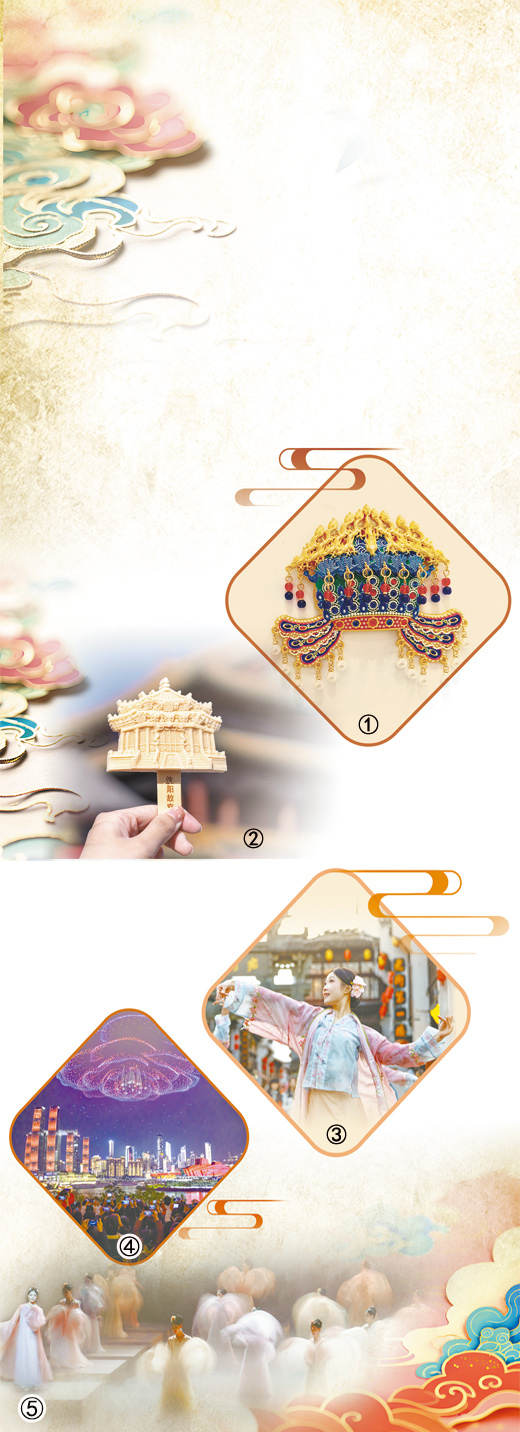
新韵重庆无人机灯光秀

Search documents
民宿平均入住率近九成!央视《新闻联播》提及普洱景迈山
Xin Lang Cai Jing· 2026-02-01 16:12
Core Viewpoint - The integration of culture and tourism is emphasized as a key strategy for high-quality development in China's economy, with a focus on enhancing consumer markets and enriching people's cultural lives [1][4]. Group 1: Cultural and Tourism Integration - The Chinese government aims to promote the cultural tourism industry as a pillar of the economy and a means to improve people's quality of life, as highlighted by President Xi Jinping [1]. - The "14th Five-Year Plan" year marks a significant push for policy support and resource integration in the cultural tourism sector, leading to accelerated development [1][4]. - The cultural tourism market is thriving, with a blend of traditional and modern elements appealing to younger audiences, showcasing the vibrancy of Chinese culture [1]. Group 2: Regional Developments and Initiatives - In Nanjing, the Qinhuai Lantern Festival, a national intangible cultural heritage, features nearly 400 light displays that incorporate historical and cultural themes, enhancing the festive atmosphere as the Spring Festival approaches [2]. - Various regions, including Chongqing and Yunnan, are leveraging technology and cultural heritage to attract tourists, with significant increases in visitor numbers and local economic activity [2][3]. - Beijing and Fujian are launching numerous cultural tourism activities and measures to create immersive experiences and new consumption patterns in the cultural tourism landscape [3]. Group 3: Economic Impact and Future Prospects - The integration of culture and tourism is not only revitalizing consumer activity but also enriching the spiritual and cultural lives of millions, contributing to social progress [4]. - The shift from market cultivation to rapid growth in the cultural tourism sector is expected to lay a solid foundation for building a culturally strong nation during the "14th Five-Year Plan" period [4].
中华审美点亮现代生活(古韵国风 顶流审美)
Ren Min Ri Bao· 2026-01-07 00:50
Core Viewpoint - The article highlights the rising trend of traditional Chinese culture, particularly among the youth, showcasing how elements like dance, fashion, and technology are merging to create a vibrant cultural landscape that resonates with modern aesthetics [6][9][10]. Group 1: Cultural Events and Performances - The dance drama "Peony Pavilion" has gained significant popularity, with 56 performances across 17 cities, attracting a predominantly young audience [7][9]. - The performance utilizes contemporary dance to reinterpret a classic story, emphasizing emotional resonance and visual impact through innovative staging and multimedia [8][10]. - The integration of traditional themes with modern elements reflects a broader cultural confidence and a desire for innovation within the arts [9][10]. Group 2: Fashion and Consumer Trends - The rise of Hanfu (traditional Chinese clothing) has transformed from a niche interest to a mainstream lifestyle choice, with significant market demand and participation from young consumers [12][13]. - The Hanfu market in Cao County is projected to exceed 13 billion yuan in sales by 2025, indicating robust growth and interest in traditional attire [13]. - Young designers are increasingly blending traditional designs with modern aesthetics, making Hanfu more accessible and appealing for everyday wear [13][14]. Group 3: Technology and Cultural Integration - The "New Rhythm Chongqing" drone light show exemplifies the fusion of traditional cultural symbols with modern technology, attracting millions of viewers and showcasing a unique blend of art and innovation [16][17]. - The use of drones and multimedia in performances allows for dynamic presentations of traditional motifs, enhancing audience engagement and cultural participation [17][19]. - The trend of integrating technology with cultural expressions is expected to continue evolving, with potential for further innovation in how traditional culture is preserved and presented [19].