舞剧《牡丹亭》

Search documents
舞剧《牡丹亭》焕新上演 再现至情之美
Yang Shi Wang· 2026-02-02 11:59
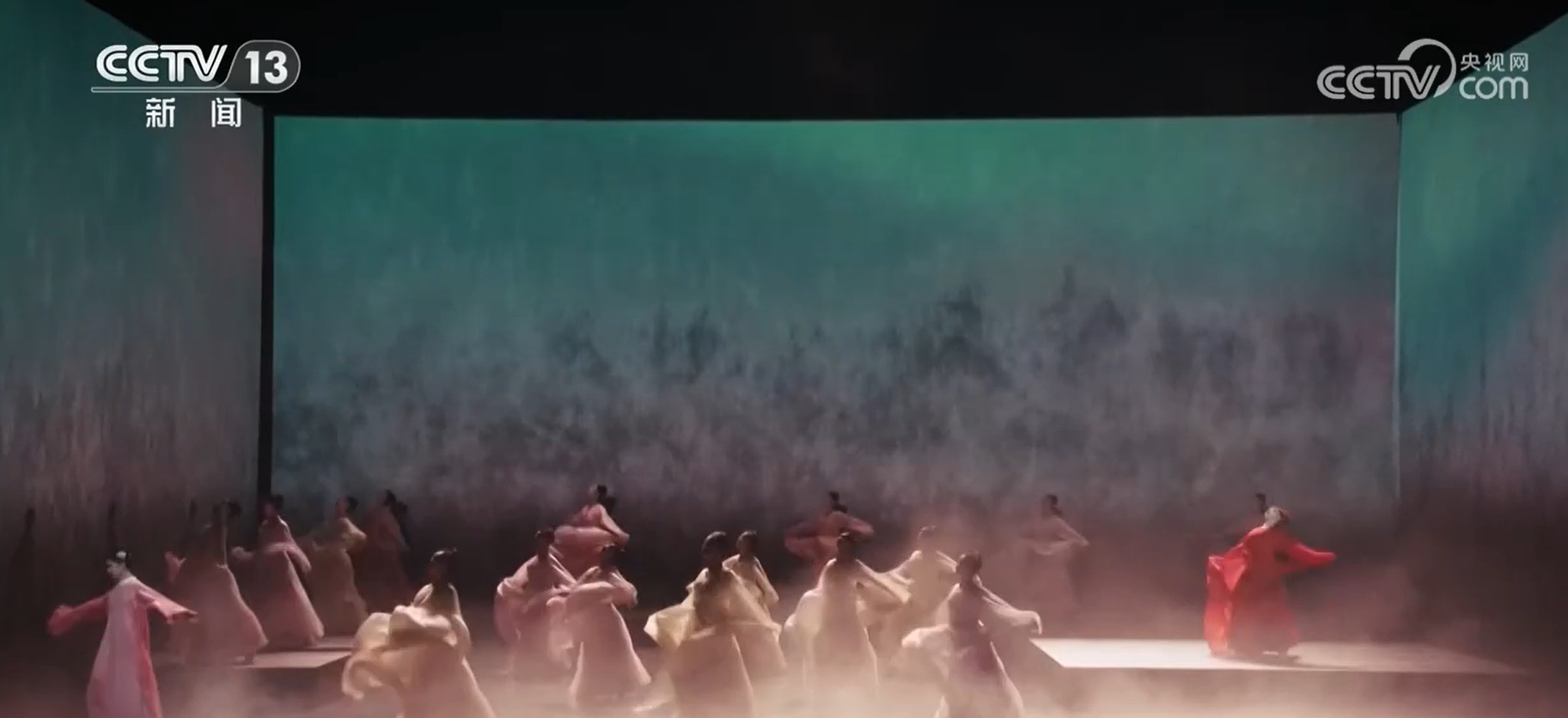
Core Viewpoint - The dance drama "Peony Pavilion" presents a unique challenge by relying solely on physical language for expression, while integrating contemporary dance elements to innovate in narrative, stage design, and character portrayal, creating an "emotionally beautiful" Eastern dream [2] Group 1 - The design of the extended stage, symbolizing "Peony Pavilion," enhances the connection between the audience and performers, fostering emotional resonance [2] - Since its premiere in April 2025, "Peony Pavilion" has received 100 touring invitations from domestic theaters, completing performances in 21 cities, with nearly 70% of the audience being under 35 years old [4] - The creative team aims to convey the message that "each generation has its own Peony Pavilion," showcasing the enduring relevance of Chinese traditional culture through bold adaptations [4]

用舞蹈演绎“至情”经典,舞剧《牡丹亭》登陆北京
Xin Lang Cai Jing· 2026-02-01 15:14
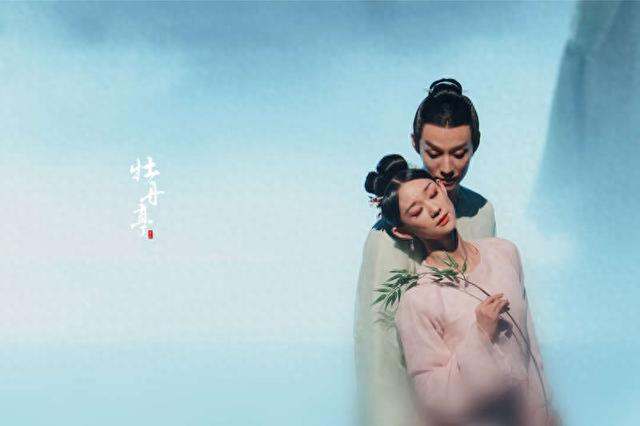
Core Viewpoint - The dance drama "Peony Pavilion," produced by Suzhou Cultural Investment Group and He Drama, has successfully completed its 70th performance at the Poly Theatre in Beijing, indicating strong audience engagement and interest in traditional cultural adaptations [1]. Group 1: Production Details - "Peony Pavilion" is directed by young dance artist Li Xing and young choreographer Huang Jiayuan, featuring dancers such as Hu Jie, Luo Yuwen, Li Qian, Huang Huihui, and Wang Shengxi [3]. - The work is adapted from the Ming Dynasty playwright Tang Xianzu's legendary script "Peony Pavilion," focusing on the love story between Du Liniang and Liu Mengmei, transcending life and death [3]. Group 2: Creative Process - The creative team spent 20 months on the production, emphasizing innovation in narrative, stage design, and character portrayal while respecting the essence of the original work [5]. - The challenge of expressing the story solely through movement, without dialogue, tested the creative team's skills [5]. Group 3: Audience Engagement - Since its premiere, the production has toured 21 cities with 66 performances, attracting nearly 70% of audiences aged 35 and under, reflecting a trend where traditional culture resonates with younger generations [7]. - The production embodies the idea that "each generation has its own Peony Pavilion," showcasing the integration of traditional and modern elements in contemporary cultural expressions [7]. Group 4: Artistic Interpretation - The theme of "deep and unknowing love" is uniquely expressed in the production, resonating with contemporary audiences [7]. - The directors emphasize the importance of maintaining a sense of purity in emotions, with ongoing exploration of the meaning of "true feelings" throughout the creative journey [7]. Group 5: Upcoming Performances - The dance drama "Peony Pavilion" is scheduled to perform at the 54th Hong Kong Arts Festival from March 27 to 29, serving as the closing act of the festival with four performances [10].
罗昱文称牡丹亭会带来前所未有体验
Xin Lang Cai Jing· 2026-02-01 11:05
Group 1 - The dance drama "Peony Pavilion" is currently being performed at the Poly Theatre in Beijing, directed by young dance artist Li Xing and young director Huang Jiayuan [1] - The cast includes dancers such as Hu Jie, Luo Yuwen, Li Qian, Huang Huihui, and Wang Shengxi, showcasing a blend of talent [1] - Dancer Luo Yuwen emphasizes the importance of accurately portraying the character Liu Mengmei by revisiting the original text and observing multiple versions of Kunqu opera "Peony Pavilion" [1] Group 2 - Luo Yuwen describes Liu Mengmei as a character with both a sense of responsibility in facing challenges and an innocent "youthful spirit" [1] - The unique mirror stage design provides a new experience for both the audience and the performers, enhancing the overall performance [1] - The choreography involves a duet on an extended stage, where performers initially approach the limited space cautiously but gradually become more expressive in their movements and emotions [1]
舞剧《牡丹亭》一票难求,以当代艺术演绎跨越四百年的“至情”
Xin Lang Cai Jing· 2026-02-01 10:01
Core Viewpoint - The contemporary dance drama "Peony Pavilion," directed by Li Xing and Huang Jiayuan, has garnered significant attention and demand, showcasing a creative transformation of traditional Chinese culture through modern artistic expression [1][3]. Group 1: Creative Direction and Innovation - The dance drama focuses on the theme of "the awakening of female consciousness" through the love story of Du Liniang and Liu Mengmei, emphasizing the relevance of Tang Xianzu's belief in deep emotions [3][5]. - The production team spent 20 months on the creation, innovating in narrative, stage design, and character portrayal while respecting the essence of the original work [3][5]. - The stage design features a mirror platform extending into the audience, breaking traditional boundaries and creating an immersive experience [5]. Group 2: Aesthetic and Emotional Expression - The aesthetic of the dance drama is described as "restrained flamboyance," aiming for maximum emotional intensity through minimalistic visual forms [5]. - The choreography emphasizes "leaving space," allowing for genuine emotional encounters between characters without relying on elaborate technical effects [5][10]. - The performers infuse their characters with depth, with Hu Jie portraying Du Liniang as a figure of self-awakening and freedom, while Luo Yuwen's portrayal of Liu Mengmei reflects both responsibility and youthful innocence [7][10]. Group 3: Thematic Resonance and Audience Connection - The production aims to resonate with contemporary audiences by exploring timeless themes of love and self-discovery, making classical literature relevant in today's context [10][11]. - The character of the Flower Spirit, played by Li Qian, serves as a bridge between the past and present, embodying both divine and human qualities, enhancing the emotional connection between characters [10]. - The directors emphasize the importance of continuously reinterpreting classical themes to keep them alive and relevant on stage [10].
古典诗意与当代审美的无声对话
Xin Lang Cai Jing· 2026-02-01 06:55
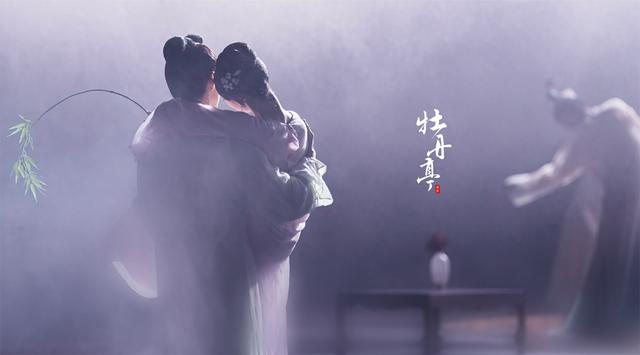
Core Perspective - The dance drama "Peony Pavilion," produced by Suzhou Cultural Investment Group and He Drama, presents a modern interpretation of the classic Chinese play, focusing on the themes of love and life through a purely physical expression without dialogue [1][3]. Group 1: Production and Artistic Elements - The production is based on Tang Xianzu's Ming dynasty play "Peony Pavilion," emphasizing a narrative that centers on six core characters, particularly Du Liniang, exploring a love story that transcends life and death [1]. - The stage design features a 3.5-meter mirror extension platform that reflects light and movement, enhancing the emotional connection between the performers and the audience [2]. - The visual aesthetics of the performance utilize simplicity, with minimalistic costumes and set design that evoke a sense of profound meaning, allowing the dance to convey emotions effectively [2]. Group 2: Thematic Exploration - The dance drama goes beyond a mere love story, using motifs like "mirror" and "flower" to delve into themes of self-identity and the value of life, with recurring mirror scenes symbolizing Du Liniang's yearning for freedom [3]. - The red flower, which is picked by various characters, symbolizes the awakening of individual will and natural vitality, suggesting a collective human desire to transcend feudal constraints [3]. - The performance represents a dialogue between classical poetry and contemporary aesthetics, showcasing the enduring relevance of "Peony Pavilion" in modern artistic expressions [3].
舞剧《牡丹亭》:一次对中国传统经典的深情转译
Xin Lang Cai Jing· 2026-01-31 22:36
Core Viewpoint - The dance drama "Peony Pavilion," produced by Suzhou Cultural Investment Group and He Drama, presents a modern interpretation of the classic Chinese tale, focusing on themes of love and life through a purely physical expression without dialogue [1][3]. Group 1: Production and Themes - The drama is based on Tang Xianzu's "Peony Pavilion" and centers on six key characters, exploring a love story that transcends life and death [3]. - The narrative is divided into two parts: "Dream Scroll," depicting Du Liniang's journey of self-discovery, and "Picture Scroll," illustrating Liu Mengmei's unwavering pursuit of love [3]. Group 2: Artistic Innovation - The production challenges traditional forms by relying solely on dance to convey emotions, integrating contemporary dance elements while respecting the original text [3][5]. - The stage design features a 3.5-meter mirror extension platform named "Peony Pavilion," enhancing audience engagement and emotional interaction [5]. Group 3: Visual and Emotional Elements - The visual aesthetics are characterized by simplicity, with a focus on the emotional depth conveyed through minimalistic costumes and set design [5]. - The choreography effectively uses pauses to enhance emotional resonance, creating powerful visual moments that reflect the characters' inner struggles and connections [7]. Group 4: Deeper Exploration - The drama goes beyond a mere love story, using symbols like mirrors and flowers to delve into themes of self-identity and the value of life [7]. - The recurring mirror scenes symbolize Du Liniang's yearning for freedom, while the red flower represents the awakening of individual will and natural vitality [7].
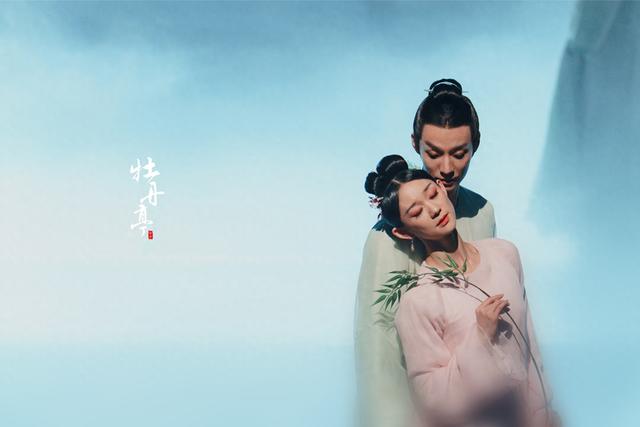
艺绽|青年舞蹈家胡婕解读杜丽娘
Xin Lang Cai Jing· 2026-01-31 06:03
Core Viewpoint - The dance drama "Peony Pavilion" will be performed from January 29 to February 1 at the Poly Theatre in Beijing, featuring a contemporary reinterpretation of the classic work by Tang Xianzu, focusing on themes of love and self-awakening [1] Group 1 - The production is directed by young dance artist Li Xing and young choreographer Huang Jiayuan, with notable performances by dancers Hu Jie, Luo Yuwen, Li Qian, Huang Huihui, and Wang Shengxi [1] - The narrative emphasizes the character Du Liniang's journey of self-discovery and her quest for freedom and pure love, resonating with the aspirations of women across different eras [1]
演出谢幕为何成就“高光时刻”
Xin Lang Cai Jing· 2026-01-14 21:48
Core Viewpoint - The phenomenon of "curtain call" has evolved from a mere formality to a significant emotional connection between the audience and the performance, reshaping the relationship between viewers and the stage [2][4]. Group 1: Evolution of Curtain Call - The curtain call has transitioned from a basic ritual to an emotional resonance, as highlighted by the director of the dance drama "Dream of the Red Chamber," who notes that it now serves as a moment of shared feelings rather than just a performance display [2][5]. - Social media has amplified the popularity of curtain call moments, with audiences actively seeking and sharing these highlights, leading to a new trend termed "curtain call culture" [2][3]. - The emotional impact of curtain calls is evident, as audiences express that they attend performances primarily for these climactic moments, indicating a shift in viewing motivations [2][3]. Group 2: Audience Engagement and Artistic Expression - The "curtain call" phenomenon has broadened the audience base and serves as an opportunity for art promotion, encouraging more people to engage with theatrical performances [3][4]. - Innovative approaches, such as performers interacting with the audience during curtain calls, have blurred the lines between stage and audience, enhancing emotional connections [3][4]. - The integration of social media allows for the re-creation and sharing of curtain call moments, extending the life and reach of the performance beyond the theater [2][3]. Group 3: Commercialization and Artistic Integrity - There is a concern that the emphasis on curtain calls as a marketing tool may lead creators to prioritize spectacular endings over the overall depth and quality of the work [4][5]. - The director of "Dream of the Red Chamber" emphasizes that impactful moments must arise naturally from the narrative, warning against designing curtain calls solely for audience attraction [5]. - Critics urge a balanced approach, advocating for the importance of substantial artistic content while leveraging curtain calls for audience engagement, suggesting that the focus should remain on the narrative and aesthetic logic of the work [5].
跨年夜“刷屏”,青春舞步如何跳活《牡丹亭》
Zhong Guo Qing Nian Bao· 2026-01-10 23:23
Core Viewpoint - The dance drama "Peony Pavilion," adapted from the classic literary work, successfully merges traditional aesthetics with contemporary expression, appealing to modern audiences and showcasing the timeless nature of classical culture [3][12][14]. Group 1: Adaptation and Presentation - The creative team condensed the original 55 scenes into 35, focusing on six core characters to construct a narrative structure that balances dream and reality [4][5]. - The dance drama emphasizes physical expression over dialogue, allowing the audience to perceive the emotional journey of the characters through movement [4][6]. - The performance at the Bilibili New Year's Eve gala highlighted the team's commitment to making classical aesthetics accessible to younger viewers, optimizing the presentation for a large screen [6][7]. Group 2: Character Interpretation - The portrayal of Du Liniang by actress Hu Jie reflects a deep transformation, emphasizing her as a symbol of life and rebellion against societal constraints [8][10]. - The character of the Flower God, played by Li Qian, adds a new dimension to the narrative, representing both a guide and a witness to the love story, enhancing its universal themes [11]. - Zhang Yin's role as Chunxiang showcases the contrast between youthful freedom and the constraints faced by Du Liniang, driving the plot forward through emotional expression [11]. Group 3: Audience Engagement and Cultural Impact - The increasing popularity of classical dance dramas among young audiences has encouraged the creative team to engage with them through various platforms, including universities [12][13]. - The integration of contemporary elements into classical themes allows for emotional resonance and connection with modern viewers, demonstrating the relevance of traditional culture [13][14]. - The success of "Peony Pavilion" illustrates that classical works can be revitalized through innovative interpretations, ensuring their continued impact in contemporary society [14].
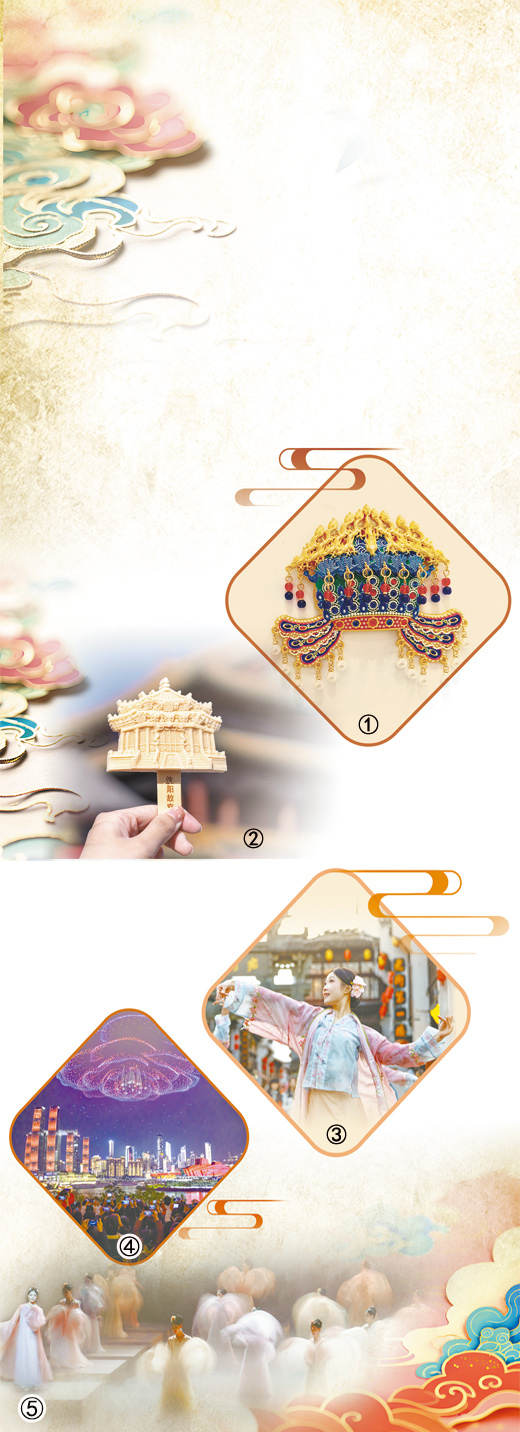
中华审美点亮现代生活(古韵国风 顶流审美)
Ren Min Ri Bao· 2026-01-07 00:50
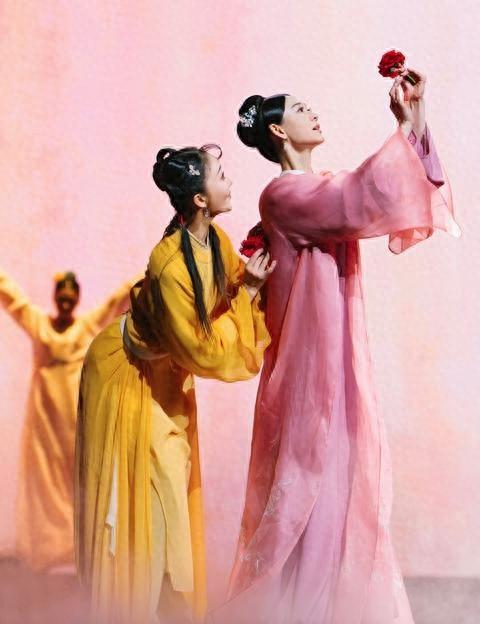
Core Viewpoint - The article highlights the rising trend of traditional Chinese culture, particularly among the youth, showcasing how elements like dance, fashion, and technology are merging to create a vibrant cultural landscape that resonates with modern aesthetics [6][9][10]. Group 1: Cultural Events and Performances - The dance drama "Peony Pavilion" has gained significant popularity, with 56 performances across 17 cities, attracting a predominantly young audience [7][9]. - The performance utilizes contemporary dance to reinterpret a classic story, emphasizing emotional resonance and visual impact through innovative staging and multimedia [8][10]. - The integration of traditional themes with modern elements reflects a broader cultural confidence and a desire for innovation within the arts [9][10]. Group 2: Fashion and Consumer Trends - The rise of Hanfu (traditional Chinese clothing) has transformed from a niche interest to a mainstream lifestyle choice, with significant market demand and participation from young consumers [12][13]. - The Hanfu market in Cao County is projected to exceed 13 billion yuan in sales by 2025, indicating robust growth and interest in traditional attire [13]. - Young designers are increasingly blending traditional designs with modern aesthetics, making Hanfu more accessible and appealing for everyday wear [13][14]. Group 3: Technology and Cultural Integration - The "New Rhythm Chongqing" drone light show exemplifies the fusion of traditional cultural symbols with modern technology, attracting millions of viewers and showcasing a unique blend of art and innovation [16][17]. - The use of drones and multimedia in performances allows for dynamic presentations of traditional motifs, enhancing audience engagement and cultural participation [17][19]. - The trend of integrating technology with cultural expressions is expected to continue evolving, with potential for further innovation in how traditional culture is preserved and presented [19].