
秦淮灯会

Search documents
“以灯指路”“以灯引流”“以灯聚商”——
Nan Jing Ri Bao· 2026-02-27 02:42
Core Insights - The Qinhuai Lantern Festival has evolved into a significant economic engine, driving employment, cultural export, and urban industrial upgrades, showcasing a complete "lantern industry" chain [1][4][11] Group 1: Economic Impact - The festival attracted approximately 3.962 million visitors during the Spring Festival, marking a 15.5% increase year-on-year, which directly translates into revenue for the festival and related businesses [3][6] - The festival's commercialization has led to a projected visitor count of over 90 million and a total cultural tourism revenue exceeding 92 billion yuan by 2025, maintaining the top position in the city [6][11] Group 2: Cultural and Artistic Heritage - The lantern festival is rooted in local craftsmanship, with artisans like Lu Min and Chen Ying producing thousands of lanterns, reflecting a thriving "handicraft economy" [2][3] - The festival has transitioned from merely showcasing products to a sustainable model that combines cultural dissemination with economic viability, as seen in international events like the upcoming "Brilliant China (Sere—Nanjing) Qinhuai Lantern Festival" in France [4][5] Group 3: Business Development and Investment - The festival serves as a platform for international business, with 13 high-quality projects signed during a recent招商活动, indicating its role as a "golden signboard" for attracting foreign investment [10][11] - The integration of cultural and commercial elements has led to the establishment of a consumption loop, enhancing the shopping experience in key commercial areas like Xinjiekou and Fuzimiao [7][8] Group 4: Future Prospects - The Qinhuai Lantern Festival is positioned as a "super engine" for deep integration of culture, commerce, and tourism, with plans to enhance consumer engagement and elevate the commercial capacity of shopping districts [8][11] - The festival's success in promoting cultural exchange and economic collaboration is expected to continue, with a focus on expanding its global footprint and fostering a high-quality open economy [11]
文化中国行丨非遗贺新春 九州年味浓
Xin Hua Wang· 2026-02-26 22:18
Core Insights - The article highlights the vibrant cultural atmosphere during the Spring Festival in China, particularly focusing on the traditional lantern festival in Nanjing and various cultural events across the country [1][2][3]. Group 1: Lantern Festival in Nanjing - The Nanjing Qinhuai Lantern Festival attracted 4 million visitors during the Spring Festival holiday, showcasing a rich cultural experience with over 1,700 years of history [1]. - The festival featured intricate lantern designs, including a 15-meter high lantern group and a "blessing tree" made of nearly a thousand lanterns, creating a nostalgic atmosphere for visitors [1][2]. Group 2: Cultural Performances and Activities - The large-scale performance "Dream Back to Hongzhou" in Nanchang integrated traditional elements like iron flower performances and modern stage technology, enhancing the festive experience [2][3]. - The Maoling Museum in Shaanxi hosted a cultural event centered around the theme of "horse," attracting 27,937 visitors and offering interactive experiences related to Han culture and heritage [3]. Group 3: Community Engagement and Tradition - In Inner Mongolia, a folk art performance titled "Horse Treading Spring Wind, Prosperous Songs" involved over 500 local farmers, showcasing traditional dance and music, emphasizing community participation in cultural heritage [5]. - The event featured a blend of Mongolian and Han cultural elements, with performances like dragon dances and high stilt shows, highlighting the importance of cultural exchange and celebration during the New Year [5].

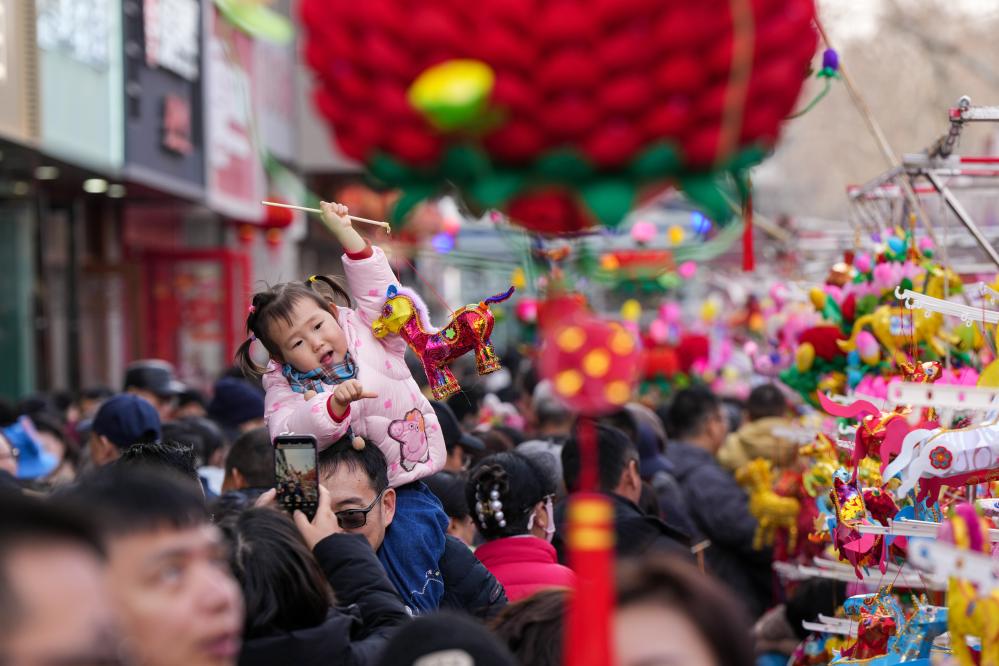
“出站后再补票”!南京热门景点外的地铁站被挤爆 全国多地爆发旅游热潮
Xin Lang Cai Jing· 2026-02-22 02:33
Core Insights - The 2026 Spring Festival holiday has significantly boosted the national tourism market, with a notable increase in visitor numbers and spending across various regions in China [1][5][6]. Group 1: Tourism Growth in Nanjing - Nanjing experienced an explosive growth in tourism during the Spring Festival, with nearly 10 million visitors recorded, and a single-day peak of over 2.9 million, representing a year-on-year increase of over 15% [1][2]. - The city implemented over 600 cultural and tourism activities, attracting a large number of visitors, particularly from neighboring provinces such as Zhejiang, Shandong, and Shanghai [2][3]. Group 2: Nationwide Tourism Trends - Nationwide, tourist numbers surged, with Shandong reporting 3.32 million visitors on the first day of the Lunar New Year, and Hubei seeing a 17.08% increase in visitors to A-level tourist attractions [5][6]. - The overall tourism consumption in Jiangsu province reached 6.16 billion, with a year-on-year growth of over 34% during the same period [5]. Group 3: Factors Driving Tourism - The combination of the longest holiday period, enhanced cultural experiences, and improved travel conditions has created a favorable environment for tourism growth [6][8]. - The trend of "early bird travel" has emerged, with approximately 35% of tourists opting for pre-holiday trips, leading to multiple travel peaks during the festival [7][8]. Group 4: Cultural and Policy Enhancements - Cultural activities and local traditions have played a crucial role in attracting visitors, with various cities offering unique experiences that resonate with tourists [7][8]. - Government initiatives, such as free public transport to key tourist sites and promotional discounts, have improved the overall travel experience and encouraged higher visitor numbers [4][8].

“出站后再补票”!南京热门景点外的地铁站被挤爆,全国多地爆发旅游热潮
Hua Xia Shi Bao· 2026-02-22 02:05
Core Insights - The 2026 Spring Festival holiday, lasting 9 days, has significantly boosted the national tourism market, transforming it from "flow frenzy" to "deep experience" [1][6] - Nanjing has seen explosive growth in tourism, with nearly 10 million visitors during the Spring Festival, marking a year-on-year increase of over 15% [1][3] Group 1: Nanjing Tourism Data - Nanjing received 1.348 million visitors on the first day of the Spring Festival, a 31.4% increase compared to the same day in 2025 [3] - On the third day of the festival, visitor numbers peaked at 2.948 million, up 19.7% year-on-year [3] - Cultural landmarks in Nanjing, such as the Zhongshan Scenic Area and Qinhuai Lantern Festival, have become popular attractions, with over 70% of visitors coming from outside the city [3][4] Group 2: Cultural and Technological Integration - Nanjing's tourism theme for this year, "Come to Nanjing Right Away," featured over 600 cultural and tourism activities, catering to various age groups [3] - The 40th Qinhuai Lantern Festival combined traditional craftsmanship with modern technology, attracting a younger audience [4] - The city has introduced multiple "internet celebrity" check-in points to enhance its cultural appeal [4] Group 3: Policy and Service Enhancements - Nanjing launched 25 free tourist routes during the Spring Festival, addressing transportation challenges for visitors [5] - Smart storage solutions were implemented, allowing tourists to seamlessly manage their luggage [5] - Various promotional activities, such as discounts for visitors arriving in Nanjing, were introduced to enhance the experience for tourists [5] Group 4: Nationwide Tourism Trends - Nationally, tourist numbers have surged, with Shandong reporting 3.32 million visitors on the first day of the festival, a 10.6% increase year-on-year [7] - Hubei's A-level tourist attractions welcomed 1.2642 million visitors on February 15, reflecting a 17.08% increase compared to 2025 [7] - Overall, Jiangsu province recorded 14.1686 million visitors from February 15 to 19, with a total consumption of 6.159 billion yuan, up over 34% year-on-year [7] Group 5: Factors Driving Tourism Growth - The combination of the longest holiday, upgraded cultural experiences, and improved travel conditions has created a favorable environment for tourism [8] - The trend of "early bird travel" has emerged, with approximately 35% of tourists opting for pre-festival trips [8] - Cultural activities across various regions have significantly boosted local hotel bookings, with some areas seeing increases of over 80% [8] Group 6: Government and Platform Collaboration - Enhanced transportation services, including increased flights and train services, have facilitated easier travel for tourists [9] - Various local governments have implemented measures such as issuing consumption vouchers and optimizing reservation systems to improve visitor experiences [9] - The tourism boom during the 2026 Spring Festival is attributed to a combination of policy support, cultural engagement, and evolving consumer behavior [9]
“马”上来玩 江苏5800余项文旅“大餐”精彩纷呈
Xin Lang Cai Jing· 2026-02-15 13:48
Group 1 - The article highlights the vibrant cultural and tourism activities planned in Jiangsu for the upcoming Spring Festival, inviting tourists to experience the local "Su-style" festive atmosphere [2] - In Nanjing's Confucius Temple, a large horse-themed lantern has become a popular attraction, symbolizing good fortune and drawing many visitors [4] - The lantern exhibition features four themed areas with over 30 large lantern displays, creating a rich traditional festive ambiance [6] Group 2 - During the 2026 Spring Festival, Wuxi and Suzhou will collaborate on extensive cultural tourism initiatives, offering free admission to attractions, transportation benefits, and consumer vouchers to enhance visitor experience [8] - Wuxi will open nine major attractions for free to Suzhou tourists, while Suzhou will reciprocate with seven free attractions and discounts on accommodation and dining [10] - Various ancient towns are integrating intangible cultural heritage elements and launching diverse activities to attract visitors, such as the New Year intangible cultural heritage market in Dongtai and the 10th Huashan Temple Fair in Juyuan [12]
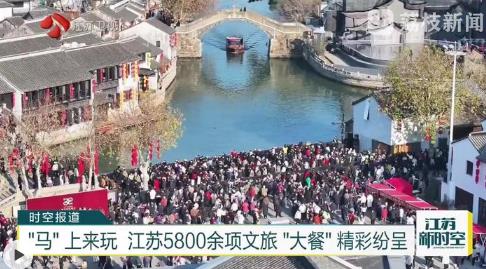
民宿平均入住率近九成!央视《新闻联播》提及普洱景迈山
Xin Lang Cai Jing· 2026-02-01 16:12
Core Viewpoint - The integration of culture and tourism is emphasized as a key strategy for high-quality development in China's economy, with a focus on enhancing consumer markets and enriching people's cultural lives [1][4]. Group 1: Cultural and Tourism Integration - The Chinese government aims to promote the cultural tourism industry as a pillar of the economy and a means to improve people's quality of life, as highlighted by President Xi Jinping [1]. - The "14th Five-Year Plan" year marks a significant push for policy support and resource integration in the cultural tourism sector, leading to accelerated development [1][4]. - The cultural tourism market is thriving, with a blend of traditional and modern elements appealing to younger audiences, showcasing the vibrancy of Chinese culture [1]. Group 2: Regional Developments and Initiatives - In Nanjing, the Qinhuai Lantern Festival, a national intangible cultural heritage, features nearly 400 light displays that incorporate historical and cultural themes, enhancing the festive atmosphere as the Spring Festival approaches [2]. - Various regions, including Chongqing and Yunnan, are leveraging technology and cultural heritage to attract tourists, with significant increases in visitor numbers and local economic activity [2][3]. - Beijing and Fujian are launching numerous cultural tourism activities and measures to create immersive experiences and new consumption patterns in the cultural tourism landscape [3]. Group 3: Economic Impact and Future Prospects - The integration of culture and tourism is not only revitalizing consumer activity but also enriching the spiritual and cultural lives of millions, contributing to social progress [4]. - The shift from market cultivation to rapid growth in the cultural tourism sector is expected to lay a solid foundation for building a culturally strong nation during the "14th Five-Year Plan" period [4].
600余场文旅活动已就位,“马”上来南京吧
Xin Lang Cai Jing· 2026-01-30 13:32
Core Viewpoint - Nanjing's cultural and tourism bureau has launched over 600 events themed "'Come to Nanjing on Horseback" to celebrate the upcoming Spring Festival, integrating various cultural activities to create a unique festive atmosphere [1] Group 1: Cultural Events - The 40th Qinhuai Lantern Festival, known as the "world's first lantern festival," will feature a record number of displays and lanterns, showcasing a blend of traditional craftsmanship and modern technology [3][4] - The festival's main venue spans from the Confucius Temple to the White Egret Island Park, with significant installations like the "Red Flame Divine Horse" lantern and a 60-meter-long "Five Horses Crossing the River" display [6] Group 2: Flower Viewing - Nanjing is renowned for its plum blossom viewing, with the peak bloom expected from early February to mid-March at various locations, including the Zhongshan Scenic Area and Xuanwu Lake [8][9] Group 3: Traditional Customs - From the 24th day of the twelfth lunar month to the 15th day of the first lunar month, nearly 100 traditional cultural events will take place across Nanjing, emphasizing local customs and festive activities [9] Group 4: Performances - Numerous performances will be held during the Spring Festival, including immersive historical dramas and high-quality music concerts, enhancing the festive spirit [11] Group 5: Exhibitions - Over 40 special exhibitions will be organized in various cultural venues, featuring significant artifacts and thematic displays, such as the "Steel and Glory: European Knight Armor and Culture Exhibition" [12] Group 6: Social Media Engagement - The tourism bureau has introduced 10 new social media hotspots across the city, encouraging visitors to engage with Nanjing's cultural heritage through unique experiences and interactive installations [14]
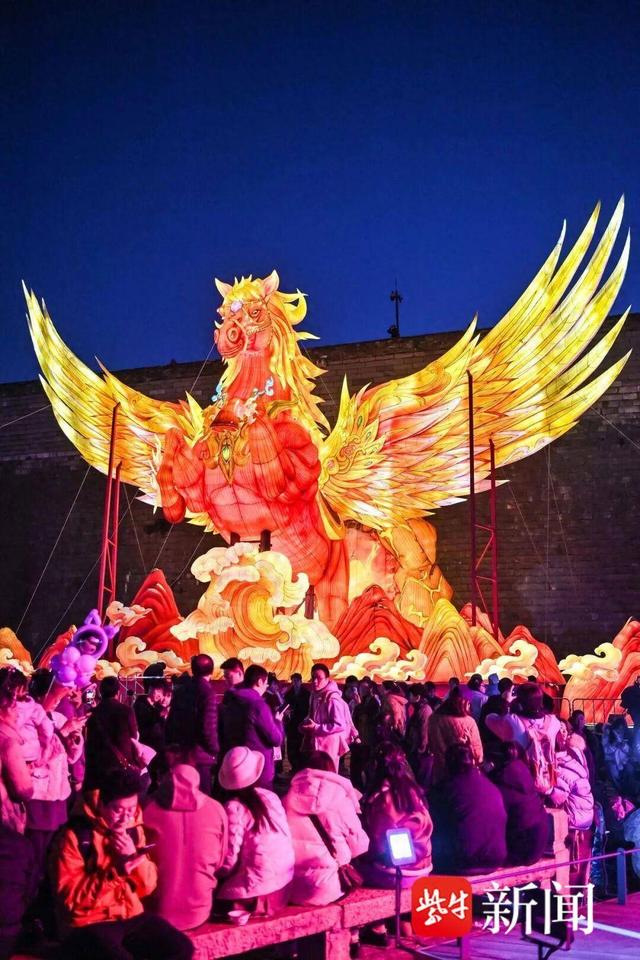
以文化之美 点亮消费新场景
Xin Lang Cai Jing· 2026-01-21 17:29
Group 1 - The 40th Qinhuai Lantern Festival in Nanjing, held on January 21, is expected to stimulate consumer activity through various discounts and exclusive benefits for attendees [1] - Cultural elements are becoming a key factor in creating new consumption scenarios, transforming traditional marketplaces into diverse experiential spaces [1] - The integration of culture into consumption not only meets spiritual needs but also enhances the resilience and depth of the consumer ecosystem, contributing to economic development [1] Group 2 - The successful integration of cultural beauty with consumer scenarios has been demonstrated in various locations, indicating that emotional value and experiential needs can unlock market potential [2] - Sustainable cultural integration requires a deep understanding and respect for cultural connotations, avoiding superficial commercialization that leads to aesthetic fatigue [2] - Developing diverse, high-quality products and services tailored to local characteristics can create unique consumption highlights, fostering a virtuous cycle of economic growth and cultural prosperity [2]
“马”上来南京吧!
Nan Jing Ri Bao· 2026-01-21 02:52
Core Viewpoint - The Nanjing Municipal Bureau of Culture and Tourism has launched over 600 cultural and tourism activities themed "'Come to Nanjing on Horseback" to celebrate the upcoming Spring Festival, inviting tourists to enjoy various festive events [1] Group 1: Cultural Activities - The 40th Qinhuai Lantern Festival will kick off on January 21, featuring a theme that combines traditional craftsmanship with modern technology, creating an immersive and interactive experience [2] - Nanjing boasts over 38,000 plum trees of more than 380 varieties at Plum Blossom Mountain, with peak blooming expected from early February to mid-March [2] - Nearly 100 unique traditional cultural performances will take place across Nanjing from the 24th day of the twelfth lunar month to the 15th day of the first lunar month [3] Group 2: Local Customs and Events - Various districts will host distinctive cultural activities, such as the "Non-Heritage Youth Spring Festival" series in Gulou District and the "Galloping Horse" theme parade in Gaochun District [4] - The Lishui District will feature a series of events titled "Celebrating the New Year at the Source of Qinhuai," including agricultural product exhibitions and traditional performances [4] Group 3: Social Media and Engagement - Ten new Instagram-worthy spots will be introduced for young people to capture memorable moments during the Spring Festival, including popular locations like Laomendong and Nanjing Eye [5][6] Group 4: Performances and Exhibitions - A variety of high-quality performances and exhibitions will be available during the Spring Festival, including concerts by renowned artists and multiple cultural exhibitions across major museums [7][8] - The Nanjing Museum will showcase nearly 190 pieces of Ming and Qing porcelain with auspicious designs, while the Taiping Heavenly Kingdom History Museum will present a special exhibition featuring nearly 100 artifacts related to the Year of the Horse [8]
天下文枢谱新章 创新潮涌映金陵
Jiang Nan Shi Bao· 2026-01-20 13:36
Core Viewpoint - Nanjing, as a historical and cultural city, exemplifies the integration of cultural heritage and economic development, showcasing a unique model of humanistic economics that drives modern growth [1][2][3]. Group 1: Cultural Heritage and Economic Development - Nanjing has a rich history of over 3,100 years and has been a significant cultural hub, known as the "天下文枢" (World Literary Center), which has fostered the integration of Southern and Northern Chinese civilizations [2]. - The city has successfully transformed its cultural heritage into a driving force for modern development through innovative practices, emphasizing the importance of creative transformation [2][3]. - Nanjing's cultural identity is deeply embedded in its economic practices, demonstrating a symbiotic relationship between culture and economy [1][3]. Group 2: Urban Development and Quality of Life - Nanjing is recognized as a "幸福之城" (City of Happiness), having won the title of "China's Most Livable City" for 16 consecutive years, reflecting its commitment to high-quality public services [3]. - The city promotes an open and inclusive urban character, integrating various cultural and economic elements to enhance its development [2][3]. - Nanjing's urban planning incorporates natural and cultural elements, creating a harmonious living environment that prioritizes both development and preservation [6]. Group 3: Cultural Industry and Innovation - The cultural industry in Nanjing is thriving, with significant contributions from digital culture, where core digital cultural enterprises account for over 34% of Jiangsu Province's economic output [5]. - Nanjing is fostering a cluster of digital cultural enterprises, enhancing competitiveness and innovation through the establishment of key laboratories and cultural parks [5][8]. - The city is actively developing new cultural brands and IPs, such as "World Literary City" and "Night Tour in Jinling," to stimulate tourism and cultural consumption [4][5]. Group 4: Integration of Technology and Culture - Nanjing is building a comprehensive digital cultural innovation system that encompasses technology research, content production, and application scenarios, aiming to lead in the new humanistic economic landscape [8]. - The city is leveraging digital technologies to enhance consumer experiences, creating smart tourism and retail environments that integrate online and offline interactions [8]. - Collaborative innovation among government, industry, academia, and research is being emphasized to optimize the transformation of cultural and technological achievements [8].