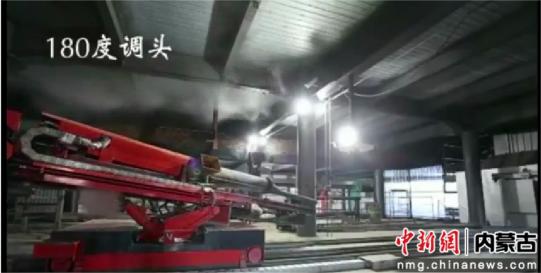
无人化装备

Search documents
义乌市场再升级:第六代“全球数贸中心”有哪些颠覆?
Sou Hu Cai Jing· 2025-12-31 23:29
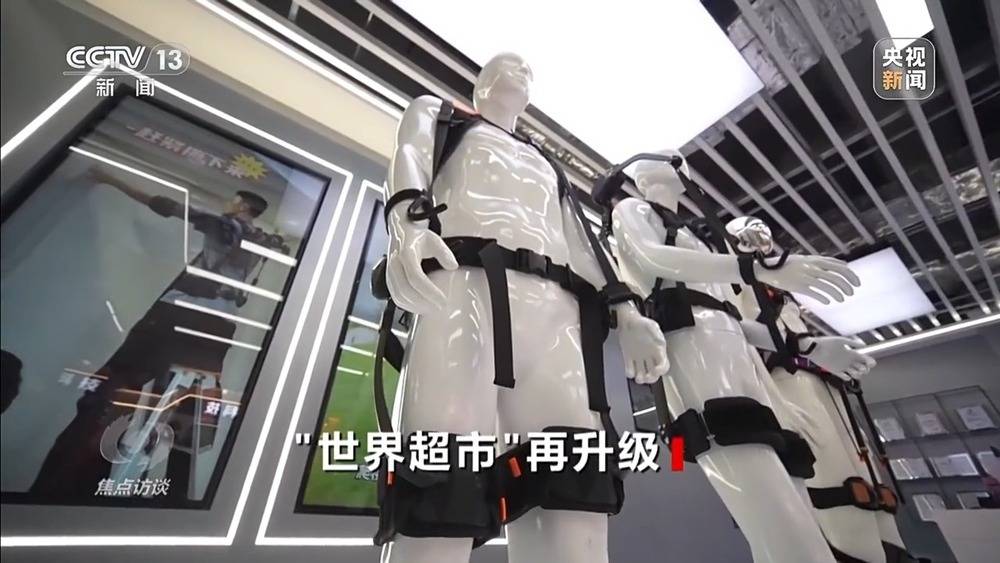
Core Insights - The newly opened Yiwu Global Digital Trade Center represents the sixth generation of markets in Yiwu, focusing on digitalization to expand global trade [1][10] - The transition from the fifth to the sixth generation market is driven by the need to enhance the quality of international trade in Yiwu [5] Group 1: Market Evolution - Yiwu has undergone six relocations and thirteen expansions over 40 years, evolving from street vendors to a global digital trade center [10] - The sixth generation market introduces significant upgrades in both hardware and environment to support the transition of Yiwu's manufacturing from low-end to mid-to-high-end products [8] Group 2: Technological Advancements - The sixth generation market features a dedicated Smart Equipment Zone with nearly 200 top domestic companies showcasing cutting-edge products, including drones, automation equipment, and AR/VR technologies [3] - A comprehensive digital upgrade has been implemented, introducing 13 AI tools designed for buyers and sellers, enhancing communication and design capabilities [7] Group 3: Trade Transformation - The digitalization of the entire trade chain is reshaping Yiwu's market, transitioning from traditional manufacturing to high-end intelligent manufacturing [10] - The market aims to shift from merely exporting products to building international brands and enhancing emotional value in trade [10]

焦点访谈|从“马路货郎担”到“全球数贸中心”,“世界超市”再升级
Yang Shi Wang· 2025-12-31 13:50
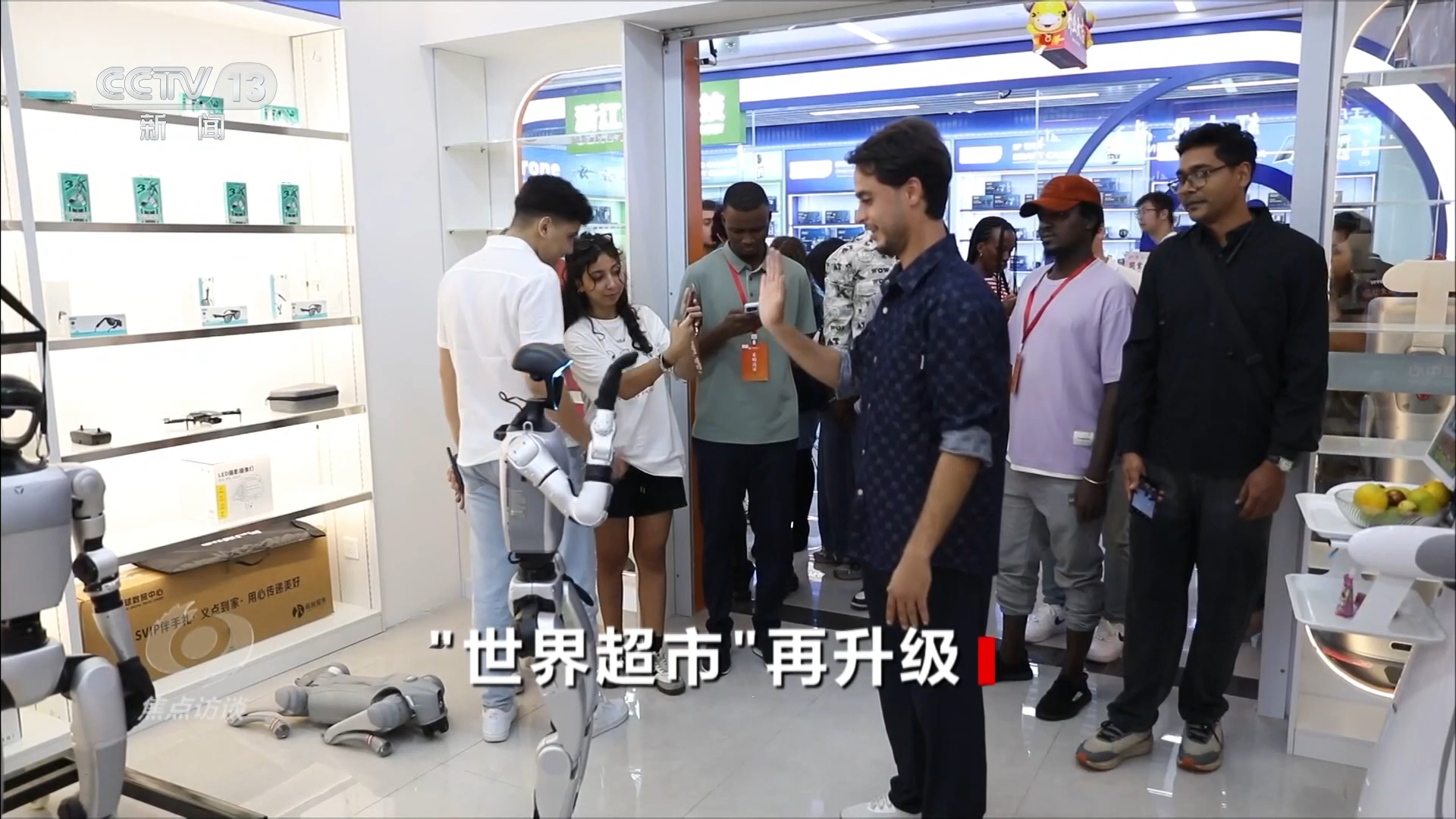
Core Insights - The Yiwu Global Digital Trade Center, the sixth-generation market, is set to open by the end of 2025, focusing on digitalization to enhance global trade dynamics [1] - The evolution of Yiwu's markets from street stalls in 1982 to the current sixth-generation market reflects a significant transformation in trade practices and infrastructure [10] Group 1: Market Evolution - The sixth-generation market represents a new phase in Yiwu's market development, moving from traditional trade to a more advanced digital trade model [4] - Yiwu has undergone six relocations and thirteen expansions over 40 years, transitioning from domestic to global trade [10] Group 2: Technological Advancements - The sixth-generation market features a dedicated Smart Equipment Zone with nearly 200 top domestic companies showcasing cutting-edge products, including drones and robotics [3] - A comprehensive digital upgrade has been implemented, introducing 13 AI tools designed to assist buyers and sellers, enhancing communication and design capabilities [8] Group 3: Strategic Goals - The upgrade aims to facilitate Yiwu's transition from low-end manufacturing to mid-to-high-end production, aligning with global market demands [6] - The establishment of the sixth-generation market is seen as a pivotal move for China to break traditional trade models and ascend the global value chain [10]
“5G+无人技术”推动铁合金行业智能化变革
Zhong Guo Jin Rong Xin Xi Wang· 2025-08-08 09:17
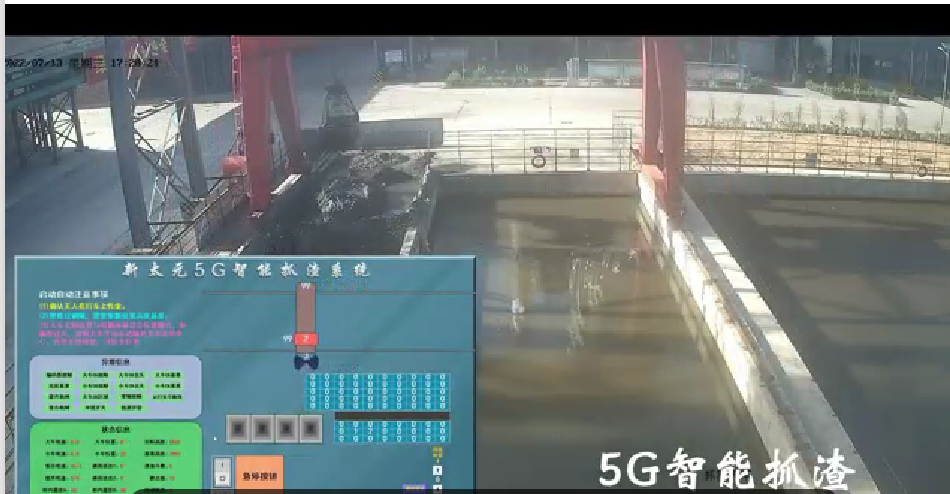
Core Viewpoint - Inner Mongolia Xintaiyuan New Materials Co., Ltd. is leveraging 5G technology and AI to transform its chromium iron production into a "5G + Smart Factory" model, promoting green and intelligent manufacturing in the high-energy-consuming industry, while enhancing safety and resource efficiency for sustainable development [1][2]. Group 1: Challenges and Solutions - The company faces three main challenges in its transition to a smart factory: safety risks from labor-intensive operations, inefficient management due to data silos, and delayed regulatory responses [2]. - Initial deployment of 5G remote control faced issues such as signal interruptions due to high temperatures and electromagnetic interference, as well as low acceptance of new technology among traditional workers [4]. - To address these challenges, the team from China Mobile Inner Mongolia engaged directly with workers, providing demonstrations and explanations to alleviate concerns about technological changes [4][5]. Group 2: Technological Implementation and Achievements - A comprehensive service system was established, including a 5G simulation control platform for training, and a "three-level response" service system for real-time monitoring and emergency support [7]. - Significant improvements were noted, including a 5% reduction in energy consumption per electric furnace, an increase in resource utilization rate to 98%, and annual cost savings exceeding 10 million yuan [7]. - The implementation of a precise energy control system led to a reduction of approximately 12,000 tons of carbon emissions annually, and a 20% decrease in electricity consumption through the use of solar panels and energy management systems [7].

“5G + 无人技术”领航铁合金行业智能化变革 打造智慧工厂新标杆
Zhong Guo Xin Wen Wang· 2025-08-08 06:14
Group 1 - The core viewpoint of the news is the establishment of the first "5G + Smart Factory" demonstration project in the ferrochrome industry by Inner Mongolia Xintaiyuan New Materials Co., Ltd. in collaboration with China Mobile Inner Mongolia, driven by the dual goals of "dual carbon" and digital transformation [2][3] - Inner Mongolia Xintaiyuan New Materials Co., Ltd. is the largest ferroalloy producer in the Ulanqab region, with a total investment of 2 billion yuan, and possesses globally leading ferrochrome production processes and environmental protection systems [3] - The company faces three main challenges in achieving the "smart factory" goal: safety risks from labor-intensive operations, inefficient management due to data silos, and the lagging nature of reactive regulation [3] Group 2 - The integration of 5G technology into traditional high-energy-consuming industries faces significant challenges, including the complex production environment that affects the stability of 5G equipment and the low acceptance of new technologies by traditional workers [3][4] - China Mobile's Ulanqab branch has actively engaged with frontline workers to alleviate their concerns about technological changes through demonstrations and case analyses, while also optimizing 5G equipment to enhance its anti-interference capabilities and heat dissipation [4][5] - A "three-level response" service system has been established to ensure production safety, including real-time monitoring of equipment anomalies, a 24-hour emergency response team, and a rapid spare parts allocation channel [6] Group 3 - The technological transformation has led to significant achievements, including a reduction in safety risks with the implementation of 5G remote control and AI visual monitoring systems, achieving zero major accidents for the year [6] - Production efficiency has improved, with a 5% reduction in energy consumption per electric furnace and a resource utilization rate reaching an industry-leading 98%, resulting in annual cost savings exceeding 10 million yuan [6] - The implementation of a precise energy control system has reduced carbon emissions by approximately 12,000 tons annually, and the collaboration of solar panels with energy management systems has decreased the factory's electricity demand by 20%, contributing positively to the "dual carbon" goals [6]