无人咖啡机

Search documents
半月谈丨AI+机器人改写生活脚本
Xin Hua Wang· 2026-02-24 02:47
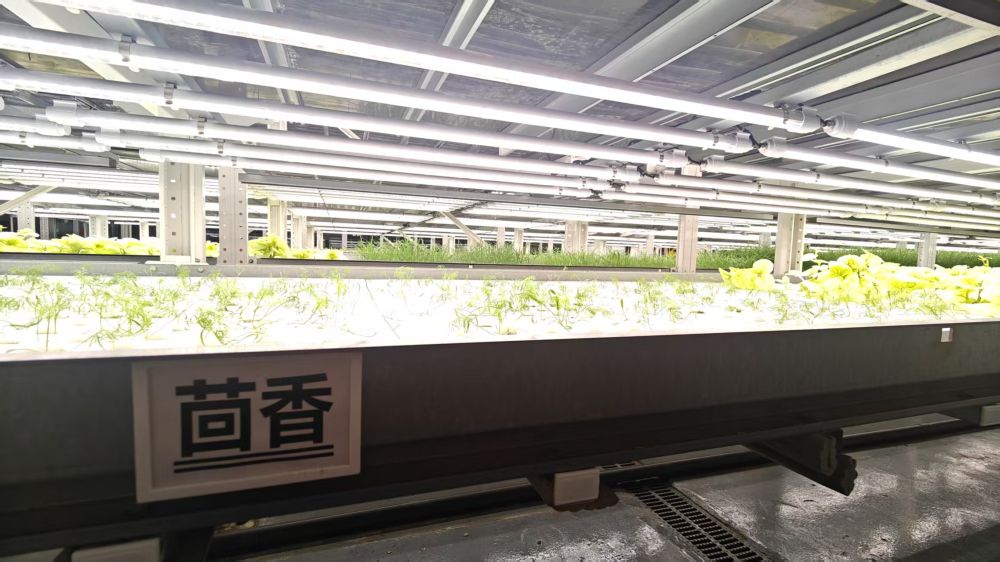
Group 1: AI and Robotics in Agriculture - The integration of AI and robotics is transforming traditional agriculture, exemplified by the "plant factory" in Dezhou, Shandong, where AI optimizes plant growth conditions and automates processes [2][6] - The "plant factory" has expanded its production to over 20 types of hydroponic vegetables, achieving a daily output of nearly 500 kilograms since its establishment in 2023 [2] - The introduction of autonomous tractors, such as the one from Shandong Weifang, showcases advancements in agricultural machinery, enabling 24-hour autonomous operations for tasks like plowing and harvesting [3] Group 2: Smart Transportation - The testing of an unmanned bus in Jinan demonstrates the application of AI in public transportation, with the vehicle capable of autonomous navigation and obstacle avoidance [2] - The bus is equipped with various sensors, including LiDAR, and has shown reliable performance during testing [2] Group 3: Technological Innovation and Industry Development - Shandong Province is implementing a Robotics Industry Technology Innovation Action Plan (2026-2028) aimed at achieving breakthroughs in over 50 key technologies in robotics by 2028 [4] - The plan includes establishing key laboratories and innovation platforms to support the development of the robotics sector [4] - The rise of AI and robotics is seen as a significant driver for productivity improvements across various industries, with a focus on creating value rather than merely showcasing technology [7][8] Group 4: 5G and Smart Manufacturing - The deployment of 5G networks in manufacturing facilities is enhancing the capabilities of smart factories, enabling real-time data collection and processing for precision manufacturing [5] - Companies are leveraging 5G technology to create interconnected systems that support the production of robots by robots, showcasing the potential of automation in manufacturing [5]


前沿科技走近大众,全球智造燃动金陵
Nan Jing Ri Bao· 2025-12-01 02:29
Core Insights - The 2025 World Intelligent Manufacturing Expo showcased cutting-edge achievements in intelligent manufacturing, featuring humanoid robots, advanced manufacturing equipment, digital solutions, and AI applications [1][2] - The expo attracted 456 companies from 21 countries and regions, presenting over 2000 innovative results in the field of intelligent manufacturing [1][2] Group 1: Exhibition Highlights - The expo covered an area of 55,000 square meters with four main exhibition halls focusing on robots, smart factories, industrial software, and intelligent equipment [1] - Notable exhibitors included KUKA, Hyundai, and Tesla, showcasing the integration of robotics technology in intelligent manufacturing [2] - The event featured an international exhibition area with leading global companies like Phoenix and Honeywell presenting advanced technologies and solutions [2] Group 2: Educational Engagement - Over 2000 university students and nearly 3000 middle and primary school students participated, experiencing various intelligent manufacturing technologies [3] - Interactive zones featured innovative products such as a fully steerable flying car and various autonomous devices, attracting significant visitor interest [3] Group 3: Business Opportunities - The expo facilitated direct negotiations between 59 companies from 35 countries, resulting in preliminary purchase orders worth 60 million yuan [4] - A total of 41 events were held during the expo, addressing key topics like digital transformation and industrial intelligence ecosystems [4] - The expo aimed to enhance international cooperation and market expansion for participating companies, contributing to the modernization of the industrial system in China [4]
2025年全国食品安全宣传周主场活动在京举办 四大展区共绘食安新蓝图
Zhong Guo Jing Ji Wang· 2025-09-11 06:53
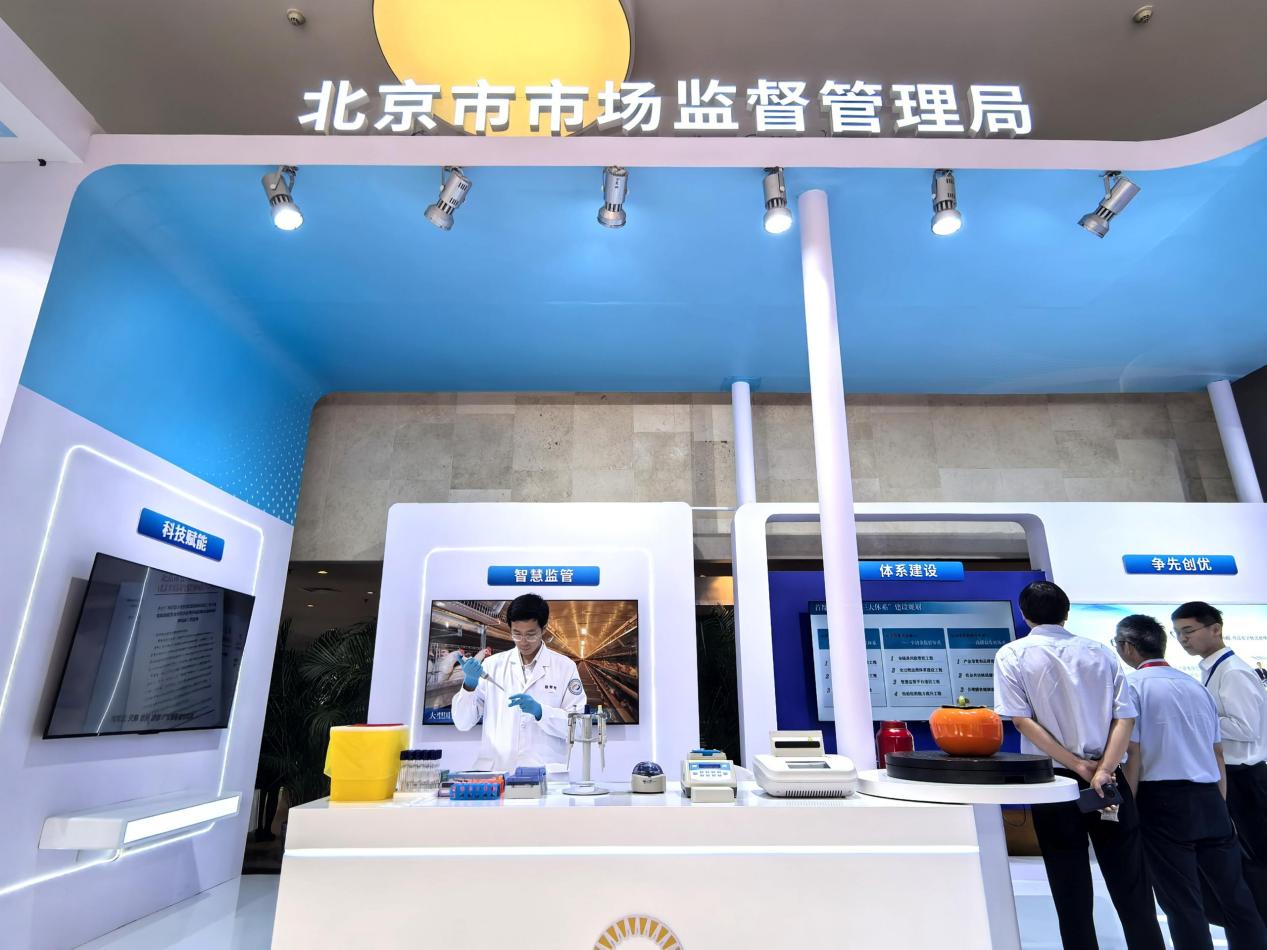
Core Viewpoint - The 2025 National Food Safety Publicity Week main event was held in Beijing, focusing on food safety and showcasing various themes related to food quality and technology [1]. Group 1: Event Overview - The event was organized by 28 departments including the State Council Food Safety Office and the Central Civilization Office, with participation from the Beijing Food and Drug Safety Office and China Economic Net [1]. - Four thematic exhibition areas were established: Safeguarding Food Safety, Craftsmanship Quality, Intelligent Manufacturing, and Digital Life, featuring nine participating companies [1]. Group 2: Thematic Exhibitions - The "Safeguarding Food Safety" area was led by the Beijing Market Supervision Administration and the Beijing Health Commission, showcasing rapid screening technology for pathogens in food [1][5]. - The "Craftsmanship Quality" area featured companies such as Shou Nong Group, San Yuan Foods, and Yi Li Foods, highlighting their commitment to food safety [7][12]. - The "Intelligent Manufacturing" area focused on smart food production and processing, with demonstrations of automated cooking processes and a robot-operated coffee machine [12][16]. - The "Digital Life" area included companies like JD.com and Meituan, showcasing the application of digital technologies in food safety management and consumer experience [16][18][19].