
日产途乐

Search documents
霍尔木兹封锁波及日本汽车行业
日经中文网· 2026-03-19 08:00
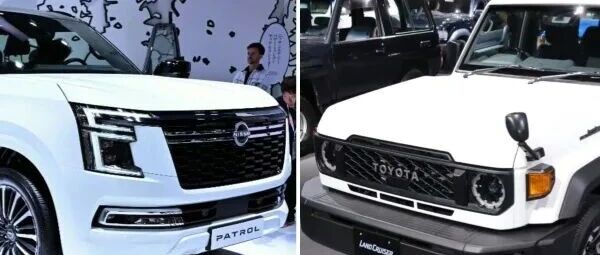
Group 1 - The Japanese automotive industry is facing production cuts due to the blockade of the Strait of Hormuz, affecting logistics and supply chains [2][4] - Nissan plans to reduce production by 1,200 vehicles in Japan within March, while Toyota is also implementing production cuts [2][4] - Nissan's subsidiary in Kyushu will cut production of the small MPV "Serena" and SUV "X-Trail" to ensure storage space, while continuing normal production of the profitable "Patrol" model [4] Group 2 - Toyota is expected to reduce production of popular models like the "Land Cruiser" by approximately 20,000 vehicles by the end of March, with an overall reduction of about 40,000 vehicles in the two months leading to April [4] - Japanese automakers are heavily reliant on exports to the Middle East, with S&P Global Mobility reporting that Japanese manufacturers sold over 870,000 new vehicles in ten Middle Eastern countries in 2025, accounting for 30% of the region's total [4] - The logistics disruption is also impacting the supply of automotive parts, with Mitsubishi Chemical Group announcing price increases for certain products due to difficulties in importing naphtha from the Middle East [5][6] Group 3 - The shipping companies have suspended operations in the Strait of Hormuz, which typically sees 10-15 car transport ships from Japan to the Middle East each month, each capable of carrying up to 5,000 vehicles [5] - The situation is exacerbated by attacks on commercial ships in the Red Sea, leading to further shipping route disruptions [5] - If the geopolitical tensions persist, there may be a potential increase in tire prices due to raw material shortages, as companies like Bridgestone and Yokohama Rubber are closely monitoring the situation [6]


在南非,日产汽车60年历史宣告结束,中企来了
Xin Lang Cai Jing· 2026-01-24 03:08
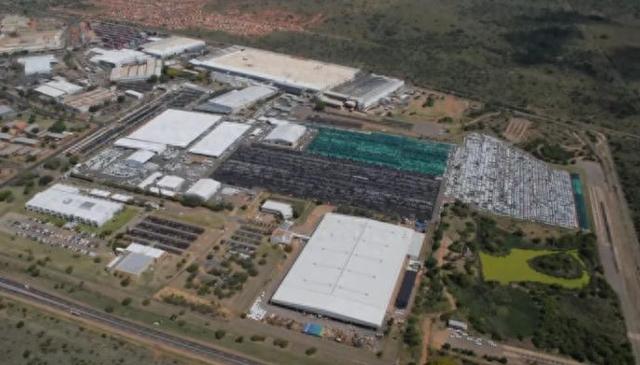
Core Viewpoint - Nissan has announced the closure of its assembly plant in Rosslyn, South Africa, after nearly 60 years of operation, selling the facility to Chinese automaker Chery as part of a broader global restructuring plan aimed at optimizing operations amid financial losses and low production capacity [1][4]. Group 1: Nissan's Closure and Restructuring - Nissan has reached an agreement with Chery for the acquisition of its manufacturing assets in Rosslyn, with the sale expected to be completed by mid-2026, pending regulatory approvals [1][2]. - The closure of the Rosslyn plant marks the end of Nissan's manufacturing operations in South Africa, concluding nearly six decades of production [1][4]. - Nissan's production in South Africa has significantly declined over the past decade, with output expected to drop to approximately 17,000 units in 2024, down from over 54,000 units in 2012 [4]. Group 2: Employment and Market Presence - Most employees associated with Nissan will be offered employment by Chery, with terms and conditions remaining largely the same [1]. - Despite ceasing local production, Nissan plans to maintain its market presence in South Africa by continuing sales and vehicle services, with new models set to launch in 2026 [4]. Group 3: Chery's Expansion in South Africa - Chery's acquisition of the Rosslyn plant is seen as a significant move to enhance its influence in the South African automotive market, which is the largest economy in Africa [5][8]. - Chery has become the second-largest passenger car seller in South Africa, surpassing Suzuki, indicating its growing market share [8]. - The South African market is strategically important for Chery, providing access to the African continent through trade agreements, with a young population and significant growth potential [5][6]. Group 4: Electric Vehicle Market Potential - African governments are increasingly implementing policies to support the electric vehicle industry, with projections indicating that the market could reach $21.4 billion by 2027, growing at a compound annual growth rate of 10.2% from 2022 to 2027 [6]. - The entry of Chinese automakers into Africa has surged, with a reported 291% year-on-year increase in exports of Chinese electric vehicles to the continent in 2023 [6].
硬派越野车的“新三样”革命
Zhong Guo Qi Che Bao Wang· 2025-09-08 02:44
Core Insights - The Chengdu Auto Show is witnessing a revolution in the rugged off-road vehicle segment, with the introduction of smart electric off-road vehicles, indicating a shift from traditional fuel-powered models to electric and intelligent designs [2][10] - Consumers are demanding off-road vehicles that not only perform well but also integrate smart technology and lifestyle features, reflecting a change in market expectations [2][6] Electric Drive Transformation - The transition to electric drive is significantly reshaping the performance boundaries of off-road vehicles, with electric systems reducing fuel consumption and emissions, thus aligning with regulatory requirements [3] - The Fangcheng Leopard 8, equipped with a 2.0T hybrid system, showcases impressive performance with a maximum power output of 550 kW and a torque of 760 N·m, achieving 0-100 km/h in just 4.8 seconds while maintaining a fuel consumption of 1.79 L/100 km [3] Intelligent Driving Systems - The integration of intelligent driving technologies is redefining traditional perceptions of rugged off-road vehicles, with features like advanced driver assistance systems becoming standard [6][7] - The Haval Tank 500 and Dongfeng Warrior M817 are examples of vehicles that incorporate sophisticated sensor systems and autonomous driving capabilities, enhancing the driving experience in challenging terrains [6][7] Ecosystem Redefinition - The development of a connected ecosystem is transforming off-road vehicles into "mobile ecological platforms," catering to diverse lifestyles and outdoor activities [8][10] - The trend of "urban and wild" versatility is evident in new vehicle launches, with brands emphasizing lifestyle integration and outdoor capabilities [8] Market Dynamics - The rugged off-road vehicle market is evolving from a niche segment to a mainstream category, driven by the adoption of electric, intelligent, and ecosystem-oriented features [10] - The shift towards "light off-road" vehicles is blurring the lines between traditional off-roaders and urban SUVs, expanding the potential user base [10]
