日经平均股指

Search documents
日经股指大跌2892点,伊朗局势乐观预期消退
日经中文网· 2026-03-09 08:00
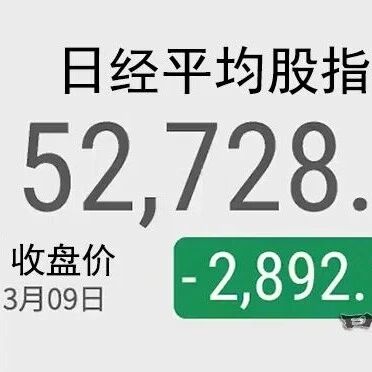
Core Viewpoint - The Japanese stock market experienced a significant decline, with the Nikkei average dropping by 5.20% to close at 52,728 points, reflecting a loss of 2,892 points from the previous week, as optimism regarding wartime stock price resilience faded [2][4]. Group 1: Market Reaction - The uncertainty surrounding the situation in Iran has heightened market volatility, leading to a cooling of investor sentiment [4]. - The rise in oil prices, with WTI crude oil futures reaching $111.24 per barrel, has raised concerns about stagflation risks, where high prices coexist with economic recession [4]. - Over 90% of stocks listed on the Tokyo Stock Exchange's Prime market experienced declines, indicating a broad market downturn [4]. Group 2: Oil Price Dynamics - Oil prices surged by 22% from the previous week, marking a significant increase from $90.90 to $111.24 per barrel, the highest level since July 2022 [4]. - Compared to the closing price of $67.02 on February 27, prior to military tensions with Iran, oil prices have risen by 66% [5].

日经开盘大涨1800点,首次站上5万3000点
日经中文网· 2026-01-13 02:23
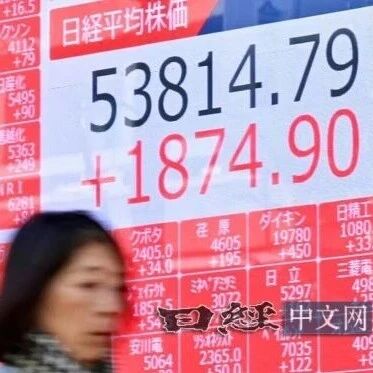
Group 1 - The Nikkei average stock index surged by 1800 points after opening on January 13, indicating strong market performance [2][4] - Reports suggest that Japanese Prime Minister Sanae Takaichi is considering the impact of dissolving the House of Representatives at the beginning of the regular Diet session on January 23, which has led to increased expectations for proactive fiscal policies [4] - The index exceeded the previous historical high of 52,518 points set on January 6, and is currently operating within the 53,000 point range [2]
日经早盘突破5万1000点
日经中文网· 2025-10-29 03:16
Core Viewpoint - The Nikkei average stock index in Tokyo experienced a significant rebound, closing at 51,249 points, up 1,030 points (2.05%) from the previous trading day, surpassing the historical high of 50,512 points set on the 27th [2][4]. Group 1 - The rebound in the Nikkei index was influenced by positive market sentiment regarding the easing of US-China trade tensions [2][4]. - The US stock market also reached new historical highs, with major indices such as the Dow Jones Industrial Average rising, which contributed to the bullish sentiment in Tokyo [4]. - Anticipation of progress in US-China discussions, particularly regarding synthetic drugs, further bolstered investor confidence ahead of the upcoming summit between the two nations [4]. Group 2 - The market is also reacting to expectations that the Federal Reserve may decide to lower interest rates in the upcoming Federal Open Market Committee meeting, which has encouraged buying activity among investors [4].