旧国标电动车

Search documents
调查:新国标“小电驴”长啥样?瘦了、贵了
Bei Jing Ri Bao Ke Hu Duan· 2025-12-03 07:05
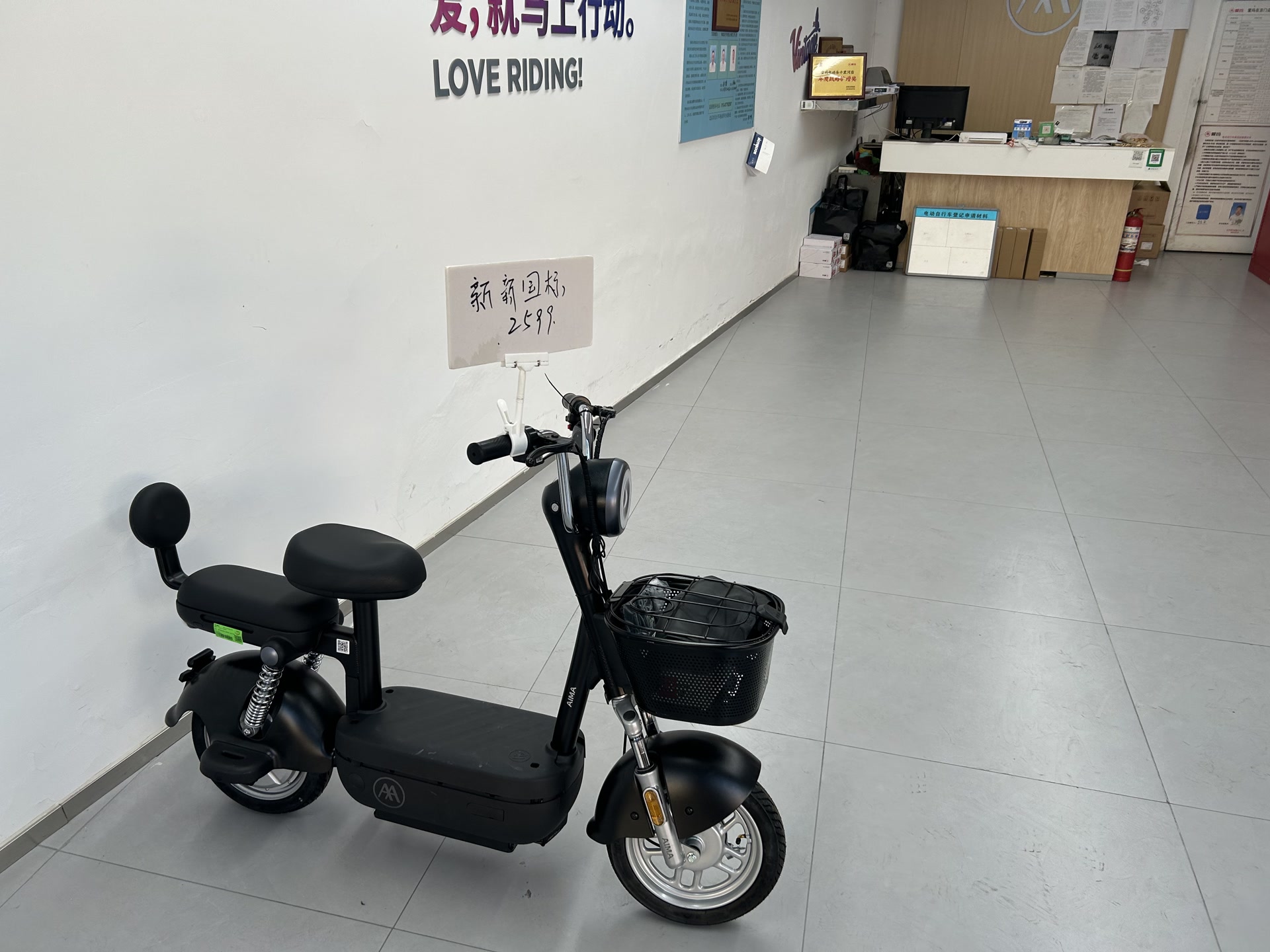
Core Viewpoint - The transition to the new national standard for electric vehicles has led to a complete ban on the sale of old standard vehicles as of December 1, resulting in limited availability of new standard models in stores and a cautious consumer response [1] Group 1: Store Conditions - Many electric vehicle stores are experiencing low inventory, with some locations having only one new standard vehicle available for sale [2][4] - Customers are finding the selection of new vehicles to be very limited, leading to a trend of returning later to check for more options [3] - Different stores have varying stock levels, with some having new models while others have none, indicating inconsistent supply across locations [3] Group 2: Vehicle Changes - New standard vehicles are designed to be slimmer and more simplified, removing many plastic components to enhance fire safety [9][11] - The weight limit for lead-acid battery electric vehicles has increased from 55 kg to 63 kg, allowing for larger battery capacities and improved range [12] - The maximum speed for new vehicles is now capped at 25 km/h due to anti-tampering regulations, which has eliminated the ability to modify speed settings [12] Group 3: Pricing and Consumer Behavior - The prices of new standard electric vehicles have risen significantly, with most models now priced above 2000 yuan, some exceeding 3000 yuan, compared to previous prices around 1700 to 1800 yuan [12] - Despite improvements in safety and range, consumer interest remains cautious, with many potential buyers waiting for more options to arrive in stores [12]

电动车新国标实施首日观察:潍坊旧国标车全面清场,门店冷冷清清
Qi Lu Wan Bao· 2025-12-01 16:24
Core Viewpoint - The transition to the new national standard for electric bicycles (GB17761—2024) has led to a ban on the sale of old standard models in Weifang, resulting in a temporary slowdown in market sales due to price increases and strict speed limits [1][5]. Group 1: Market Transition - The old standard models were completely cleared from stores by the end of November, with new standard models now fully available for sale [3]. - The new standard models have seen a price increase of 300-500 yuan per unit due to upgraded material and safety requirements, which has led to consumer price concerns [5]. - Many consumers are adopting a wait-and-see approach, influenced by the inability to adjust speed limits on new models compared to the old ones [3][5]. Group 2: Sales Performance - Sales during the transition period have been weak, with some stores reporting only a few units sold, reflecting the traditional seasonal slowdown in winter [5][7]. - The market is currently in a phase of adaptation to the new standards, making overall performance unstable [7]. - The upcoming end of national subsidy policies has led to some consumers making early purchases, contributing to the current sales dip [5]. Group 3: Regulatory Measures - The Weifang Market Supervision Administration has initiated a campaign to collect reports on illegal activities related to electric bicycles, including the sale of non-compliant models and unauthorized modifications [7][8]. - The reporting period for these violations extends until December 31, 2025, with various channels available for the public to report [8]. - Ongoing inspections are being conducted to ensure compliance with the new standards and to prevent the continued sale of old models [8].
旧国标电动车清仓甩货旧国标电动车即将停售
Xin Lang Cai Jing· 2025-11-29 14:41
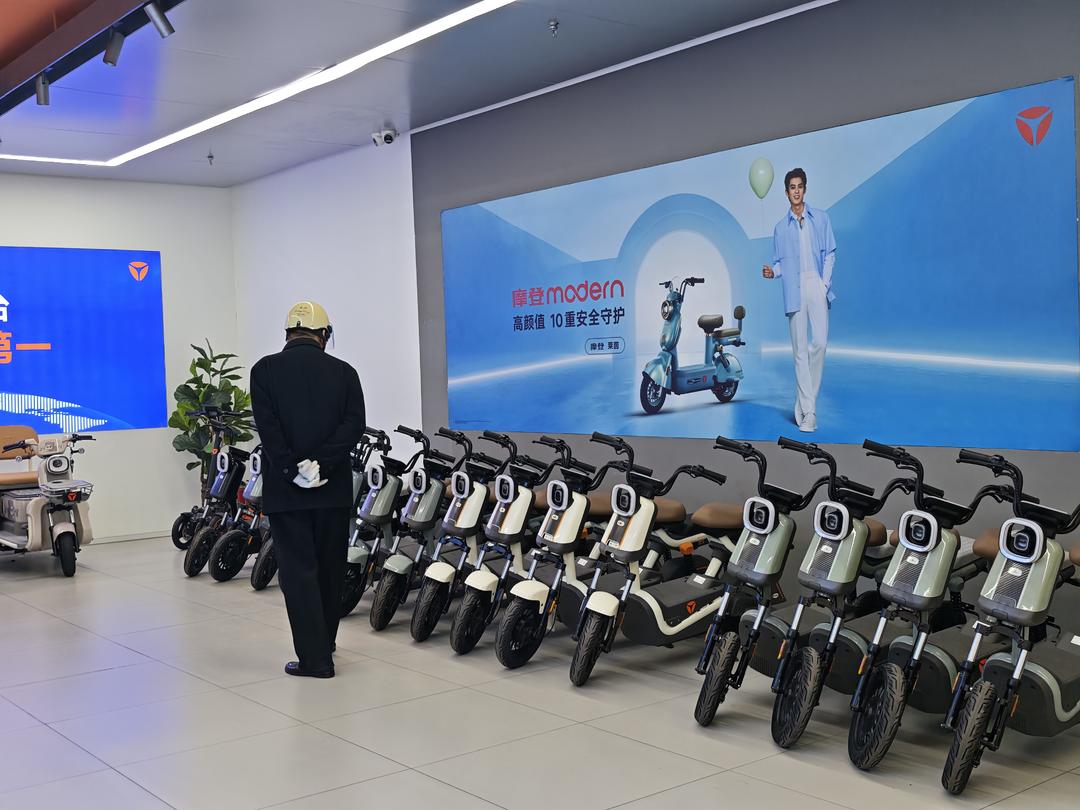
Core Viewpoint - The implementation of the new national standard for electric bicycles will lead to the discontinuation of old standard models, prompting a clearance sale and pushing the industry towards safer and more regulated products [1] Group 1: Market Response - Starting from December 1, the new national standard "Safety Technical Specifications for Electric Bicycles" will be fully implemented, resulting in the complete cessation of sales for non-compliant old standard vehicles [1] - Many retailers are prominently displaying old standard electric bicycles with clearance sale tags, indicating a rush to sell remaining stock before the deadline [1] - In cities like Nanning, consumers are actively inquiring about old standard models as the transition period nears its end, highlighting a last-minute surge in interest [1] Group 2: New Standard Features - The new standard electric bicycles are beginning to be sold, with features that enhance safety, including improved battery packs, controllers, and speed limiters to prevent unauthorized modifications [1] - The new regulations require vehicles to be equipped with Beidou positioning, communication, and dynamic safety monitoring functions, which are expected to enhance user safety [1] Group 3: Industry Implications - Experts suggest that the implementation of the new standard will force the industry to upgrade, leading to the production of safer and more standardized products [1] - The new regulations are also seen as a better protection for consumer rights, indicating a shift towards higher safety and quality standards in the electric bicycle market [1]
新国标落地在即,“过渡车”移花接木
Qi Lu Wan Bao· 2025-11-27 21:51
Core Viewpoint - The new national standard for electric bicycles is set to be implemented on December 1, leading to significant market changes and challenges for retailers, including inventory clearance issues and potential price increases for compliant models [2][3][4]. Group 1: Market Response - Retailers are promoting "transitional new standard vehicles" that can still accommodate high-capacity batteries and may bypass speed limits, despite not being fully compliant with the new regulations [3][4]. - The demand for old standard vehicles remains high, with some stores reporting sales increases from two to three units per day to six or seven, and prices for these vehicles have not decreased as expected [4][5]. - Many stores have not yet received new standard vehicles, and the few available are primarily for display purposes, indicating a lack of consumer interest in purchasing compliant models at this time [4][5]. Group 2: Inventory Management Strategies - Some retailers plan to register unsold old standard vehicles as "used" to continue selling them, attempting to mitigate losses by maintaining market presence [5]. - Dealers are considering upgrading old standard vehicles to meet new regulations by replacing components, which could help recover some costs and reduce inventory pressure [5]. Group 3: Future Sales Outlook - The overall sentiment regarding future electric bicycle sales is pessimistic, with expectations that the new regulations will further tighten market conditions [6]. - Consumers are expressing concerns about the practicality of new standard vehicles, with some considering alternatives like fuel motorcycles if compliance with new regulations requires additional licensing [6].

“小电驴”新国标落地,经销商“库存告急”
21世纪经济报道· 2025-09-02 13:02
Core Viewpoint - The electric bicycle market is currently facing a critical transition period due to the implementation of the new national standard (GB 17761—2024), which will phase out old models and require compliance with stricter safety and quality regulations [1][3][4]. Group 1: New National Standard Implementation - The new national standard will officially take effect on September 1, 2025, with old models ceasing production and sales by December 1, 2025 [1][3]. - The new standard includes enhanced requirements for fire resistance, material quality, and safety features, such as the prohibition of modification structures and the introduction of a unique identification system for each vehicle [4][6]. - Companies must now demonstrate quality assurance capabilities and product consistency, which may lead to the exit of manufacturers lacking core manufacturing capabilities [5][6]. Group 2: Market Response and Company Strategies - Major brands like Yadea and Green Source have already launched new models compliant with the new standard, while others are still clearing old inventory [9][11]. - The market is witnessing a divide where leading companies are quickly adapting to the new regulations, while smaller firms struggle to meet the new requirements [13][14]. - The overall production of electric bicycles has seen significant growth, with a reported 30.6% increase in production in July 2023 compared to the previous year [15]. Group 3: Industry Outlook and Challenges - The implementation of the new standard is expected to accelerate industry consolidation, creating a gap in output that could benefit leading brands [17]. - The market is projected to shift from quantity-driven growth to a focus on quality and safety, with a potential decline in sales for lower-tier brands [18]. - Analysts suggest that while the transition may impose short-term costs on companies, it will ultimately drive higher operational efficiency and quality standards in the industry [17][18].