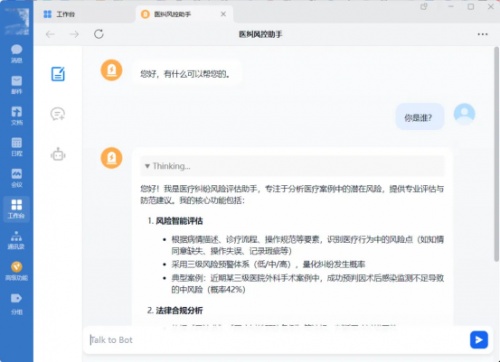
星火·医疗底座

Search documents
2025大健康行业巨变:心智之战打响,AI重构生态,商业化破局进行时 | 年终盘点
Xin Lang Cai Jing· 2025-12-21 06:18
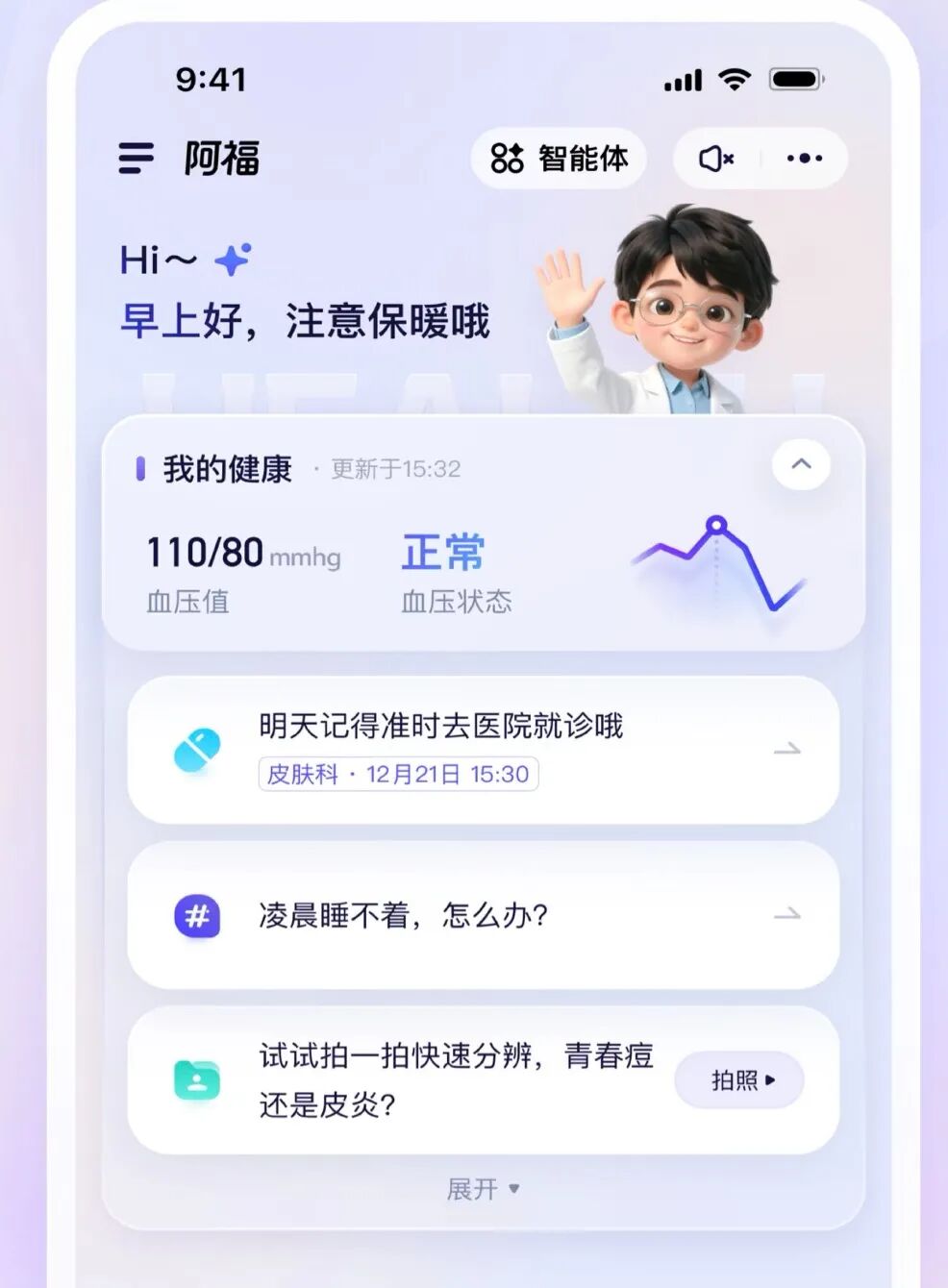
Core Insights - The health industry is undergoing a transformation driven by digitalization and the integration of AI technologies, with a focus on providing comprehensive healthcare solutions to meet evolving consumer demands [3][29] - The competition has shifted from merely acquiring user traffic to a more nuanced battle for consumer trust and mental engagement, emphasizing the importance of integrated healthcare ecosystems [11][29] Group 1: Industry Trends - The Chinese health market, valued at 20 trillion yuan, is at a critical juncture of digital and intelligent transformation, with major players like Ant Group and JD.com entering the space [3] - The aging population and increasing healthcare demands have created a significant supply-demand gap, pushing the health industry into a new phase of development [3][10] - The industry consensus indicates that future leaders will be those capable of integrating medical ecosystems and providing affordable healthcare solutions [3][29] Group 2: AI Integration - The combination of AI and healthcare is evolving beyond simple doctor-patient connections to encompass a full spectrum of health management, including prevention, diagnosis, treatment, and management [4][20] - AI is becoming a standard capability in the health sector, with predictions of explosive growth in the AI healthcare market, expected to rise from 8.8 billion yuan in 2023 to 315.7 billion yuan by 2033, reflecting a compound annual growth rate of 43.1% [18] - Companies are focusing on empowering primary healthcare and family doctor services through AI, addressing the challenges of resource allocation and diagnostic capabilities in rural areas [19][20] Group 3: Company Strategies - Ant Group's AI health application, now branded as "Ant Health," has evolved into a comprehensive health service platform, integrating health companionship, inquiries, and services [13] - JD Health is building a closed-loop ecosystem for healthcare services, linking drug purchases with health management reminders, enhancing user engagement [14] - Ping An Good Doctor is leveraging its insurance and healthcare services to create a synergistic model that enhances user retention and value, with a significant portion of its clients benefiting from integrated services [15][27] Group 4: Commercialization Challenges - The health industry faces challenges in finding sustainable commercialization paths, as traditional service or traffic sales models reach their limits [26] - Companies like JD Health are focusing on enhancing service revenue and optimizing income structures to deepen their commercialization efforts [26] - The long investment periods and slow returns are common across the industry, with Ping An Good Doctor only achieving profitability after a decade of investment [27] Group 5: Future Outlook - The health industry is at a pivotal point of high-quality development, with the ultimate winners likely to be those who can maximize professionalism, trust, and efficiency in their chosen paths [29] - The integration of technology and compliance will be crucial for future growth, as companies navigate the balance between innovation and regulatory requirements [28][29]

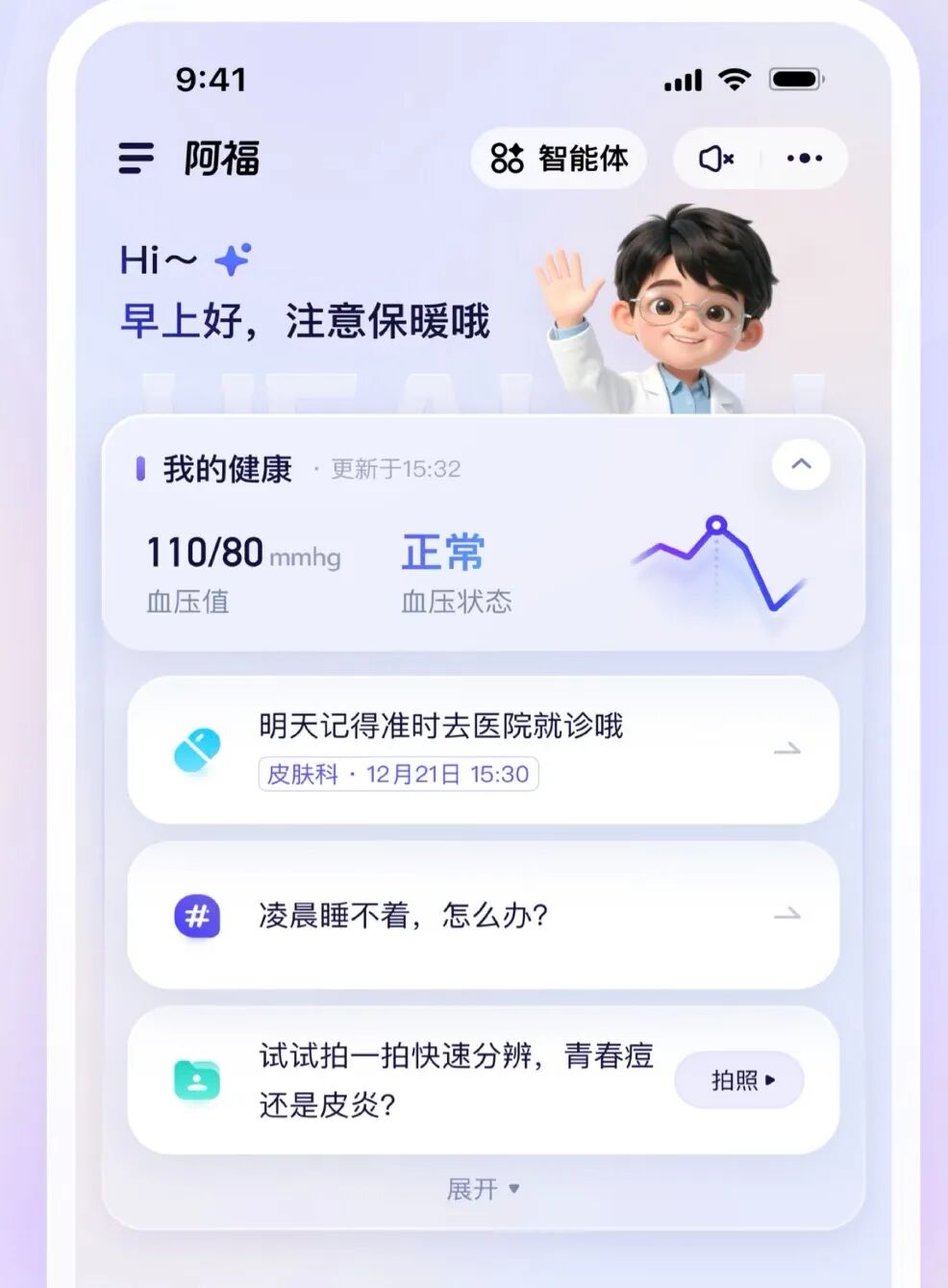
2025大健康行业巨变:心智之战打响,AI重构生态,商业化破局进行时
3 6 Ke· 2025-12-20 01:21
Core Insights - The health industry in China, valued at 20 trillion yuan, is undergoing a critical digital and intelligent transformation driven by increasing demand and an aging population [4][19] - The competition has shifted from a focus on traffic acquisition to a battle for user trust and mental engagement, with a consensus that future leaders will be those capable of integrating medical ecosystems [4][12] - AI is becoming a key driver in the healthcare sector, with predictions of explosive growth in the AI medical market, expected to rise from 8.8 billion yuan in 2023 to 315.7 billion yuan by 2033, reflecting a compound annual growth rate of 43.1% [19] Industry Trends - The healthcare sector is moving towards a model that emphasizes data, content, and service professionalism, marking a transition from simple online consultations to comprehensive health management [12][11] - Major players like Ant Group and JD Health are leveraging their ecosystems to provide integrated health services, while companies like Ping An Good Doctor are focusing on synergizing health services with insurance offerings [15][16] - The emergence of AI in healthcare is reshaping service delivery, with applications extending from basic consultations to full-cycle health management, addressing the needs of both consumers and healthcare providers [6][21] Company Strategies - Ant Group's AI health application, now branded as "Ant Aifu," has evolved into a comprehensive health service platform, enhancing user engagement through a three-dimensional service model [14][15] - JD Health is building a closed-loop ecosystem that integrates medicine, pharmacy, and health management, enhancing user experience and retention [15][16] - Ping An Good Doctor is integrating health management services with its insurance products, significantly increasing user engagement and value [16][28] Challenges and Opportunities - The healthcare industry faces significant challenges, including high investment costs, long cycles, and slow returns, necessitating a focus on sustainable commercialization paths [7][27] - Companies must navigate the complexities of integrating AI into real-world medical scenarios while ensuring compliance with regulatory standards and maintaining user trust [23][30] - The competition is intensifying as companies strive to differentiate their offerings and establish brand loyalty in a rapidly evolving market [13][30]

如何通过AI技术提升医疗质量与效率?北电数智医疗专场思享会或有答案
Jiang Nan Shi Bao· 2025-11-11 02:03
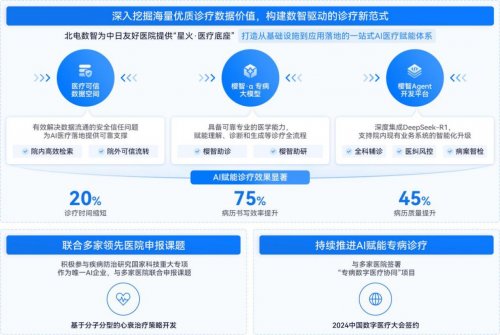
Group 1 - The core viewpoint of the articles emphasizes the transformative potential of AI in the healthcare sector, moving from concept to practical application, with a focus on enhancing efficiency and precision in medical services [1][2][6] - The healthcare industry is undergoing a significant shift from "experience-based decision-making" to "algorithm-driven empowerment," highlighting the necessity for high-quality data and specialized models to improve diagnostic accuracy and reduce R&D costs [1][2] - The integration of AI capabilities into grassroots healthcare and extending services beyond hospitals is seen as a crucial strategy to address uneven distribution of medical resources and create new growth opportunities within the industry [1][2] Group 2 - North Electric Intelligence (北电数智) is positioning itself as a key player in the AI healthcare landscape, showcasing its strategic layout and practical achievements in building a comprehensive intelligent healthcare system during the recent symposium [3] - The company is developing a dual-driven system of "general data + specialized disease data" to ensure compliant data circulation, which supports high-quality data for model training and facilitates the upgrade of AI from general assistance to specialized expertise [3] - North Electric Intelligence has successfully implemented its intelligent healthcare system at the China-Japan Friendship Hospital, demonstrating significant improvements in efficiency, such as a 20% reduction in diagnosis time and a 75% increase in medical record writing efficiency [4][6]
超3亿人睡眠困境有解了!北京清华长庚医院携手北电数智联合研发首个睡眠大模型
Sou Hu Wang· 2025-10-17 07:54
Core Insights - Insufficient and poor-quality sleep has become a significant health issue in China, with approximately 48.5% of the population aged 18 and above experiencing sleep disturbances, affecting over 300 million people [1] - Long-term sleep deprivation is linked to various chronic diseases, including hypertension, diabetes, cardiovascular diseases, and depression [1] - The complexity of sleep disorders often leads to challenges in accurate diagnosis, particularly in grassroots medical institutions, which lack specialized resources and expertise [1] Group 1: Collaboration and Model Development - A strategic partnership has been established between Tsinghua Changgung Hospital and Beijing Electronic Intelligence Technology Co., Ltd. to develop a comprehensive sleep model, leveraging AI technology to enhance diagnostic capabilities in grassroots healthcare [1][2] - The collaboration aims to integrate Tsinghua Changgung Hospital's extensive clinical experience in sleep medicine with North Electric's AI infrastructure, addressing the shortage of specialized resources and improving diagnostic accuracy for sleep disorders [2][3] Group 2: Clinical Expertise and Impact - Tsinghua Changgung Hospital has a strong foundation in sleep medicine, recognized for its comprehensive assessment and treatment system for obstructive sleep apnea, which has been implemented across 31 provinces in China, benefiting over 15 million patients [2] - The hospital's sleep medicine center has trained over 12,000 physicians and significantly improved patient compliance with long-term treatment, increasing the adherence rate from 30% to 90% for patients using respiratory machines post-discharge [2] Group 3: AI Integration in Healthcare - North Electric's strategic focus on AI aims to create a full-chain service system for the healthcare sector, enhancing data utilization, model capabilities, and practical applications in medical settings [3] - The collaboration is expected to empower grassroots healthcare providers with expert-level sleep diagnosis and treatment capabilities, thereby improving service efficiency and promoting equitable healthcare access [3]
AI技术引擎×医疗产业创新!北电数智落地AI+医疗行业解决方案标杆案例
Jiang Nan Shi Bao· 2025-04-27 15:33
Core Insights - Artificial Intelligence (AI) is becoming a core engine driving global industrial transformation, but faces significant challenges in the medical field, including difficulties in commercializing domestic computing power, applying AI in real-world scenarios, and releasing data value [1][2] Group 1: AI in Healthcare - The collaboration between Beidian Zhizhi and the Japan-China Friendship Hospital offers a new approach to overcoming challenges in AI healthcare development, serving as a successful example of how AI can empower traditional industries [1] - The Chinese government has emphasized the integration of AI in healthcare, issuing policies to promote the use of AI technologies to innovate medical service models and improve efficiency and quality [1] Group 2: Challenges in AI Implementation - The commercialization of domestic computing power is hindered by high infrastructure costs, fragmented market demand, and immature business models, making it difficult for medical institutions to leverage advanced computing power [2] - The medical industry's professional and regulatory nature requires extensive clinical trials for AI technologies, which often fail to meet strict regulatory standards, complicating their clinical application [2] - The release of data value is challenged by the fragmentation and lack of standardization in medical data, as well as legal and technical issues surrounding patient privacy and data sharing [2] Group 3: Solutions and Innovations - Beidian Zhizhi's "Spark Medical Base" is a key solution for addressing these challenges, providing a one-stop empowerment system for medical institutions from foundational technology to application development [4] - The "Zhongri Sakura Agent Development Platform" developed in collaboration with the Japan-China Friendship Hospital integrates DeepSeek-R1, enabling customized development that aligns with hospital workflows and enhances clinical efficiency [5] - The establishment of a trusted data application platform allows for the integration and cleaning of hospital data, ensuring security and privacy, which facilitates the release of medical data value [6] Group 4: Impact and Future Directions - The AI solutions implemented at the Japan-China Friendship Hospital have shown significant results, including a 20% reduction in diagnosis time, a 15% decrease in misdiagnosis rates, and a 75% increase in medical record writing efficiency [6] - The AI pharmaceutical market is projected to reach $2.994 billion by 2026, with AI technologies reshaping drug innovation processes and expanding into personalized medicine and rare disease drug development [7] - Future collaborations aim to explore more applications in clinical decision support, patient services, and resource management, contributing to the intelligent transformation of the healthcare industry [9]