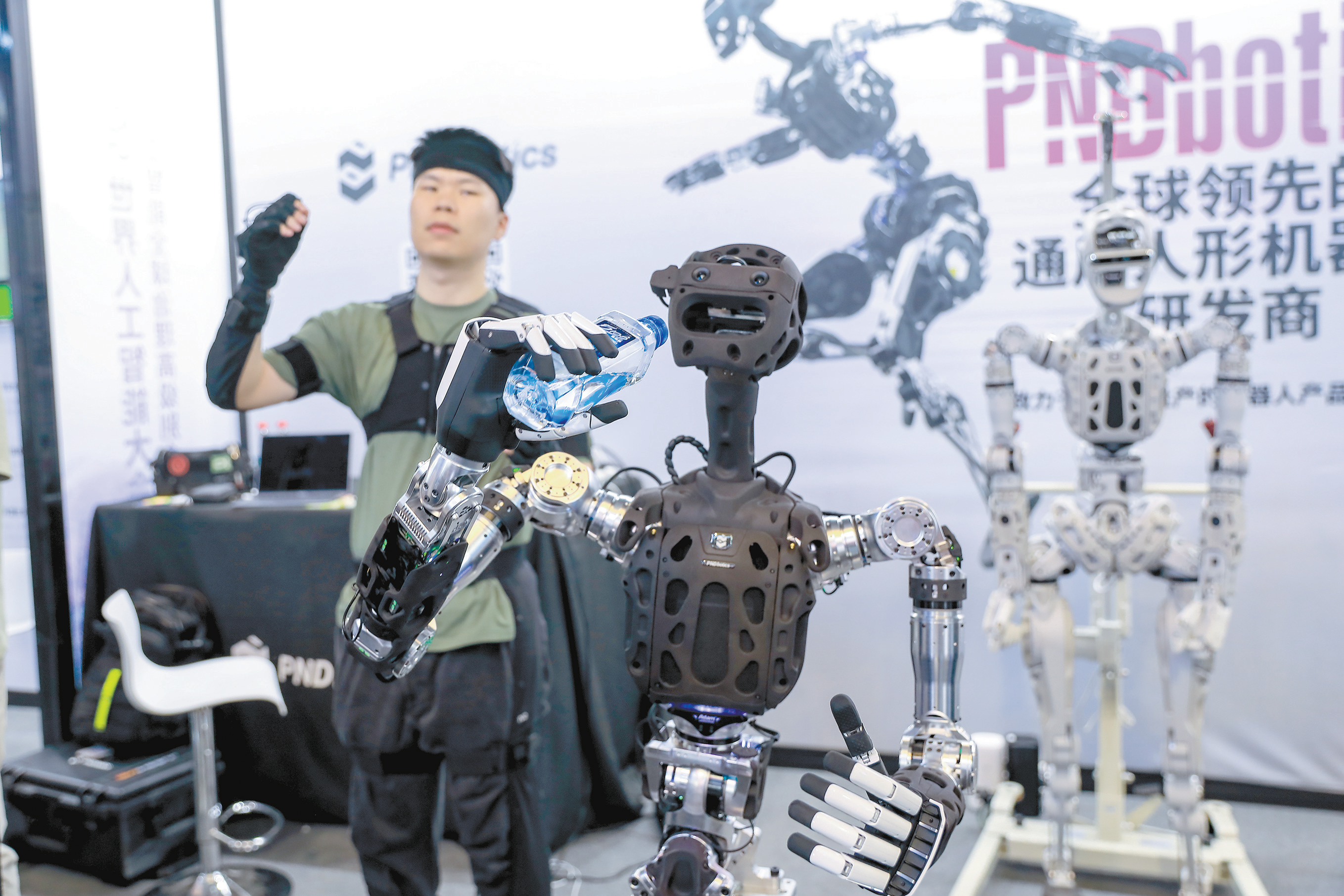
智能人形机器人IRON

Search documents
放眼全球,谁在跨界做具身智能?
Huan Qiu Shi Bao· 2025-09-13 03:30
Core Insights - The article discusses the rise of embodied intelligence, highlighting its integration across various industries such as automotive, manufacturing, and the internet, driven by both established giants and emerging startups [8][11][12] - The competition in embodied intelligence is characterized by a lack of established templates, requiring continuous experimentation and deep engagement with practical scenarios to navigate the future landscape [8][11] Industry Trends - Embodied intelligence is seen as a key area for growth, with significant investments from companies like BYD and partnerships like the one between Bosch and Beijing Galaxy General Robotics focusing on smart manufacturing and robotics [9][10] - The automotive sector is identified as a major application area for embodied intelligence, with companies like Xpeng showcasing humanoid robots in manufacturing settings [9][10] Technological Developments - The development of humanoid robots is a focal point, with companies like Hexagon and Tesla leading innovations in hardware and AI integration, which are crucial for overcoming supply chain and manufacturing challenges [10][15] - The emergence of platforms like Nvidia's Isaac GR00T N1 model aims to accelerate the development of humanoid robots, indicating a trend towards open-source and customizable solutions [15] Market Dynamics - The market for embodied intelligence is expected to grow significantly, with estimates suggesting it could become a trillion-dollar industry, similar to previous technological revolutions [11][18] - Companies are entering the embodied intelligence space for various reasons, including seeking new growth avenues, strategic positioning against technological disruption, and addressing internal efficiency needs [11][12] Challenges and Barriers - The implementation of embodied intelligence faces several challenges, including the need for robust digital infrastructure and high-quality data for effective training of AI systems [12][13] - The complexity of integrating various technologies and ensuring effective collaboration among hardware and software components is a significant hurdle for companies [13][14] Future Outlook - The future ecosystem of embodied intelligence may consist of a few dominant platform giants alongside numerous application-focused companies, creating a complex and dynamic market landscape [19][20] - The potential for embodied intelligence to transform various sectors, from manufacturing to healthcare, is immense, with predictions of a collaborative future between humans and robots [18][21]

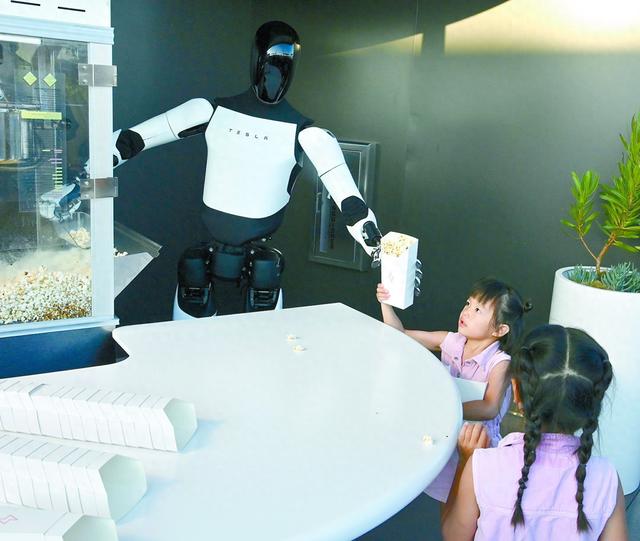
【环时深度】放眼全球,谁在跨界做具身智能?
Huan Qiu Wang· 2025-09-12 22:49
Core Insights - The article discusses the rise of embodied intelligence, which is creating a convergence across various industries such as automotive, manufacturing, and the internet. Companies are engaging in cross-industry strategies to capture new growth opportunities and position themselves in the AI-physical world integration race [1][2]. Industry Trends - Embodied intelligence is defined as a system-level intelligence that relies on the interaction between "bodies" and their environments, forming a closed loop of perception, decision-making, and action. The most notable application of embodied intelligence by 2025 is humanoid robots, which are already being utilized in smart manufacturing [2][5]. - The automotive industry is identified as a key application area for embodied intelligence technology. Companies like Xiaopeng Motors are showcasing humanoid robots in manufacturing settings, highlighting the shared technological foundations between autonomous driving and robotics [5][6]. - Internet giants are also entering the embodied intelligence space, with companies like JD.com announcing significant investments in smart robotics. This trend reflects both short-term market potential and long-term strategic positioning in the AI landscape [6][21]. Cross-Industry Collaborations - Major manufacturing firms are forming partnerships with robotics companies to enhance their capabilities. For instance, Bosch Group has established a joint venture focused on complex assembly and intelligent quality inspection [5][6]. - In the agricultural sector, companies like XAG are overcoming barriers to implement embodied intelligence, emphasizing the need for foundational digital agricultural infrastructure [9][11]. Technological Challenges - The development of embodied intelligence faces several challenges, including the need for high-quality and diverse data for training AI systems. Companies are exploring innovative solutions like spatial generation technology to create realistic training environments for robots [13][14]. - The integration of various technologies, such as multi-modal perception and hardware collaboration, is essential for advancing embodied intelligence. This requires a collective effort from multiple companies rather than relying on a single entity [14][22]. Future Ecosystem - The future ecosystem of embodied intelligence may consist of a few dominant platform giants alongside numerous application-focused companies. These giants will control critical components like computing power and sensors, while application companies will create diverse value across industries [21][22]. - The article suggests that the commercial potential of embodied intelligence extends beyond manufacturing and services, potentially transforming various sectors and creating significant business opportunities [21][24].