智能自动化

Search documents
【金融科技专题系列四】五篇大文章领航,金融科技的十年价值重塑
Sou Hu Cai Jing· 2026-01-27 10:10
Core Insights - The article emphasizes the transformation of China's fintech industry from a phase of scale expansion to a new stage focused on value cultivation, driven by top-level policy design [1][5] - The "Five Articles" policy marks a shift in the development logic of the fintech sector, positioning digital finance as a connector between technology and real-world needs [2] Industry Transformation - The fintech industry is experiencing structural growth opportunities due to the policy environment, with emerging commercial demands in areas like intellectual property assessment, carbon accounting in green finance, and elder-friendly financial services [2] - Fintech companies are evolving from being mere technology service providers to becoming integral "growth builders" within financial institutions, playing crucial roles in credit approval and risk management [2] Challenges Faced - The industry faces three main challenges: upgrading from single tool outputs to comprehensive solution capabilities, balancing long-term investments with short-term returns during the policy dividend period, and ensuring data security and privacy compliance in a highly regulated environment [3] Strategic Adjustments - Companies like Laiye Technology are aligning their strategies with national policies, focusing on intelligent, compliant, and open ecosystems to drive high-quality development in the financial sector [4] - Laiye has optimized its core products to integrate key capabilities such as intelligent automation and risk control throughout the financial service process, resulting in significant business growth and recognition from industry experts [4] Future Outlook - The ongoing implementation of the "Five Articles" policy is expected to further propel the fintech industry towards a value-driven approach, enhancing its role in serving the real economy and addressing actual needs [5] - The KPMG China Fintech 50 ranking serves as a barometer for industry development, reflecting the successful alignment of policy and technological innovation [5]


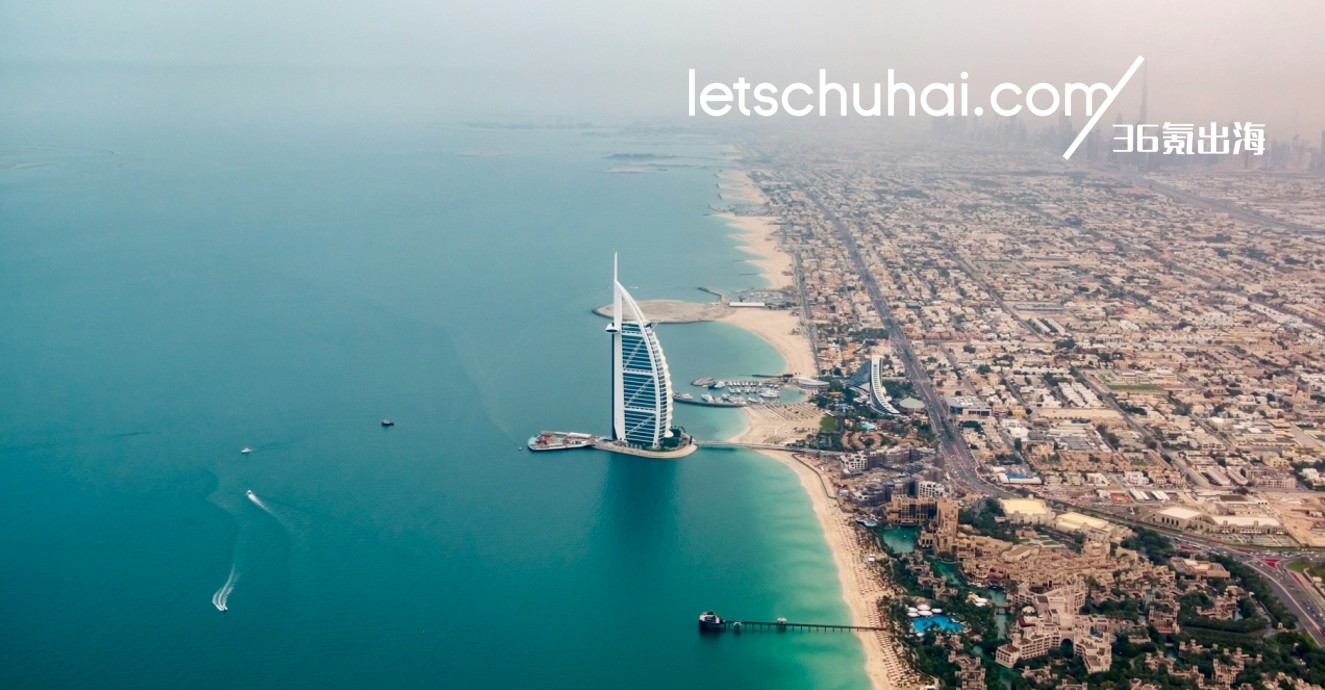
36氪出海·中东|2025年,哪些行业在迪拜自贸区增长突出?
3 6 Ke· 2025-09-16 03:35
Core Viewpoint - Dubai Free Trade Zone continues to be the preferred platform for global entrepreneurs and investors, showcasing significant growth potential across various sectors by 2025, particularly in fintech, e-commerce, logistics, consulting, and manufacturing [2]. Group 1: E-commerce - E-commerce is one of the fastest-growing industries in the Dubai Free Trade Zone, driven by increasing consumer demand in the Middle East and a surge in online shopping [3]. - Dubai's strategic geographical location connects Asia, Europe, and Africa, enabling businesses to efficiently reach global consumers [3]. - The Free Trade Zone contributes over 60% of the UAE's total goods export volume, establishing itself as a crucial gateway for online retailers expanding globally [3]. Group 2: Logistics - Dubai has established itself as a global logistics hub, with the Free Trade Zone playing a vital role in this expansion [4]. - The UAE's non-oil trade has surpassed $272 billion, with significant contributions from the Free Trade Zone [4]. - The logistics sector is expected to see further growth by 2026, driven by rising demand for last-mile delivery and advanced warehousing solutions [4]. Group 3: Fintech and Artificial Intelligence - Fintech and AI are at the forefront of redefining the future of business in Dubai, with the fastest growth anticipated by 2025 due to government-driven digitalization and AI transformation policies [5]. - The Free Trade Zone provides innovative infrastructure and regulatory frameworks to support the development of blockchain, smart contracts, and AI financial services [5]. - The industry is expected to experience explosive growth in the coming years as digital payments and smart automation become mainstream [5]. Group 4: Consulting Services - There is an exponential increase in demand for consulting services, including management consulting, IT advisory, and market strategy support [6]. - Consulting firms in the Dubai Free Trade Zone offer comprehensive support for local market entry, compliance guidance, and digital transformation [6]. - Tax incentives and streamlined registration processes attract more international consulting firms to the region, catering to the growing business ecosystem in the UAE [6]. Group 5: Manufacturing - The manufacturing sector within the Free Trade Zone is evolving from traditional heavy industries to high-tech, light industries, and precision manufacturing [7]. - The Dubai government actively promotes economic diversification, providing advanced prototyping and small-batch production facilities [7]. - Proximity to ports and airports enhances the attractiveness of manufacturing firms by facilitating efficient global product exports [8]. Group 6: Advantages of the Free Trade Zone - The Dubai Free Trade Zone offers tailored advantages for rapidly growing industries, enabling businesses to establish quickly, operate stably, and expand globally [9]. - The Free Trade Zone is adapting to global business trends by deploying virtual offices, cloud licensing management, and electronic signature services to support entrepreneurs [9]. - Initiatives to promote green manufacturing and the adoption of energy-efficient equipment are also being implemented to drive sustainable transformation [9]. Group 7: IFZA Support - IFZA supports various industries, including e-commerce, fintech, consulting, logistics, and manufacturing, by providing diverse license types, remote registration, and business expansion support [10]. - The Free Trade Zone is committed to helping businesses enter the Dubai market efficiently and cost-effectively, regardless of their industry [10].