有机燕麦片

Search documents
2024年中国有机燕麦行业发展及消费需求洞察报告
Sou Hu Cai Jing· 2026-02-27 14:42
Core Insights - The organic oat market in China is experiencing significant growth, driven by increasing health awareness and consumer demand for high-quality organic products [7][12][19] - Over 70% of oat consumers specifically choose organic certified products, with health being the primary consideration [2][7] - The market is evolving with product innovation and expanded consumption scenarios, moving beyond traditional uses to include convenient meal replacements and functional foods [3][4] Market Development Status - In 2022, the sales revenue of organic products in China reached 87.76 billion yuan, indicating a steady growth trend in the organic food sector [12][15] - The number of organic certification certificates and certified enterprises has been increasing, with 25,021 certificates issued in 2022 [12][16] - The demand for organic oats is rising as consumers seek healthier dietary options, leading to a broader range of consumption scenarios [7][19] Consumer Insights - A significant 71.8% of oat consumers prefer organic certified products, with over 90% opting for branded oat products [7] - The main reasons for purchasing organic oats include health benefits (53.2%) and better taste (49.1%) [7] - Consumers are willing to pay a reasonable premium for quality, with the acceptable price range for 500g of oats being between 21 to 80 yuan [2][7] Market Trends - The organic oat market is witnessing a clear upgrade trend, with a shift from traditional oat varieties to more nutritious options like naked oats [3] - The consumption demographic is becoming younger, with a growing focus on health-conscious products appealing to this group [4][18] - The market is moving towards "high-end cost-effectiveness," where quality ingredients are offered at competitive prices, alongside product innovation to create brand differentiation [4][7] Industry Landscape - The industry is characterized by a diverse range of participants, including specialized organic brands and established companies expanding into the organic sector [4] - Online and offline sales channels are increasingly integrated, with e-commerce platforms becoming the primary avenue for consumer engagement [4][7] - The rise of domestic brands is notable, with 88.3% of consumers recognizing improvements in the quality of local products [18][19]


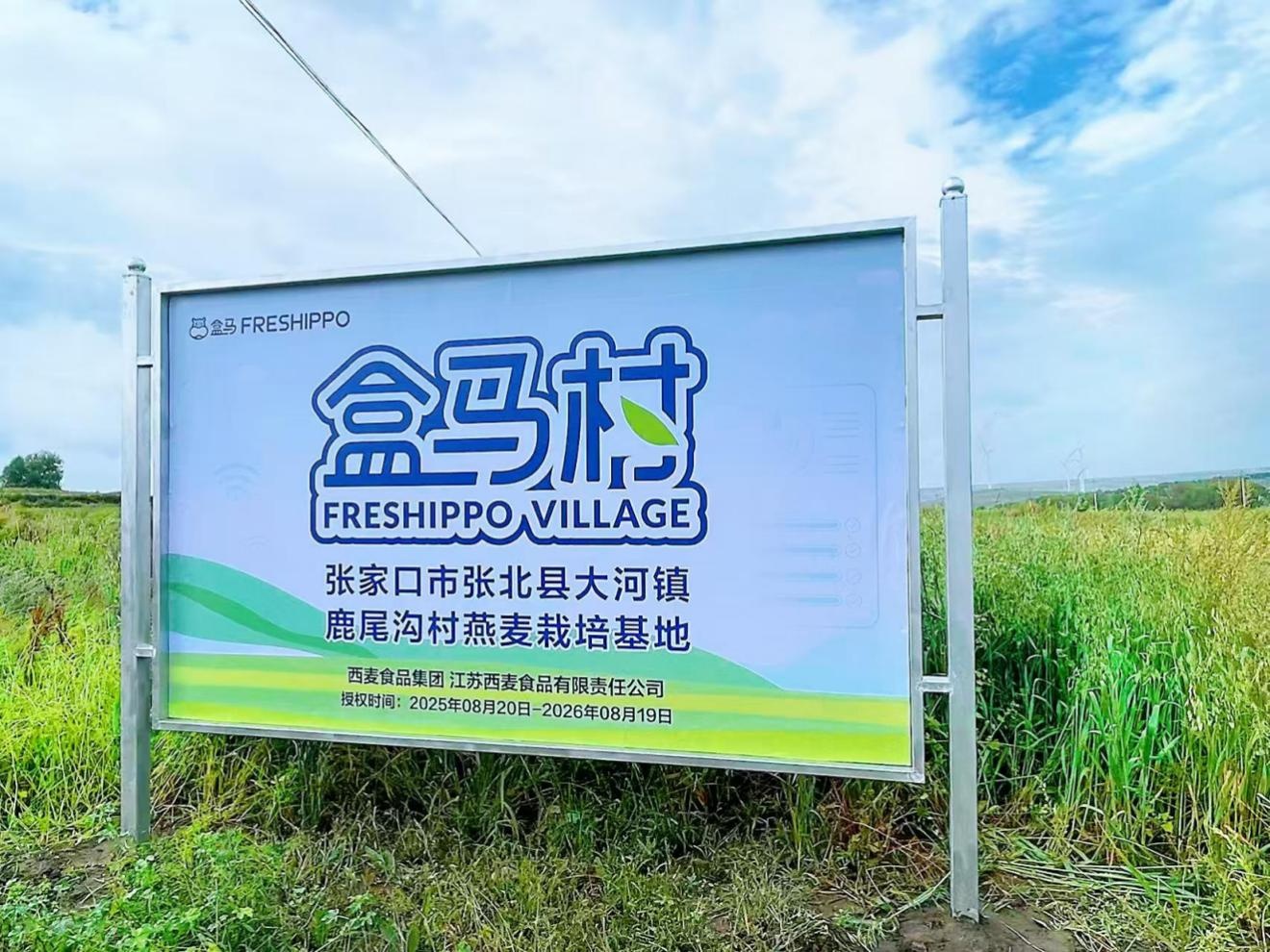
有机燕麦“盒马村”落户张北 阿里巴巴助力张北打造可持续发展样板县域
Yang Guang Wang· 2025-08-25 10:27
Core Insights - Alibaba collaborates with Zhangbei County government to establish an organic oat "Hema Village," with products like organic oat flakes and oat milk set to launch in October 2023 [1][3] - The initiative aims to leverage digital technology and platform ecosystems to promote sustainable development through organic agriculture in Zhangbei [1][3] Group 1: Agricultural Development - Zhangbei County, a key support area for Alibaba, has seen the establishment of its second "Hema Village" following the success of the "Bashang Organic Vegetable Hema Village" [3] - The region's unique cool climate, with an average altitude of 1400-1600 meters, provides natural advantages for organic agriculture, particularly for crops like broccoli [3][4] - Zhangbei accounts for 20% of the national oat planting area, with 100,000 acres certified for organic products [3] Group 2: Economic Impact - The two "Hema Villages" are expected to increase the income of over 500 local farmers [3] - The organic vegetable base currently supplies 7,000 to 10,000 portions of organic vegetables daily to Hema, with a projected annual output of 5,000 tons [4] - Alibaba's initiatives in Zhangbei aim to enhance the efficiency of organic farming through technological support and resource recycling [4] Group 3: Sustainable Practices - Alibaba has established a data center in Zhangbei since 2017, utilizing the region's low temperatures and abundant wind and solar resources for green energy [4] - The collaboration extends the green development model from the digital economy to agriculture, transforming Zhangbei's "cool advantage" into sustainable development momentum [4]