
未来空中作战系统(FCAS)

Search documents
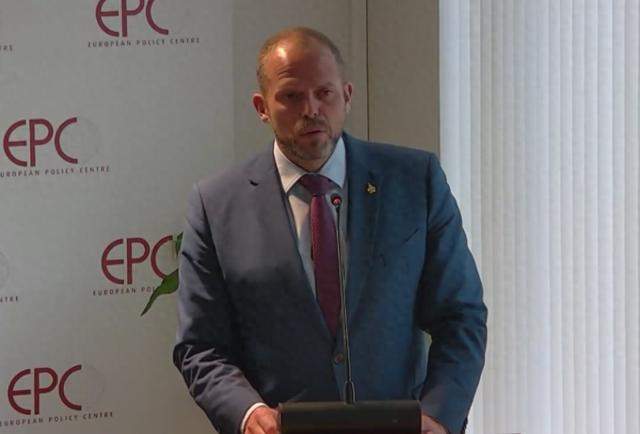
比利时国防大臣回应核威慑问题:不明白为什么欧洲领导人如此口无遮拦
Xin Lang Cai Jing· 2026-02-19 08:40
Group 1 - The discussion around enhancing Europe's nuclear deterrent capabilities is increasing, causing dissatisfaction among some countries [1][3] - Belgian Defense Minister Theo Francken criticized European leaders for their open discussions on nuclear deterrence, suggesting they should be more cautious [1][3] - German Chancellor Merz ruled out the possibility of developing a domestic nuclear deterrent but mentioned that German fighter jets could potentially carry French and British nuclear weapons [1][3] Group 2 - The Munich Security Conference highlighted the growing support among European nations for discussions on establishing domestic nuclear deterrent capabilities due to declining trust in the U.S. under Trump's leadership [3][4] - Spanish Prime Minister Sanchez emphasized that while Europe must strengthen its capabilities to deter Russia, rearming with nuclear weapons is not the correct approach [3] - Merz expressed concerns about Germany's participation in the Future Combat Air System (FCAS) project, indicating that unresolved design disagreements could lead Germany to reconsider its partnerships [4] Group 3 - The core disagreement between Germany and France regarding the FCAS project centers on the aircraft's specifications, with France wanting a nuclear-capable fighter while Germany does not see this as necessary [4] - Merz's comments signal a potential abandonment of the FCAS project if key design issues are not resolved, which Francken interpreted as a "death sentence" for the collaboration [4]

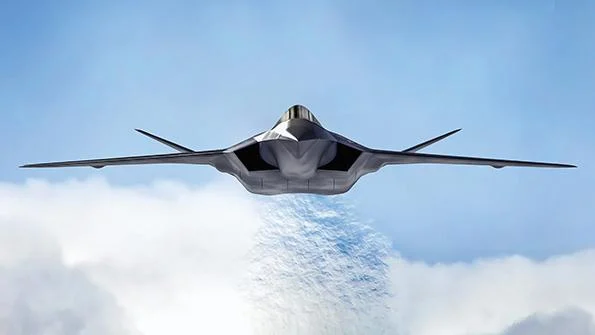
消息人士:法德西联合研发的未来空中作战系统濒临夭折
Xin Lang Cai Jing· 2026-02-09 14:30
Core Viewpoint - The Future Combat Air System (FCAS), a joint project by France, Germany, and Spain, is reportedly on the verge of collapse, with officials suggesting that announcing its termination is more likely than reviving it [1][2]. Group 1 - The FCAS project aims to develop a sixth-generation fighter jet, along with accompanying drones and combat cloud systems [1][2]. - A French lawmaker stated that the project is effectively dead, and this sentiment is widely recognized but not openly discussed [2]. - If the project fails, it would represent a significant political blow to French President Macron, who has been striving to save the initiative [1][2]. Group 2 - An anonymous official indicated that the project's collapse would send a "negative signal," highlighting the urgency of its revival efforts by Macron [1][2]. - There has been no immediate response from the German government or the French Ministry of Defense regarding the rumors of the project's impending failure [1][2].
马克龙“干不长了”,德意要在欧洲挑大梁?
Qi Lu Wan Bao· 2026-02-01 16:09
Group 1 - The article discusses the complex dynamics among major European powers (UK, France, Germany, Italy) in response to Trump's aggressive stance on trade and security issues, particularly regarding Greenland [4][5] - Macron's proposal for a G7 meeting in Paris aims to ease transatlantic tensions, although Trump dismissed the idea, indicating a lack of confidence in Macron's leadership [4] - The internal political instability in France, marked by failed no-confidence motions against Prime Minister Le Maire's government, undermines France's position as a leader in the EU [5] Group 2 - The article highlights the contrasting political stability in Italy under Meloni's leadership compared to the turmoil in France and Germany, with Italy being described as the most stable G7 member [6] - Recent high-level interactions among UK, France, Germany, and Italy reflect attempts to strengthen ties, but underlying disagreements on specific issues remain evident [6][7] - The article notes significant publicized divisions between France and Germany, particularly regarding EU financial strategies and trade agreements, which have led to tensions within the EU [7][8] Group 3 - The Future Combat Air System (FCAS) project, involving the UK, France, Germany, and Spain, is currently stalled due to conflicts between Dassault and Airbus, representing French and German interests respectively [7] - Italy's reluctance to support military actions proposed by France and the UK, as well as its criticism of their military commitments, indicates a divergence in defense strategies among these nations [7][8] - Despite a warm atmosphere during recent meetings between German and Italian leaders, the cooperation is described as tactical rather than a cohesive long-term strategy, highlighting limitations in their relationship [8]

外媒:德航空业警告称,若法方拿下欧洲第六代战斗机计划主导权,德国战机制造业恐面临终结
Huan Qiu Wang· 2025-11-30 02:49
Group 1 - The core issue revolves around the conflict between Germany and France regarding the leadership role in the Future Combat Air System (FCAS) project, which could jeopardize Germany's aircraft manufacturing industry if France's demands are met [1][3] - The FCAS project, estimated at around €100 billion, involves collaboration between France, Germany, and Spain, with Dassault Aviation seeking to dominate the fighter jet segment, while Airbus is responsible for drones and AI cloud technology [3] - Germany's aerospace industry association warns that allowing France to be the sole decision-maker in the fighter jet development would lead to Germany's industrial dependency on France, potentially using German taxpayer funds to consolidate European aerospace under French control [3] Group 2 - The project has been delayed by a year due to the strong stance taken by Dassault, which has expressed a willingness to proceed independently rather than continue collaboration with Airbus [3] - German Defense Minister Pistorius indicated that a decision on the future direction of the project must be made in the coming weeks, with a commitment to reach a conclusion by the end of the year [3]
“迄今最大反击”,盟友报复特朗普“竖中指”:要拒买F35
Guan Cha Zhe Wang· 2025-08-14 10:38
Core Viewpoint - The article discusses the growing frustration among U.S. allies regarding the Trump administration's tariffs and defense spending threats, leading to significant repercussions for U.S. defense contractors, particularly the F-35 fighter jet program [1][5]. Group 1: Impact on Defense Contracts - Spain has abandoned a multi-billion dollar F-35 procurement plan due to disputes over NATO's defense spending targets and U.S. tariffs [1][3]. - Switzerland is facing pressure to cancel its F-35 order, which is valued at approximately $15 billion, due to the impact of U.S. tariffs and rising costs [3][5]. - India is reportedly planning to retaliate against U.S. tariffs by suspending its purchase of American weapons, further threatening U.S. defense sales [1][5]. Group 2: Political and Economic Implications - The actions of Spain and Switzerland reflect a broader reevaluation of defense relationships with the U.S., indicating a significant backlash against U.S. tariff policies [1][3]. - The F-35 program, produced by Lockheed Martin, relies on a global supply chain, and reduced orders could lead to increased costs per aircraft [3][6]. - The article highlights that the Trump administration's tariffs are pushing European nations towards developing their own defense capabilities, potentially undermining U.S. military sales [7]. Group 3: Responses from U.S. Officials - Former Pentagon officials express that U.S. allies feel harmed by the tariffs, which could lead to long-term damage to U.S. defense relationships [1][6]. - Lockheed Martin attempts to downplay the impact of these cancellations, citing ongoing interest from other countries like the UK, Denmark, and Belgium [5][6]. - The White House defends the tariff policy as beneficial for the U.S. military-industrial base, claiming it will generate significant revenue for American companies [5].

