机器人厨房

Search documents
2026 AWE观察:机器人公司来了家电展,家电公司都在做机器人
经济观察报· 2026-03-15 04:06
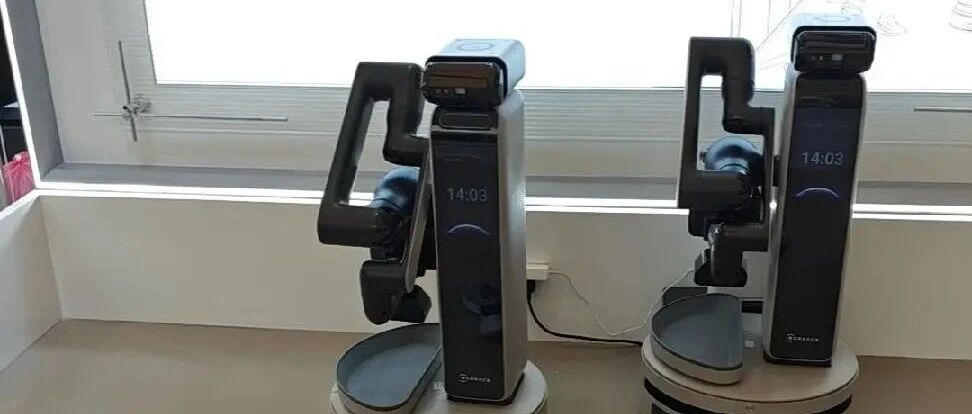
Core Insights - The 2026 AWE showcased a significant shift towards robotics and AI in the home appliance sector, with major brands like Haier, Midea, and TCL prominently featuring these technologies [2][4][10] - A new standard for smart home interoperability was introduced, aiming to unify communication between devices from different brands, addressing a major pain point in the industry [3][14][15] Group 1: Robotics and AI Innovations - The AWE featured over 60 robot models from various companies, indicating a growing trend of traditional appliance manufacturers entering the robotics space [2][5] - Notable products included the "Eight Realms" robot from Ecovacs, which integrates AI capabilities for task planning, and Haier's "Havva" series of household service robots [4][5] - AI is being integrated into traditional appliances, such as TCL's flagship TV that uses AI for automatic picture adjustments and air conditioners that monitor sleep patterns [10][12] Group 2: Industry Standards and Interoperability - The GIIC alliance announced the OneConnect standard, which aims to facilitate device interoperability across different brands, addressing the current lack of cross-brand communication [14][15] - The standard includes specifications for device access, control interfaces, and safety requirements, covering nearly 200 product categories [16][15] - The push for these standards is driven by both government initiatives and the recognition among companies that collaboration is essential for industry growth [18][19] Group 3: Market Trends and Future Directions - The home appliance industry is at a transformative point, with AI becoming a core driver of innovation, as highlighted by industry leaders during the AWE [19] - The focus is shifting from merely adding smart features to creating products that address consumer pain points and enhance value [10][19] - The establishment of the OneConnect standard is expected to lead to a more cohesive smart home ecosystem, enhancing user experience and driving market growth [17][18]






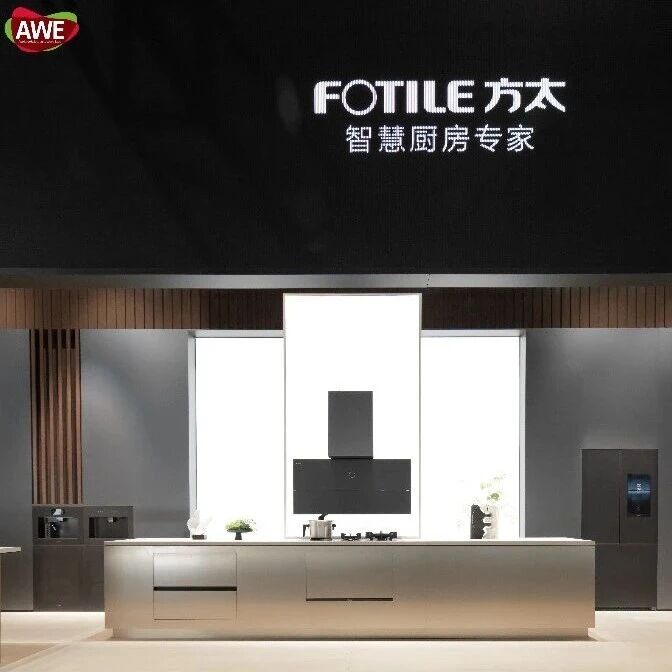
AI怎么下厨房?方太给了新解法
36氪未来消费· 2026-03-13 05:44
Core Viewpoint - The article emphasizes the need for a standardized capability grading system in the kitchen appliance industry to facilitate the evolution of smart kitchens, similar to the advancements seen in the automotive sector with autonomous driving standards [3][5]. Group 1: Industry Challenges - The kitchen is identified as a complex environment for AI implementation due to the interaction of various physical elements like water, electricity, and gas [3]. - The current state of the smart kitchen industry is characterized by fragmented technologies and unclear definitions, leading to consumer confusion between genuine smart solutions and marketing gimmicks [3][5]. Group 2: FOTILE's Innovations - FOTILE has introduced the world's first "growing" kitchen robot system, which utilizes a heterogeneous robot collaboration matrix to automate the entire cooking and cleaning process, making it accessible for novice cooks [5][7]. - The company has released the "Global Smart Kitchen Innovation Development White Paper," which outlines a clear progression from L0 (basic functionality) to L5 (full meal process automation) [5][8]. Group 3: Product Features - The FOTILE Yu Ying Series 2.0 integrates a proprietary cooking model that manages health aspects, such as purine reduction for high uric acid individuals, achieving a 46% reduction in storage, 30% in cleaning, and 37% in cooking [10]. - The series features a smart refrigerator that generates meal plans based on individual health metrics and preferences, enhancing the cooking experience [10][9]. Group 4: Ecosystem Development - FOTILE recognizes that advancing AI in kitchens requires collaboration across brands and categories, leading to the initiation of a global smart kitchen ecosystem to break down barriers and promote cross-category synergy [15]. - The ultimate goal is to create a human-centered, collaborative environment where technology seamlessly integrates into daily life, making it invisible yet highly functional [16].