
厨电行业

Search documents
AI怎么下厨房?方太给了新解法
36氪未来消费· 2026-03-13 05:44
Core Viewpoint - The article emphasizes the need for a standardized capability grading system in the kitchen appliance industry to facilitate the evolution of smart kitchens, similar to the advancements seen in the automotive sector with autonomous driving standards [3][5]. Group 1: Industry Challenges - The kitchen is identified as a complex environment for AI implementation due to the interaction of various physical elements like water, electricity, and gas [3]. - The current state of the smart kitchen industry is characterized by fragmented technologies and unclear definitions, leading to consumer confusion between genuine smart solutions and marketing gimmicks [3][5]. Group 2: FOTILE's Innovations - FOTILE has introduced the world's first "growing" kitchen robot system, which utilizes a heterogeneous robot collaboration matrix to automate the entire cooking and cleaning process, making it accessible for novice cooks [5][7]. - The company has released the "Global Smart Kitchen Innovation Development White Paper," which outlines a clear progression from L0 (basic functionality) to L5 (full meal process automation) [5][8]. Group 3: Product Features - The FOTILE Yu Ying Series 2.0 integrates a proprietary cooking model that manages health aspects, such as purine reduction for high uric acid individuals, achieving a 46% reduction in storage, 30% in cleaning, and 37% in cooking [10]. - The series features a smart refrigerator that generates meal plans based on individual health metrics and preferences, enhancing the cooking experience [10][9]. Group 4: Ecosystem Development - FOTILE recognizes that advancing AI in kitchens requires collaboration across brands and categories, leading to the initiation of a global smart kitchen ecosystem to break down barriers and promote cross-category synergy [15]. - The ultimate goal is to create a human-centered, collaborative environment where technology seamlessly integrates into daily life, making it invisible yet highly functional [16].

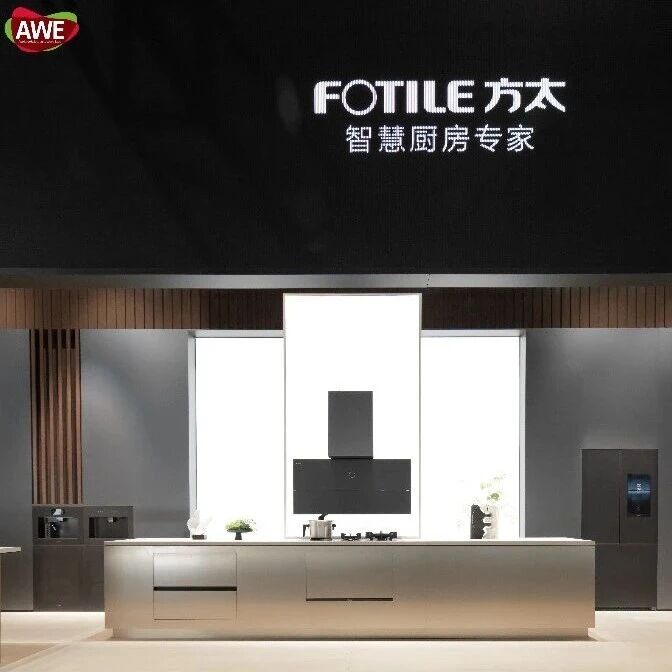
浙江美大智能化转型 以AI与生态重构深度融合智慧厨电生态
Quan Jing Wang· 2026-02-05 03:13
Core Insights - Zhejiang Meida Industrial Co., Ltd. forecasts a net profit of 10 million to 15 million yuan for 2025, amidst severe challenges in the integrated stove industry [1] - The company is leveraging AI technology and a diversified ecosystem strategy to seek new growth engines in a sluggish market environment [1] Industry Overview - The overall demand in the integrated stove industry is slowing down due to a prolonged downturn in the real estate market and weakened consumer spending [1] - Integrated stoves are closely linked to new home renovations and old home upgrades, making them directly affected by fluctuations in the real estate market [1] Strategic Adjustments - In response to market changes, the company is actively restructuring its product offerings, focusing on a strategy centered around "scenario-based, integrated, and AI intelligent" solutions [1] - The company held an annual meeting in January 2026, themed "New Situation, New Model, New Development," which served as a strategic starting point for launching new products focused on "smart cooking, healthy kitchens, and integrated aesthetics" [1][2] Technological Advancements - The company has been investing in smart technology, launching a series of AI-integrated products since 2024, including a design software called "AI Meida Home" aimed at enhancing terminal sales [2] - In June 2025, the company invested approximately 110 million yuan in an autonomous driving technology company, acquiring about 4.87% of its shares [2] Alignment with National Policies - The company's strategic adjustments align with national policies promoting "large-scale equipment updates and consumer goods replacement," reflecting a shift from "incremental growth" to "structural optimization" in the kitchen appliance industry [2] - The integrated stove, being space-saving and energy-efficient, fits well within the trend of energy conservation and environmental protection [2] Market Position and Future Outlook - Despite external challenges leading to a temporary decline in revenue, the company maintains its leading position in the integrated stove sector and is exploring multi-channel marketing strategies to boost scale and profitability [3] - The kitchen appliance industry is undergoing a fundamental shift towards "smart" and "intelligent" products, with a vision for integrated smart kitchen solutions by 2030 [3] - The company is working to bridge the gap between the "smart ecosystem within the kitchen" and the "technological vision outside the kitchen" [3][4]

茅忠群:在中国经济转型浪潮中书写“文化引领、创新驱动”的企业答卷
Jing Ji Wang· 2026-02-02 08:13
Core Insights - The Chinese kitchen appliance industry is experiencing a mild recovery in 2025, supported by the "trade-in" national subsidy policy, but competition among existing players is intensifying, with retail sales reaching 78.9 billion yuan in the first half of the year, highlighting further industry differentiation [1] - Fotile Group has achieved annual revenue exceeding 17 billion yuan, showing a slight year-on-year increase, thereby solidifying its leading position in the high-end kitchen appliance market [1] Group 1: Company Growth and Management Philosophy - Founded in 1996, Fotile has evolved into a leading enterprise in China's kitchen appliance sector, with its growth trajectory closely aligned with China's economic cycles, manufacturing transformation, and cultural revival [1] - Chairman and CEO Mao Zhongqun emphasizes "cultural leadership and innovation-driven" as the essence of Fotile's growth over the past decade, which serves as a mature case for modern enterprise management in China [1][7] - In its early years, Fotile adopted a "professional, high-end, and boutique" strategy, investing 30 million yuan in R&D to establish a high-end brand for Chinese consumers [2] Group 2: Management System Development - Faced with management bottlenecks that led to two years of stagnation, Mao pursued an EMBA to learn Western management practices, which were then integrated into Fotile's operations [2] - Fotile became one of the first Chinese companies to adopt Western management systems, implementing tools such as 5S management, TQM, and IPD processes to transition into a modern enterprise [2] Group 3: Cultural Integration and Innovation - Recognizing the challenges of applying Western management in China, Mao sought to blend traditional Chinese culture with modern management practices, inspired by successful Japanese models [3] - Starting in 2004, Mao engaged in studies of traditional Chinese culture, laying the groundwork for the establishment of the "Fotile Culture" management system [4] - The introduction of Confucian values into the management framework helped address issues of employee behavior and compliance, fostering a culture of self-discipline [5] Group 4: Achievements and Future Goals - By 2017, Fotile became the first kitchen appliance company in China to surpass 10 billion yuan in revenue, prompting Mao to consider promoting Fotile's management model to other enterprises [6] - The company's cultural management practices have been recognized by institutions like Harvard Business School, with over 30 instances of being cited as a classic case [6] - Looking ahead, Fotile aims to establish itself as a national treasure brand, create a global development framework, and lead innovations in kitchen and family health solutions, targeting a revenue milestone of 100 billion yuan [9]

帅丰电器业绩持续缩水将被*ST背后:行业天花板下调 以价难换量
Xin Lang Cai Jing· 2026-01-30 15:06
Core Viewpoint - Shuaifeng Electric's performance continues to decline, leading to a potential *ST warning due to financial losses in 2025, with revenue expected to fall below 300 million yuan [1][2] Group 1: Financial Performance - The company anticipates a total profit of -57 million to -38 million yuan for 2025, with a net profit attributable to shareholders expected to be -62 million to -43 million yuan [1] - Revenue is projected to be between 210 million to 250 million yuan, with core business revenue expected to be 200 million to 240 million yuan, indicating a significant drop below the 300 million yuan threshold [1][2] Group 2: Industry Context - The integrated stove industry, which Shuaifeng Electric operates in, is experiencing a downturn, with retail sales expected to decline from 25.6 billion yuan in 2021 to 17.3 billion yuan in 2024, a decrease of 30.6% [6] - The market for integrated stoves is closely tied to the real estate cycle, with new housing sales in China declining by 3.5% in 2023 and 2024, impacting kitchen appliance sales [5][6] Group 3: Competitive Landscape - The company's gross margin has significantly decreased from approximately 45% to 32.48% in recent quarters, indicating potential involvement in price wars amid declining sales [8] - Competitors in the integrated stove market, such as Yitian Intelligent, are also reporting substantial losses, with net profits expected to decline by over 800% year-on-year [10] Group 4: Strategic Moves - In response to its core business struggles, Shuaifeng Electric is diversifying through cross-industry investments, including a 53 million yuan investment in a venture capital fund focused on digital technology [12] - The investment in the fund represents 50.08% of the fund's total size and is aimed at generating financial returns, although it is noted that the company will have minimal control over the target company [12][13]

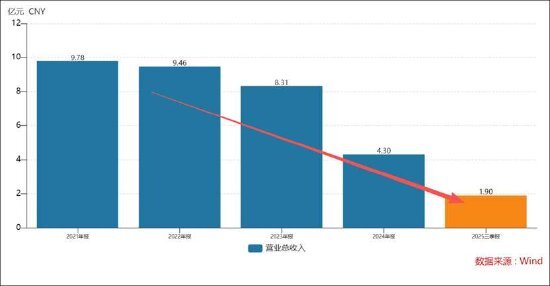
亿田智能(300911.SZ):预计2025年净亏损1.52亿元-1.86亿元
Ge Long Hui A P P· 2026-01-23 14:47
Core Viewpoint - The company Yitian Intelligent (300911.SZ) expects a significant decline in net profit for 2025, projecting a loss between 186 million to 152 million yuan, with a further adjusted loss of 204 million to 167 million yuan after excluding non-recurring gains and losses [1] Group 1: Financial Performance - In 2025, the company anticipates a decrease in overall sales revenue and profit due to a slowdown in the real estate market, leading to fluctuations in orders and reduced demand [1] - The projected net profit attributable to shareholders will be negatively impacted by asset impairment losses as per accounting standards, contributing to the decline in both net profit and adjusted net profit [1] Group 2: Product and Market Dynamics - The company is adjusting its product structure in response to consumer downgrading, increasing the proportion of cost-effective products like disinfection cabinets compared to the same period last year, although the average product price has decreased [1] - The initial phase of the computing power business has not yet achieved economies of scale, resulting in profit pressure [1] Group 3: Financial Obligations - The payment of interest related to the convertible bonds issued by the company will have a certain impact on the current performance [1]

当AI走进后厨:商用厨房正在发生的一次系统性升级
Di Yi Cai Jing· 2026-01-22 10:56
Core Insights - The restaurant industry is experiencing a dichotomy where consumer interest in cooking processes is rising, emphasizing "freshly cooked" and "wok flavor," while operators face increasing pressures related to costs, labor, and efficiency [3] - The kitchen, particularly the back-of-house operations, is under strain from conflicting demands for consumer experience and operational profitability, leading to a transformation in how kitchens are managed and operated [3] Industry Overview - The commercial kitchen market is substantial, with a projected revenue of 57,982 billion yuan by 2025, yet the penetration of smart technology remains below 10% [4] - The operational logic of commercial kitchens has traditionally relied on human experience, which becomes problematic as restaurants scale up, leading to challenges in consistency and rising labor costs [4][5] Technological Integration - Cooking robots are emerging as essential operational tools, addressing the most challenging aspects of kitchen standardization, such as timing and experience [5] - Companies like Boss Electric are integrating AI and systematic capabilities into their long-term strategies to address efficiency and stability issues in the restaurant industry [5][8] Strategic Moves - Boss Electric's investment in Youte Smart Kitchen signifies a shift towards a more data-driven approach in kitchen operations, allowing for the collection and calibration of cooking processes [8][11] - The focus is shifting from individual equipment to system capabilities, with the potential for significant competitive advantages for those who can create a closed loop of "equipment-data-system" [11][12] Future Directions - The commercial kitchen sector is moving towards a systematic competition phase, where understanding the entire cooking process becomes crucial for success [13][16] - The integration of AI into kitchens is not merely about automation but about creating a comprehensive management system that enhances overall kitchen efficiency and collaboration [15][18] Conclusion - The evolution of commercial kitchens is driven by the need for efficiency and consumer expectations for authentic cooking experiences, with AI technology playing a pivotal role in this transformation [18][19]

当AI走进后厨:商用厨房正在发生的一次系统性升级
第一财经· 2026-01-22 10:25
Core Viewpoint - The restaurant industry is experiencing a tension between consumer demand for authentic cooking and operational pressures on restaurant operators, leading to a transformation in kitchen operations where AI and automation are becoming integral to managing efficiency and experience [3][22]. Group 1: Market Potential - The commercial kitchen market is substantial, with a projected revenue of 57,982 billion yuan by 2025, yet the penetration of smart technology is below 10% [5]. - The operational logic of commercial kitchens has traditionally relied on human experience, which becomes problematic as restaurants scale up, leading to challenges in consistency and rising labor costs [5][6]. Group 2: Technological Integration - Cooking robots are emerging as essential operational tools, addressing the most challenging aspects of kitchen standardization, such as timing and experience [6]. - Companies like Boss Electric are integrating AI into their long-term strategies for commercial kitchens, utilizing extensive cooking data to enhance kitchen management and operational efficiency [6][9]. Group 3: Strategic Positioning - Boss Electric's investment in Youte Smart Kitchen signifies a shift towards a comprehensive kitchen system rather than merely supplying equipment, aiming to create a cohesive operational framework [12][18]. - The focus of competition in the commercial kitchen sector is shifting from individual devices to system capabilities, emphasizing the need for a holistic approach to kitchen management [12][18]. Group 4: Future Implications - The evolution of commercial kitchens is driven by the need for efficiency and consumer expectations, with AI technology playing a crucial role in this transformation [22]. - As kitchens become more systematized and managed, those relying solely on traditional methods may find themselves increasingly outpaced by more innovative competitors [22][23].


老板电器四十七年:厨房里的“第三次进化”
Jing Ji Guan Cha Wang· 2026-01-15 10:15
Core Insights - The article emphasizes the shift in the tech industry from computational power to the physical application of AI, particularly in the kitchen, highlighting the need for AI to solve real-world problems rather than just generating images or data [2][3] - The kitchen appliance industry is facing challenges as traditional hardware competition based on parameters like suction power and firepower is becoming less effective, leading to a need for innovation that addresses user experience and cooking capabilities [3][4][5] Industry Trends - The competition in the kitchen appliance sector has been primarily focused on hardware specifications, which has led to a lack of innovation that addresses the actual needs of users [3][4] - Young consumers face challenges not just in cleaning up smoke but also in deciding what to cook and mastering cooking techniques, indicating a shift in consumer needs [4][5] Company Strategy - Boss Electric is positioning itself to "leapfrog" the competition by developing the "Shishen" AI cooking model, which elevates the competition from hardware to software and algorithms [6][8] - The "Shishen" model is the first AI cooking model in China, trained on 47 years of culinary data, and is designed to assist users in meal preparation by integrating with kitchen appliances [8][9] Business Performance - In Q3 2025, Boss Electric reported significant growth, with digital kitchen appliance sales increasing by 55%, demonstrating a clear consumer willingness to pay for enhanced user experiences [9][10] - The user base for the Shishen app exceeded 6 million by the end of 2025, with a 30% increase in monthly active users in Q3 alone [10] Data and Innovation - Boss Electric has secured seven data property registration certificates, marking a significant milestone in the kitchen appliance industry by treating data as a core asset rather than a byproduct [14][15] - The company has applied for 9,448 patents, with a leading number of patents related to the AI cooking model, establishing a strong technological barrier in the industry [15] Market Expansion - Boss Electric is expanding into the commercial kitchen sector with a strategic investment of 100 million yuan in Youte Smart Kitchen, leveraging the Shishen model to enhance cooking standards in commercial settings [18][19] - The Shishen model's capabilities are being utilized to standardize cooking processes in commercial kitchens, demonstrating its versatility beyond home use [19] Cultural Engagement - In 2025, Boss Electric partnered with the Michelin Guide to democratize culinary skills, allowing users to replicate Michelin-level dishes at home through the Shishen app [21][24] - The company is also focusing on cultural initiatives, such as the "Xunxianji" IP activity, to reconnect people with cooking and fresh ingredients, enhancing the brand's presence and relevance in the culinary space [27][28]
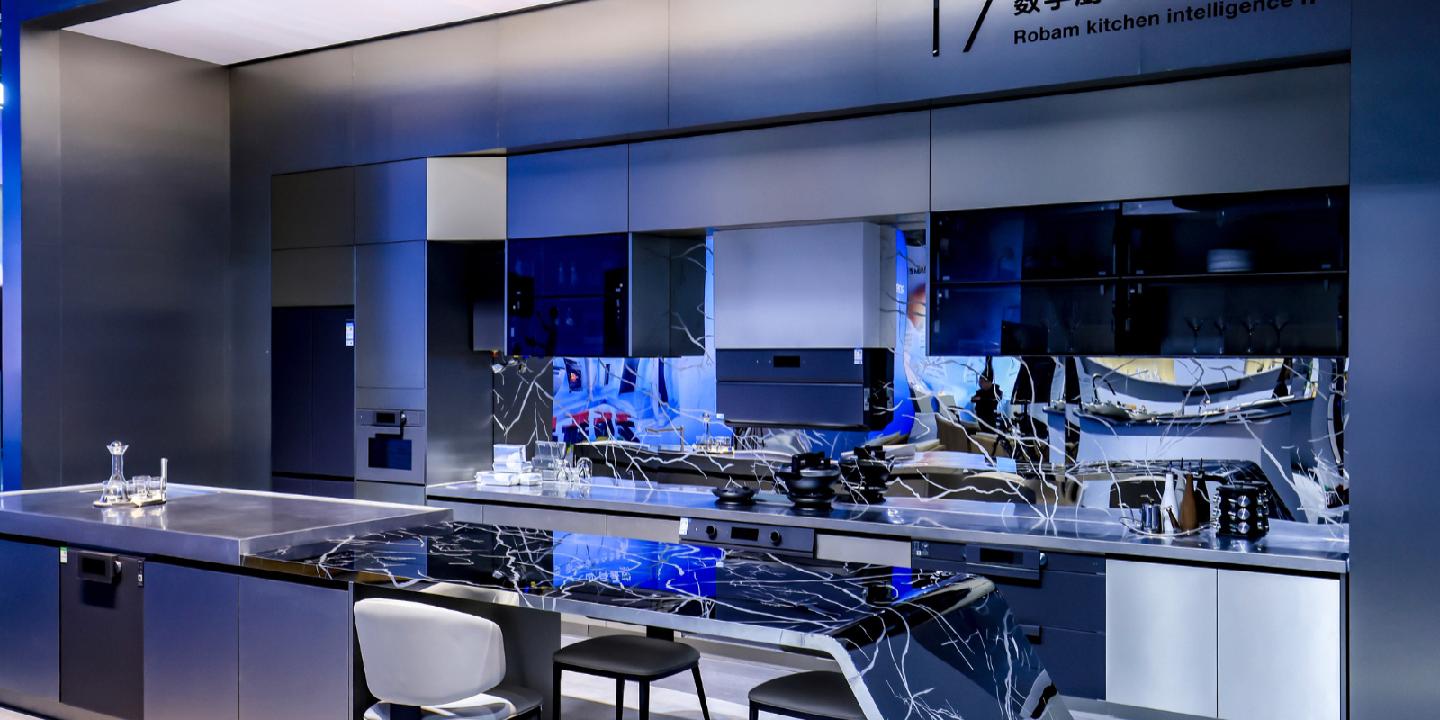
杭州老板电器股份有限公司关于对外投资的自愿披露公告
Shang Hai Zheng Quan Bao· 2026-01-12 18:12
Core Viewpoint - The company, Hangzhou Robam Appliances Co., Ltd., has signed a preliminary investment cooperation letter with Utcook Intelligence International Holdings Limited to invest RMB 100 million to promote innovation in the smart kitchen appliance industry and deepen the market for smart cooking robots [2][6][11]. Group 1: Transaction Overview - The investment cooperation letter aims to foster technological innovation and ecological integration in the smart kitchen appliance sector, focusing on the smart cooking robot niche market [2][6]. - The investment will be made in the form of cash capital increase, amounting to RMB 100 million [8]. - The target company, Utcook Intelligence International Holdings Limited, is undergoing a shareholding change and will receive the investment based on its future share structure [2][4]. Group 2: Target Company Information - Utcook Intelligence International Holdings Limited is registered in the Cayman Islands with a capital of USD 50,000, divided into 500 million ordinary shares [4][7]. - The domestic operating entity, Zhuhai Utcook Technology Co., Ltd., specializes in providing automated solutions for the catering industry, focusing on smart cooking robots [5][11]. - Zhuhai Utcook has over 1,000 patents and is a key contributor to the national standard for commercial smart cooking machines [11]. Group 3: Investment Intent and Strategic Vision - The investment aims to establish a deep strategic partnership between the company and Utcook, leveraging their strengths in smart kitchen technology, product development, and market channels [7][11]. - The collaboration is expected to create a new market space in the smart catering sector, enhancing both parties' competitive positions [7][11]. Group 4: Next Steps and Confidentiality - The parties will draft formal transaction documents, including an increase agreement and a shareholder agreement, with specific terms to be defined in these documents [9][10]. - A confidentiality clause is included, ensuring that all parties maintain the confidentiality of the agreement's contents and any sensitive information obtained during the transaction preparation [10].
老板电器:拟向优特智厨增资1亿元 共同深耕智能炒菜机器人市场
Zheng Quan Shi Bao Wang· 2026-01-12 12:19
Core Viewpoint - The company, Boss Electric (002508), has signed an investment cooperation intention letter with Yute Smart Kitchen International Holdings Limited, committing to a cash increase of 100 million RMB to Yute Smart Kitchen [1] Group 1: Strategic Collaboration - The company and Zhuhai Yute Smart Kitchen have significant strategic synergy in areas such as smart kitchen appliance technology, product research and development, supply chain, and market channels [1] - Following the signing of the agreement, a deep strategic partnership will be established between the company and Zhuhai Yute Smart Kitchen to jointly explore the niche market of smart cooking robots [1]