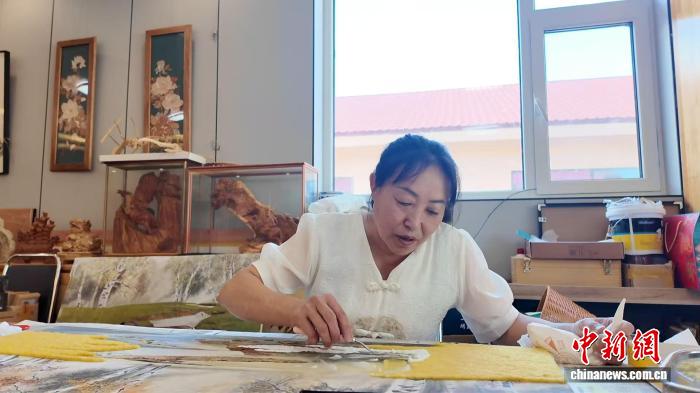
树皮画

Search documents
文化展示交流人气旺(走进服贸会)
Ren Min Ri Bao· 2025-09-13 21:50
Group 1 - The "Colorful World" cultural exchange event showcased cultural and regional characteristics from 20 Belt and Road Initiative countries, highlighting the importance of international collaboration in trade and tourism [1] - Rwandan exhibitors emphasized the benefits of the Belt and Road Initiative and China's zero-tariff policy, which facilitate the entry of Rwandan coffee into the Chinese market [1] - Moldovan exhibitors expressed optimism about deepening trade and cultural cooperation with China through the platform provided by the event, noting significant interest in wine tourism [1] Group 2 - The cultural service exhibition area covered 11,100 square meters and featured over 400 domestic and international enterprises, including 83 Fortune 500 companies [2] - The exhibition theme "Empowered by Technology, Led by Creativity" included four main sections: traditional Chinese culture, new cultural productivity, integration of culture and tourism, and overseas dissemination of cultural products [2] - Participants experienced the latest achievements in the integration of technology and the cultural tourism industry through immersive technologies like augmented reality and 3D displays [2]
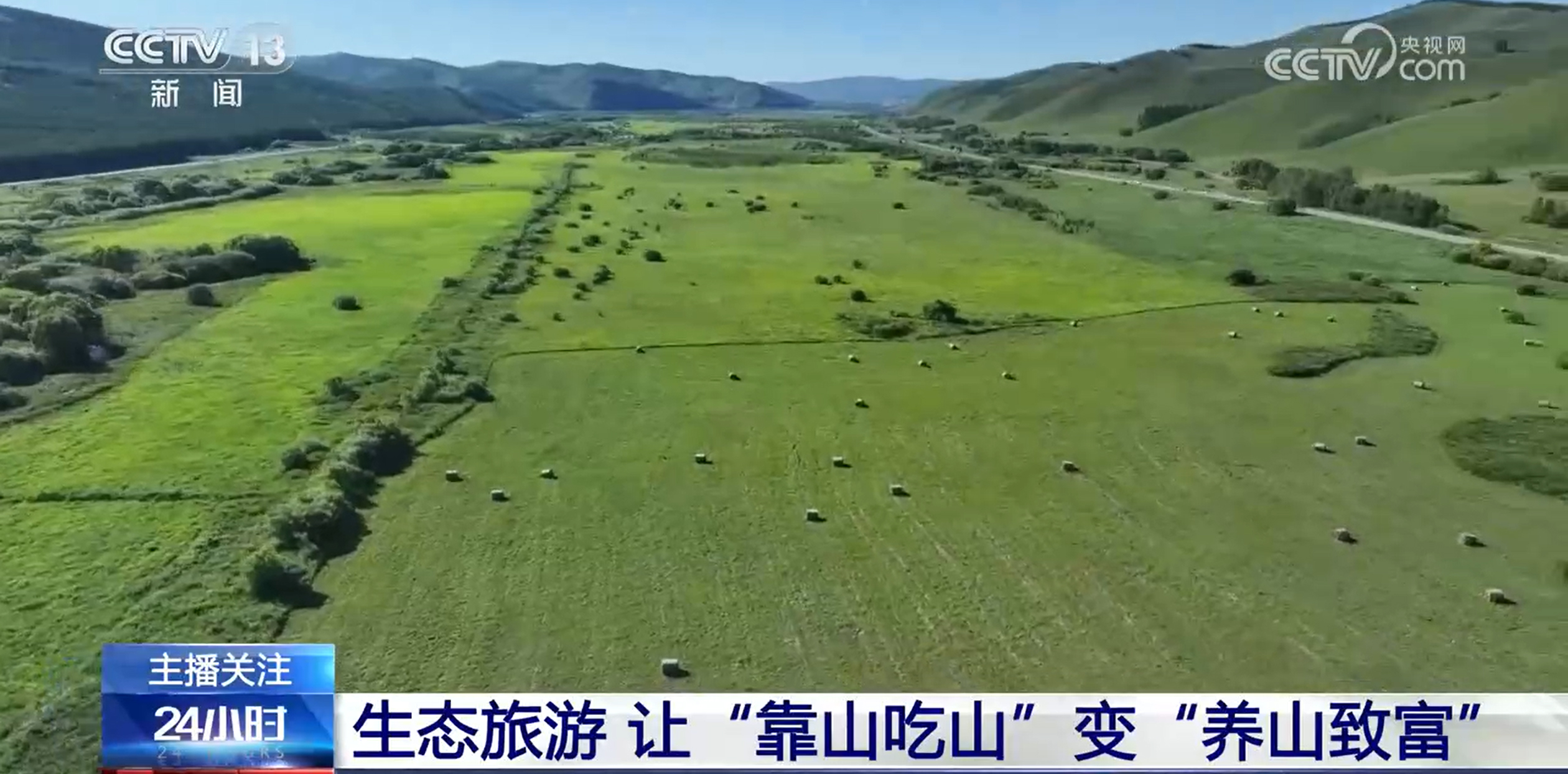
内蒙古阿尔山:生态旅游让“靠山吃山”变“养山致富”
Yang Shi Wang· 2025-08-13 22:43
Core Viewpoint - Ecotourism in Inner Mongolia's Arxan City exemplifies the transformation of the "green mountains and clear waters are invaluable assets" philosophy into tangible economic benefits through ecological protection and resource utilization [1]. Group 1: Ecological Restoration and Tourism Development - Arxan City has achieved a forest coverage rate of 81.2%, with 86% of the city area included in ecological protection zones, showcasing significant ecological restoration efforts [5]. - The local government encourages residents to participate in ecotourism, leading to substantial income increases while preserving the environment [7]. - In 2024, Arxan City received over 5.7 million tourists, generating tourism revenue exceeding 7 billion yuan, nearly tripling from 2014 levels [9]. Group 2: Community Involvement and Economic Benefits - Local residents have shifted from traditional livestock farming to ecotourism, with individuals like Li Long transitioning from raising cattle to operating a reindeer farm and tourism services, resulting in higher seasonal incomes [7][9]. - The integration of traditional crafts, such as birch bark art, into the tourism sector has provided additional income opportunities for local artisans, with some earning over 10,000 yuan annually [4].

欧洲学者和社媒网红体验非遗树皮画
人民网-国际频道 原创稿· 2025-08-13 01:01
Core Points - The event "Human Rights Action Observing China 2025" took place in Inner Mongolia, focusing on "green development and harmonious coexistence" [2] - Participants included over 40 scholars, social media influencers, and journalists from nine European countries, including Italy, Greece, Hungary, and France [2] Group 1 - The event highlighted the cultural heritage of tree bark painting in Bai Lang Town, Arxan City, showcasing its historical significance and current status [2] - Tree bark painting utilizes birch bark as a raw material, employing various techniques such as cutting, carving, and engraving to create semi-relief artworks [2] - The artworks reflect both the beauty of nature and the wisdom and emotions of the local forest community [2]
内蒙古林区:树皮作画 生活开“花”
Zhong Guo Xin Wen Wang· 2025-08-01 04:44
Core Insights - The article highlights the transformation of the birch bark painting industry in Baiwolf Town, Inner Mongolia, as a means to promote local employment, tourism, and economic development [1][2][3] Group 1: Industry Development - The birch bark painting craft has a long history in the region, with local residents traditionally using birch bark for various household items [1] - The industry faced initial challenges in modern acceptance, but innovative approaches in design and marketing have led to increased sales and popularity [2] - The establishment of a non-material cultural heritage experience center in Baiwolf Town has facilitated the teaching and preservation of this craft [3] Group 2: Economic Impact - The birch bark painting industry has become a source of income for local residents, with individuals like Zhao Guihua earning up to 4,000 yuan per month from this side business [3] - The integration of birch bark paintings into tourism has positioned them as unique cultural products, enhancing their visibility and marketability [2] - The promotion of birch bark paintings at international cultural exchange events has further expanded their reach and recognition [2]
(乡村行·看振兴)内蒙古林区:树皮作画 生活开“花”
Zhong Guo Xin Wen Wang· 2025-08-01 01:05
Core Viewpoint - The article highlights the transformation of the bark painting industry in Baiwolf Town, Inner Mongolia, showcasing how traditional craftsmanship has evolved into a viable economic opportunity for local residents, promoting employment and tourism while preserving cultural heritage [4][5][6]. Group 1: Industry Background - Baiwolf Town is located in the Inner Mongolia Autonomous Region and was once known for its booming logging industry during the 1970s and 1980s. However, with the implementation of the Natural Forest Protection Project in 2000, local loggers shifted towards tourism and animal husbandry [4]. - The traditional craft of bark painting, which has a long history in the area, gained renewed attention as locals began to create various products such as storage boxes, vases, lampshades, and wall decorations using birch bark [4][5]. Group 2: Economic Development - The bark painting industry is seen as a new path for promoting local employment, tourism, and economic development. Li Yanhong, a representative inheritor of the bark painting craft, has played a significant role in revitalizing this traditional art form [5][6]. - Since 2019, the bark paintings have participated in cultural exchanges and exhibitions, including nearly 20 appearances at platforms like the China Intangible Cultural Heritage Expo, enhancing their visibility and sales [6]. Group 3: Cultural Preservation and Community Impact - The establishment of a non-material cultural heritage experience center in Baiwolf Town in 2021 has facilitated the teaching of bark painting to a broader audience, ensuring the craft's continuity across generations [6]. - Local artisans, such as Zhao Guihua, have reported significant income increases from bark painting, with some earning up to 4,000 yuan per month, demonstrating the craft's potential for flexible employment and economic empowerment [8].