橡塑填料

Search documents
准格尔旗煤炭“变形记”:矿山长出绿色经济,煤废实现价值裂变
Xin Lang Cai Jing· 2025-12-30 00:26
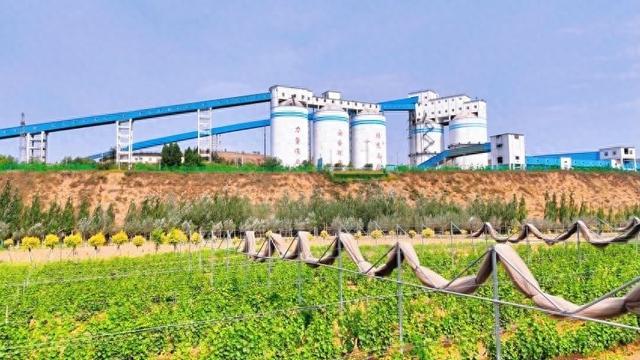
Core Viewpoint - The coal industry in the coal-producing county of Zhugeerqi is undergoing a comprehensive transformation, focusing on sustainable development and value creation through intelligent and green practices [1][3][15]. Group 1: Industry Transformation - Zhugeerqi, with a population of less than 400,000, plays a crucial role in supplying energy to 25 provinces and regions in China, with coal stability being a key pillar of its development [3]. - The region is implementing intelligent upgrades in coal mining, with robots monitoring underground conditions and enhancing safety and efficiency [4][6]. - The Inner Mongolia Energy Group's new power plant aims to achieve a breakthrough in energy efficiency, consuming only 274 grams of coal to generate one kilowatt-hour of electricity, which is about 10% less than the national average [17][18]. Group 2: Smart Mining Practices - The Dafenpu coal mine has undergone significant intelligent transformation since 2022, achieving an 80% level of overall intelligence in operations, which enhances both safety and production efficiency [8][9]. - The implementation of smart systems allows for remote monitoring and control of mining operations, reducing the need for on-site personnel and improving operational efficiency [6][8]. Group 3: Waste Utilization and Value Creation - Companies like Yuhua New Technology Materials are transforming industrial waste, such as fly ash, into high-value products like grinding balls, significantly increasing their market value from under 100 yuan per ton to between 6,500 and 8,500 yuan [11][13]. - The region is addressing the challenge of coal waste management by developing new materials and products from coal by-products, contributing to a circular economy [14][19]. Group 4: Green Mining Initiatives - The Dafenpu coal mine has been recognized as a national-level green mine, focusing on ecological restoration and sustainable agricultural practices alongside coal production [19][22]. - The establishment of the Inner Mongolia Liangyun Agricultural Development Company reflects the commitment to sustainable practices, with initiatives to plant economic trees and create a modern ecological agricultural landscape [19][23]. - Zhugeerqi is positioning itself as a model for resource-based cities to achieve green, efficient, and sustainable development, with multiple green mines contributing to the local ecosystem [22][23].

“无废城市”建设的内蒙古实践
Zhong Guo Huan Jing Bao· 2025-07-02 01:26
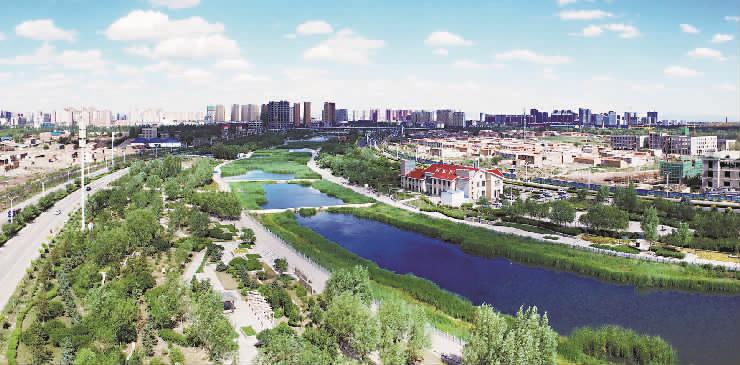
Group 1: Industry Overview - Inner Mongolia is a significant energy and strategic resource base in China, with the largest proven coal reserves in the country, accounting for one-fourth of the national reserves, and the highest rare earth reserves [2][11] - In 2024, Inner Mongolia's coal production is expected to reach 1.29 billion tons, fulfilling a supply task of 830 million tons, which constitutes 34.5% of the national total [2] - The region is also facing challenges related to the large stockpile of coal-based solid waste, such as coal gangue and fly ash, which pose environmental risks [2] Group 2: Policy and Governance - The Inner Mongolia Autonomous Region has implemented various policies to support the construction of "waste-free cities," including regulations on solid waste pollution prevention and comprehensive ecological restoration plans [3][4] - The Ministry of Ecology and Environment has initiated a plan to promote the construction of approximately 100 "waste-free cities" during the 14th Five-Year Plan period, with Hohhot, Baotou, and Ordos included in the list [3] Group 3: Technological Innovation - The transformation of fly ash, a byproduct of the coal industry, into strategic resources like alumina has been achieved through collaboration between companies and universities, establishing a model project for utilizing non-bauxite ores [5] - Inner Mongolia Huineng Silicon-Aluminum New Materials Technology Co., Ltd. is set to produce 70,000 tons of casting aluminum-silicon and silicon-aluminum-titanium alloys annually, processing 200,000 tons of solid waste [6] Group 4: Environmental Restoration - Baotou City has successfully rehabilitated abandoned mining areas using local construction waste, agricultural straw, and livestock manure, significantly improving ecological conditions and increasing vegetation coverage from 15% to 82% [8] - The region has completed 172 construction projects funded by special funds for solid waste pollution prevention, enhancing waste reduction, resource utilization, and harmless treatment [9] Group 5: Economic Development - Baotou City is leveraging its advantages in rare earth and silicon industries to achieve resource conservation and efficient utilization, with a notable 12.6% reduction in industrial solid waste generation intensity expected in 2024 compared to 2023 [10] - Ordos City is focusing on ecological environment access for high-energy projects and promoting green building practices to reduce solid waste generation at the source [10]