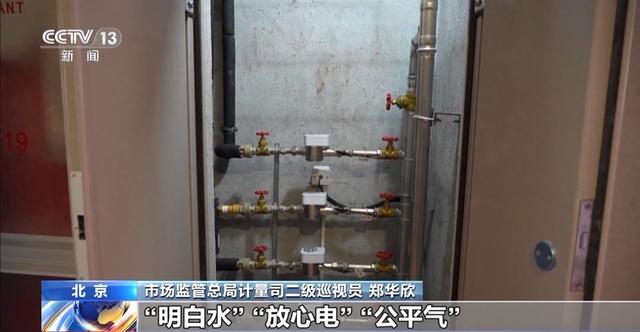
水电气表

Search documents
我省着力加强民生计量监管 推动市场消费环境持续优化
Xin Lang Cai Jing· 2026-01-14 08:16
Core Viewpoint - The article emphasizes the importance of accurate measurement in daily life, highlighting the regulatory efforts by market supervision departments to ensure precision in measuring instruments such as electronic scales, water, electricity, and gas meters, and fuel dispensers [1][2]. Group 1: Regulatory Actions - In 2025, the provincial market supervision department will strengthen regulation of key livelihood measuring instruments, focusing on electronic scales, water, electricity, and gas meters, and fuel dispensers to protect public interests through "precise measurement" [1]. - A comprehensive rectification action was launched to address public concerns regarding inaccurate measurements and irregular charges in water, electricity, and gas metering, resulting in inspections of 362 public utility companies and the handling of 92 cases of measurement violations [1]. - A total of 55,364 non-compliant household measuring instruments were identified and dealt with, leading to a fine of 47,900 yuan and the replacement of 3,155 inaccurate measuring devices for the public [1]. Group 2: Market Order and Compliance - The "Iron Fist" action was implemented to improve the market order of electronic scales and fuel dispensers, resulting in the identification of 158 non-compliant electronic scales and 117 cases of violations, with fines totaling 93,300 yuan [1]. - In addressing issues of fuel dispenser fraud and substandard fuel quality, 10,676 fuel dispensers were inspected, with 7 found to be non-compliant, prompting corrective actions from the operating units [1]. - A total of 23 gas stations were verified, leading to legal actions against 2 stations involved in fraudulent practices [1]. Group 3: Promotion of Integrity in Measurement - Information technology is being utilized to enhance the quality and efficiency of measurement work, with ongoing efforts to establish integrity measurement demonstration units across various sectors, including water, electricity, gas, and fuel stations [2]. - A total of 3,150 integrity measurement demonstration units have been publicly recognized across the province, fostering a civilized and trustworthy measurement market environment [2].
水电气三表计量出新规!解决你关心的计费和维权问题
中国能源报· 2025-12-20 07:37
Core Viewpoint - The article discusses the newly released "Compliance Guidelines for Measurement Behavior of Urban Water, Electricity, and Gas Public Enterprises," which aims to ensure accurate measurement throughout the lifecycle of water, electricity, and gas meters, thereby protecting consumer interests. Group 1: Lifecycle Management - The "Compliance Guidelines" provide detailed requirements for the procurement, verification, storage, installation, rotation, and decommissioning of water, electricity, and gas meters, instructing public enterprises on standards to meet and actions to take [1][4]. Group 2: Fault Handling and Consumer Rights - The guidelines establish clear rules for handling meter faults, stating that if a meter malfunctions or is inaccurate, public enterprises must replace it free of charge and refund any overcharges incurred due to measurement errors [6]. - The guidelines also promote transparency by encouraging enterprises to use information technology for management, requiring them to inform users about meter replacement plans through community announcements and SMS notifications [8]. Group 3: Complaint Mechanism - Public enterprises are required to set up a complaint handling mechanism for measurement disputes, making complaint methods and contact information publicly available, and ensuring timely processing of complaints [10]. - During arbitration for disputed measurement results, public enterprises must provide users with a temporary replacement meter that has been verified, ensuring that basic services are not interrupted during the dispute resolution process [10].

水电气三表计量出新规!解决你关心的计费和维权问题
Xin Lang Cai Jing· 2025-12-20 05:44
Core Viewpoint - The article discusses the newly released "Compliance Guidelines" by the State Administration for Market Regulation, which establishes clear requirements for the lifecycle management of water, electricity, and gas meters to ensure accurate measurement and protect consumer rights. Group 1: Lifecycle Management - The "Compliance Guidelines" detail the procurement, verification, storage, installation, replacement, and retirement processes for water, electricity, and gas meters, providing public utility companies with specific standards to follow [1][3] - Public utility companies are required to maintain a comprehensive meter inventory and implement dynamic management, ensuring traceability from procurement to retirement, with records kept for at least the duration of use [3] Group 2: Fault Handling and Consumer Rights - The guidelines include specific rules for handling meter faults, stating that if a meter malfunctions or is inaccurate, the utility company must replace it free of charge and refund any overcharges incurred due to the faulty meter [4] - The guidelines promote transparency by encouraging companies to use information technology for management and to inform users about meter replacement plans through community announcements and SMS notifications [6] Group 3: Complaint Mechanism - Public utility companies are mandated to establish a complaint handling mechanism for meter disputes, providing clear information on how to file complaints and ensuring timely processing of complaints [7] - In cases of disputes over meter readings, users can request arbitration, and during this process, the utility must provide a certified temporary meter to ensure continuous service [7]
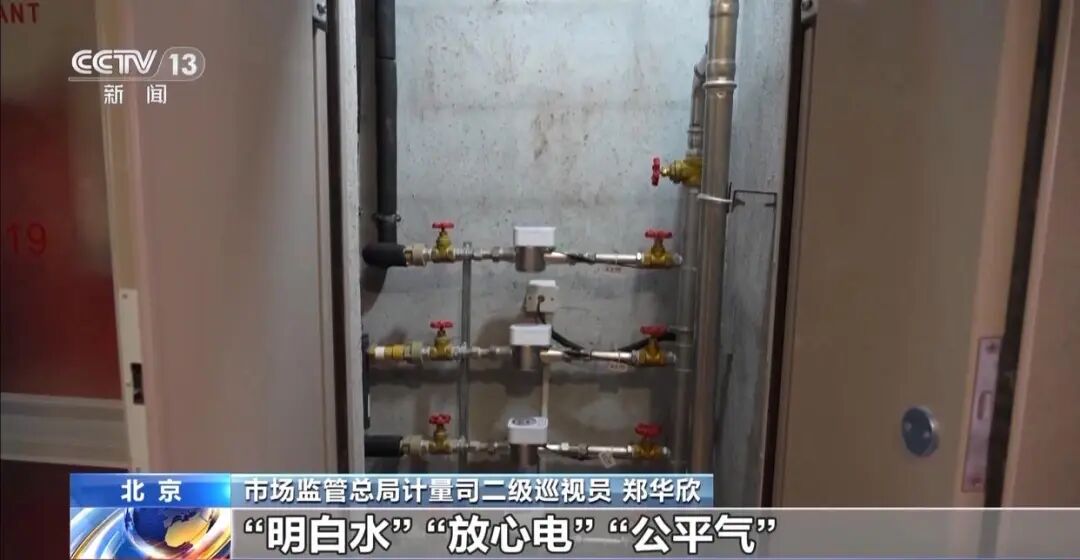
新规来了!水电气表体检合格才能上岗
Xin Lang Cai Jing· 2025-12-20 03:37
Core Viewpoint - The State Administration for Market Regulation has issued a compliance guideline for public utility enterprises regarding the measurement behavior of water, electricity, and gas meters, emphasizing the need for proper procurement, testing, and maintenance of these meters [1] Group 1: Compliance Guidelines - The guideline mandates that only water, electricity, and gas meters that meet national standards and possess a "certificate of conformity" can be used [1] - A mandatory initial testing of residential water, electricity, and gas meters is required, with a specified period for usage before replacement [1] Group 2: Fault Handling Rules - The guideline establishes specific rules for handling faults, requiring public utility companies to inform users of any damage or malfunction found during inspections [1] - If meters are found to be damaged or faulty, companies must replace them free of charge if the damage is not user-induced, and confirm the readings before and after the replacement [1] Group 3: Compensation and Arbitration - In cases where users are overcharged due to meter issues, companies are obligated to refund the excess charges or provide appropriate compensation [1] - If there is a disagreement during the measurement complaint process, parties can apply for measurement arbitration, and utilities must provide a certified temporary meter to ensure uninterrupted service during this period [1]
水电气三表计量出新规,解决你关心的计费和维权问题
Xin Lang Cai Jing· 2025-12-20 01:35
Core Viewpoint - The Market Supervision Administration has released a compliance guideline for the lifecycle management of water, electricity, and gas meters, aiming to ensure accurate measurement from procurement to retirement [1][3]. Group 1: Compliance Guidelines - The compliance guideline specifies detailed requirements for the procurement, verification, storage, installation, rotation, and retirement of water, electricity, and gas meters, instructing public utility companies on necessary actions and standards [1][3]. - Public utility companies are required to establish a comprehensive meter inventory and implement dynamic management, ensuring traceability throughout the entire process from procurement to retirement [3][4]. Group 2: Consumer Rights and Fault Handling - The guideline includes specific rules for handling meter faults, clearly defining the responsibilities of companies to address consumer concerns [4]. - If a meter malfunctions or is inaccurate, public utility companies must replace it free of charge if the fault is not due to human error, and they are obligated to refund or compensate for any overcharges caused by faulty meters [6][8]. Group 3: Transparency and Complaint Mechanisms - The compliance guideline promotes transparency by encouraging companies to utilize information technology for management, requiring advance notification to users about meter replacement plans through community announcements and SMS [8]. - Public utility companies must establish a complaint handling mechanism for meter disputes, ensuring timely processing and registration of complaints [8][9]. - In cases of disputes over measurement results that cannot be resolved through negotiation, users can apply for arbitration, and during this period, companies must provide temporary replacement meters to ensure uninterrupted service [11].