
水电气供应

Search documents
市场监管总局发布“指南” 全面规范水电气计量行为
Xin Lang Cai Jing· 2026-01-12 16:57
Core Viewpoint - The article discusses the release of the "Compliance Guidelines for Measurement Behavior of Public Utilities in Urban Water, Electricity, and Gas Supply" by the State Administration for Market Regulation, aimed at standardizing measurement practices in public utilities to protect consumer rights and create a fair market environment [1] Group 1: Key Requirements of the Guidelines - The guidelines emphasize the responsibility of public utilities in measurement management, guiding them to establish measurement management systems that align with their operational management, clarify job responsibilities, conduct regular measurement training, and promote integrity in measurement commitments [1] - There is a focus on the entire lifecycle management of water, electricity, and gas meters, detailing requirements for procurement, verification, storage, installation, replacement, and decommissioning to ensure the accuracy and reliability of measurement instruments [1] - The guidelines propose a mechanism for dispute resolution and risk prevention, requiring companies to provide public complaint channels, establish rapid response mechanisms, and conduct arbitration verification for measurement disputes while enhancing monitoring of measurement data and public sentiment analysis [1] - The promotion of data sharing and intelligent regulation is encouraged, with utilities urged to develop measurement information management systems that connect measurement data with government platforms, advancing "Internet + Measurement" regulation [1] Group 2: Impact on the Industry - The introduction of these guidelines provides clear and practical compliance operation instructions for public utilities, which is expected to enhance the measurement management level in the industry from the source [1] - The guidelines aim to reduce consumer disputes and optimize the consumption environment, thereby promoting the healthy and orderly development of the public utility sector [1]
青海扎实推进涉企收费治理持续优化营商环境
Xin Lang Cai Jing· 2025-12-22 20:23
Core Viewpoint - The Qinghai Provincial Market Supervision Administration has implemented measures to reduce enterprise burdens and maintain a fair market order, contributing to the stable economic development of the province [1][2]. Group 1: Regulatory Measures - The province has established a long-term mechanism for enterprise-related fee governance, enhancing inter-departmental collaboration and conducting surveys on pricing and charging in water, electricity, and gas sectors [1]. - A clear guideline for regulating illegal charges in the water, electricity, and gas industries has been issued, providing a basis for ongoing supervision and targeted governance [1]. - The province has implemented a strict "no charges outside the list" policy, improving the transparency of fee policies by regularly updating and publishing various fee directories [1]. Group 2: Enforcement Actions - As of December 5, the market supervision department has inspected 408 enterprises regarding fee charges, resulting in the refund of 1.9398 million yuan and fines totaling 1.1911 million yuan in the water, electricity, and gas sectors [2]. - Continuous monitoring of financial sector fee practices has been emphasized, with a focus on ensuring compliance and rectification by financial enterprises [2]. Group 3: Communication and Support - The provincial government has organized discussions with key enterprises to enhance communication, address operational challenges, and gather feedback on issues faced by businesses [2]. - A collaborative approach has been adopted to streamline responsibilities and resolve procedural bottlenecks, ensuring that policies effectively reach enterprises [2].
水、电、气三表计量出新规
Xin Lang Cai Jing· 2025-12-21 16:36
Core Viewpoint - The State Administration for Market Regulation has released a compliance guideline for the lifecycle management of water, electricity, and gas meters, ensuring accurate measurement and protecting consumer rights [1] Group 1: Compliance Guidelines - The compliance guideline specifies detailed requirements for the procurement, verification, storage, installation, rotation, and disposal of residential water, electricity, and gas meters [2] - Public utility companies must ensure that the meters used comply with national standards and possess type approval certificates [2] - Meters must undergo mandatory verification before installation, and timely rotation is required to prevent exceeding their service life [2] Group 2: Consumer Rights and Compensation - The guideline establishes rules for handling meter malfunctions, ensuring that public utility companies are responsible for replacing faulty meters at no cost to consumers [3] - If consumers are overcharged due to meter issues, companies are required to refund or compensate accordingly [3] - The guideline promotes transparency by encouraging companies to use information technology for managing meter replacements and to inform consumers about plans and methods through public notices and SMS [3] Group 3: Complaint Mechanism - Public utility companies are mandated to create a complaint handling mechanism for meter-related disputes, making complaint methods and contact information publicly available [4] - In cases of disagreement over meter readings, consumers can request arbitration, and during this process, companies must provide temporary replacement meters to ensure uninterrupted service [4]
水电气三表计量新规来了
Xin Lang Cai Jing· 2025-12-20 17:01
Core Viewpoint - The new compliance guidelines for the measurement of water, electricity, and gas utilities aim to ensure accurate metering and protect consumer rights throughout the entire lifecycle of the measuring instruments [1][2] Group 1: Lifecycle Management - The guidelines require urban water, electricity, and gas utility companies to establish a comprehensive ledger of measuring instruments and implement dynamic management [1] - Regular inspections must be conducted to ensure traceability from procurement to disposal, with relevant records maintained for at least the duration of use [1] Group 2: Fault Handling and Compensation - Specific rules for handling faults have been established, outlining the responsibilities of utility companies [1] - If measuring instruments fail or are inaccurate due to non-human causes, companies are required to replace them free of charge and must refund or compensate users for any overcharges resulting from measurement issues [1] Group 3: Complaint Mechanism - Utility companies are mandated to create a complaint handling mechanism for measurement disputes, including the publication of complaint methods, channels, and contact numbers [2] - Timely processing and registration of measurement complaints is required [2]
水电气三表计量出新规!解决你关心的计费和维权问题
Xin Lang Cai Jing· 2025-12-20 05:44
Core Viewpoint - The article discusses the newly released "Compliance Guidelines" by the State Administration for Market Regulation, which establishes clear requirements for the lifecycle management of water, electricity, and gas meters to ensure accurate measurement and protect consumer rights. Group 1: Lifecycle Management - The "Compliance Guidelines" detail the procurement, verification, storage, installation, replacement, and retirement processes for water, electricity, and gas meters, providing public utility companies with specific standards to follow [1][3] - Public utility companies are required to maintain a comprehensive meter inventory and implement dynamic management, ensuring traceability from procurement to retirement, with records kept for at least the duration of use [3] Group 2: Fault Handling and Consumer Rights - The guidelines include specific rules for handling meter faults, stating that if a meter malfunctions or is inaccurate, the utility company must replace it free of charge and refund any overcharges incurred due to the faulty meter [4] - The guidelines promote transparency by encouraging companies to use information technology for management and to inform users about meter replacement plans through community announcements and SMS notifications [6] Group 3: Complaint Mechanism - Public utility companies are mandated to establish a complaint handling mechanism for meter disputes, providing clear information on how to file complaints and ensuring timely processing of complaints [7] - In cases of disputes over meter readings, users can request arbitration, and during this process, the utility must provide a certified temporary meter to ensure continuous service [7]

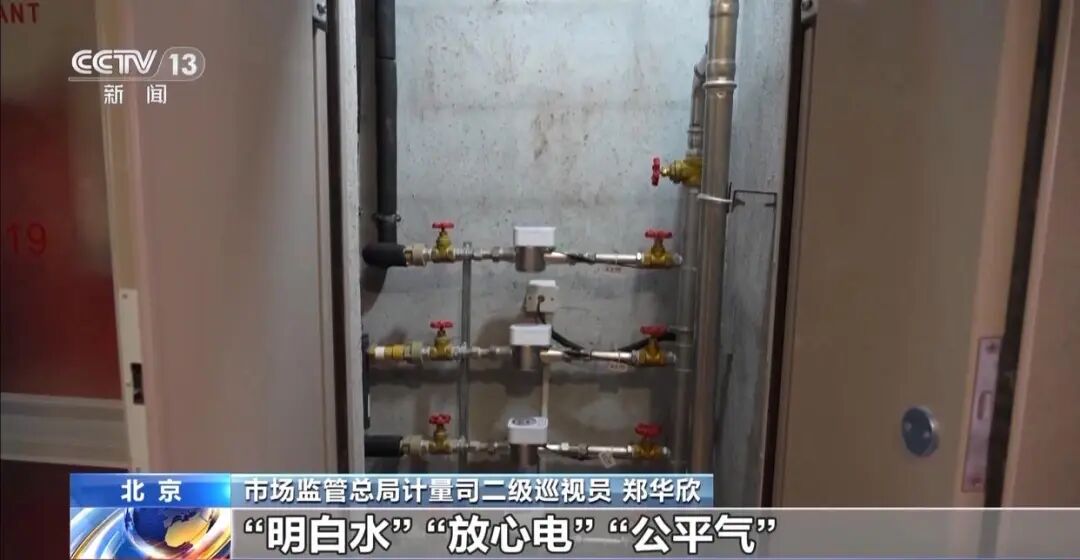
水电气三表计量行为新规来了 规范自主定价、落实明码标价
Yang Shi Xin Wen Ke Hu Duan· 2025-12-20 05:43
Core Viewpoint - The State Administration for Market Regulation has released the "Guidelines for Compliance of Pricing Behavior of Urban Public Utilities," aimed at standardizing pricing practices and protecting consumer rights in the water, electricity, and gas sectors [1][2]. Group 1: Regulatory Framework - The guidelines address issues arising from improper charging practices by urban public utilities, which have led to public concern and incorrect implementation of tiered pricing for residents [1]. - Public utilities are required to enhance service awareness, simplify processes, and provide reasonably priced products and services [1]. - The guidelines emphasize the need for public utilities to comply with government pricing directives and implement clear pricing policies, including discounts and user classification pricing [1]. Group 2: Internal Management and Compliance - The guidelines encourage public utilities to establish robust internal management systems, including internal supervision, user category management, and price monitoring mechanisms [1]. - Public utilities are mandated to conduct regular meter readings to prevent overcharging residents due to errors in tiered pricing execution [1]. - The guidelines also require public utilities to proactively rectify any identified compliance risks and cooperate with regulatory enforcement [2].
规范公用企业水电气计量行为 市场监管局总局发布新规
Zhong Guo Xin Wen Wang· 2025-12-19 12:59
Core Viewpoint - The National Market Supervision Administration has released a guideline to standardize the metering behavior of public utilities in urban water, electricity, and gas supply, aiming to protect consumer rights and interests. Group 1: General Principles - The guideline aims to implement the responsibilities of urban public utilities in metering management and ensure compliance with relevant laws and regulations [2][3]. - It applies to metering activities conducted by urban public utilities in the management of residential water, electricity, and gas services [2]. Group 2: Establishment of Metering Management System - Urban public utilities are required to establish a metering management system that aligns with their operational activities, defining responsibilities and ensuring accountability [5]. - A comprehensive training and assessment system for metering laws and regulations must be developed and regularly conducted [5]. Group 3: Management of Metering Instruments - Public utilities must select metering instruments that have obtained the "Type Approval Certificate" and maintain relevant documentation for at least the lifespan of the instruments [7]. - Mandatory initial verification of residential water, electricity, and gas meters is required before installation, with a system for registration and compliance with local government regulations [8]. Group 4: Metering Instrument Record Management - A dynamic and comprehensive record management system for metering instruments must be established, ensuring traceability from procurement to disposal [12]. - The records should include procurement details, verification results, and installation information [13][14]. Group 5: Metering Data Collection and Monitoring - Public utilities are encouraged to implement an information management system for metering, facilitating data sharing with local regulatory authorities [16]. - Regular monitoring and analysis of user billing data should be conducted to identify discrepancies and resolve issues promptly [16]. Group 6: Dispute Resolution and Risk Monitoring - A complaint handling mechanism for metering issues must be established, ensuring timely response and resolution of consumer complaints [18]. - Regular monitoring of complaints and public sentiment regarding metering issues is essential to prevent negative social impacts [23].
今年中国牵头制定国际标准275项
Xin Hua Wang· 2025-12-17 00:16
Group 1 - The core viewpoint of the articles highlights China's leadership in setting international standards, with a focus on enhancing regulatory frameworks and responding to public needs [1][2] Group 2 - In the fourth quarter, China is set to lead the formulation of 275 international standards and propose 459 new international standard proposals by 2025 [1] - The State Administration for Market Regulation (SAMR) has introduced measures to optimize the development environment, including the implementation of a credit repair management approach and guidelines for commercial bank fee behaviors [1] - SAMR has strengthened key regulations by publishing implementation details for industrial product production licenses and revising management methods for infant formula product registrations [1] - In the fourth quarter, China has led the release of 38 international standards in sectors such as 5G, semiconductors, new energy, and aerospace, along with proposing 60 new proposals in cutting-edge areas like quantum technology and AI [2] - SAMR will initiate a "National Standard Construction Special Action for Artificial Intelligence" in collaboration with relevant departments [2]
新疆乌苏市市场监管局全力保障水电气民生 营造公平、透明、放心的消费环境
Zhong Guo Shi Pin Wang· 2025-10-30 09:48
Core Viewpoint - The Urumqi Market Supervision Bureau is actively addressing issues related to inaccurate measurement and non-standard charging of utilities, focusing on creating a fair and transparent consumption environment for residents [1][2]. Group 1: Measurement Accuracy - The bureau has prioritized the regulation of utility measurement instruments, ensuring compliance with mandatory inspections and preventing illegal modifications or the use of unverified devices [1]. - A total of 364 water meters and 48 electric meters were randomly inspected, and 15,705 gas meters were replaced to ensure accurate measurement [2]. Group 2: Charging Standards - The bureau is enhancing oversight of utility companies' charging practices, requiring them to publicly display charging items, standards, and bases at their business locations and online platforms [2]. - The bureau has initiated investigations into three cases of utility measurement and pricing violations, benefiting 42 households directly [2]. - There is a strict prohibition against unauthorized project initiation, standard increases, or expansion of charging scope by property management companies [2].
广安爱众(600979) - 四川广安爱众股份有限公司2025年1-9月生产经营数据公告
2025-10-30 09:22
证券代码:600979 证券简称:广安爱众 公告编号:2025-068 四川广安爱众股份有限公司 根据《上海证券交易所上市公司行业信息披露指引》的相关规定,现将四川 广安爱众股份有限公司2025年1-9月生产经营数据(未经审计)公告如下: | 项目 | 2025年1-9月 | 2024年1-9月 | 增减变动幅度(%) | | --- | --- | --- | --- | | 购水量(万立方米) | 2083.45 | 1910.99 | 9.02 | | 制水量(万立方米) | 6923.72 | 6537.60 | 5.91 | | 售水量(万立方米) | 7441.67 | 7408.65 | 0.45 | | 其中:广安水务 | 2609.84 | 2589.89 | 0.77 | | 前锋水务 | 590.48 | 551.79 | 7.01 | | 岳池水务 | 1217.98 | 1352.73 | -9.96 | | 华蓥水务 | 700.50 | 681.32 | 2.82 | | 武胜水务 | 1004.53 | 1003.53 | 0.10 | | 邻水水务 | 1144.59 | 1 ...
