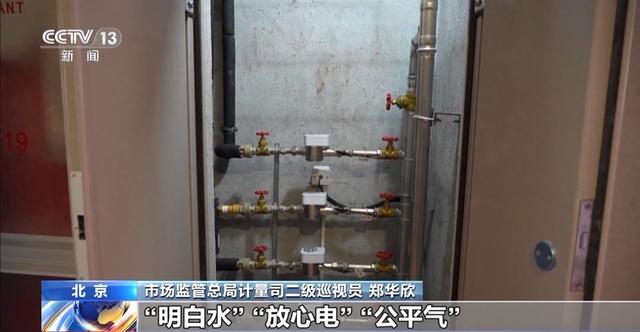
水电气表全生命周期管理

Search documents
水、电、气三表计量出新规
Xin Lang Cai Jing· 2025-12-21 16:36
Core Viewpoint - The State Administration for Market Regulation has released a compliance guideline for the lifecycle management of water, electricity, and gas meters, ensuring accurate measurement and protecting consumer rights [1] Group 1: Compliance Guidelines - The compliance guideline specifies detailed requirements for the procurement, verification, storage, installation, rotation, and disposal of residential water, electricity, and gas meters [2] - Public utility companies must ensure that the meters used comply with national standards and possess type approval certificates [2] - Meters must undergo mandatory verification before installation, and timely rotation is required to prevent exceeding their service life [2] Group 2: Consumer Rights and Compensation - The guideline establishes rules for handling meter malfunctions, ensuring that public utility companies are responsible for replacing faulty meters at no cost to consumers [3] - If consumers are overcharged due to meter issues, companies are required to refund or compensate accordingly [3] - The guideline promotes transparency by encouraging companies to use information technology for managing meter replacements and to inform consumers about plans and methods through public notices and SMS [3] Group 3: Complaint Mechanism - Public utility companies are mandated to create a complaint handling mechanism for meter-related disputes, making complaint methods and contact information publicly available [4] - In cases of disagreement over meter readings, consumers can request arbitration, and during this process, companies must provide temporary replacement meters to ensure uninterrupted service [4]
水电气三表计量新规来了
Xin Lang Cai Jing· 2025-12-20 17:01
Core Viewpoint - The new compliance guidelines for the measurement of water, electricity, and gas utilities aim to ensure accurate metering and protect consumer rights throughout the entire lifecycle of the measuring instruments [1][2] Group 1: Lifecycle Management - The guidelines require urban water, electricity, and gas utility companies to establish a comprehensive ledger of measuring instruments and implement dynamic management [1] - Regular inspections must be conducted to ensure traceability from procurement to disposal, with relevant records maintained for at least the duration of use [1] Group 2: Fault Handling and Compensation - Specific rules for handling faults have been established, outlining the responsibilities of utility companies [1] - If measuring instruments fail or are inaccurate due to non-human causes, companies are required to replace them free of charge and must refund or compensate users for any overcharges resulting from measurement issues [1] Group 3: Complaint Mechanism - Utility companies are mandated to create a complaint handling mechanism for measurement disputes, including the publication of complaint methods, channels, and contact numbers [2] - Timely processing and registration of measurement complaints is required [2]
水电气三表计量出新规!解决你关心的计费和维权问题
Xin Lang Cai Jing· 2025-12-20 05:44
Core Viewpoint - The article discusses the newly released "Compliance Guidelines" by the State Administration for Market Regulation, which establishes clear requirements for the lifecycle management of water, electricity, and gas meters to ensure accurate measurement and protect consumer rights. Group 1: Lifecycle Management - The "Compliance Guidelines" detail the procurement, verification, storage, installation, replacement, and retirement processes for water, electricity, and gas meters, providing public utility companies with specific standards to follow [1][3] - Public utility companies are required to maintain a comprehensive meter inventory and implement dynamic management, ensuring traceability from procurement to retirement, with records kept for at least the duration of use [3] Group 2: Fault Handling and Consumer Rights - The guidelines include specific rules for handling meter faults, stating that if a meter malfunctions or is inaccurate, the utility company must replace it free of charge and refund any overcharges incurred due to the faulty meter [4] - The guidelines promote transparency by encouraging companies to use information technology for management and to inform users about meter replacement plans through community announcements and SMS notifications [6] Group 3: Complaint Mechanism - Public utility companies are mandated to establish a complaint handling mechanism for meter disputes, providing clear information on how to file complaints and ensuring timely processing of complaints [7] - In cases of disputes over meter readings, users can request arbitration, and during this process, the utility must provide a certified temporary meter to ensure continuous service [7]

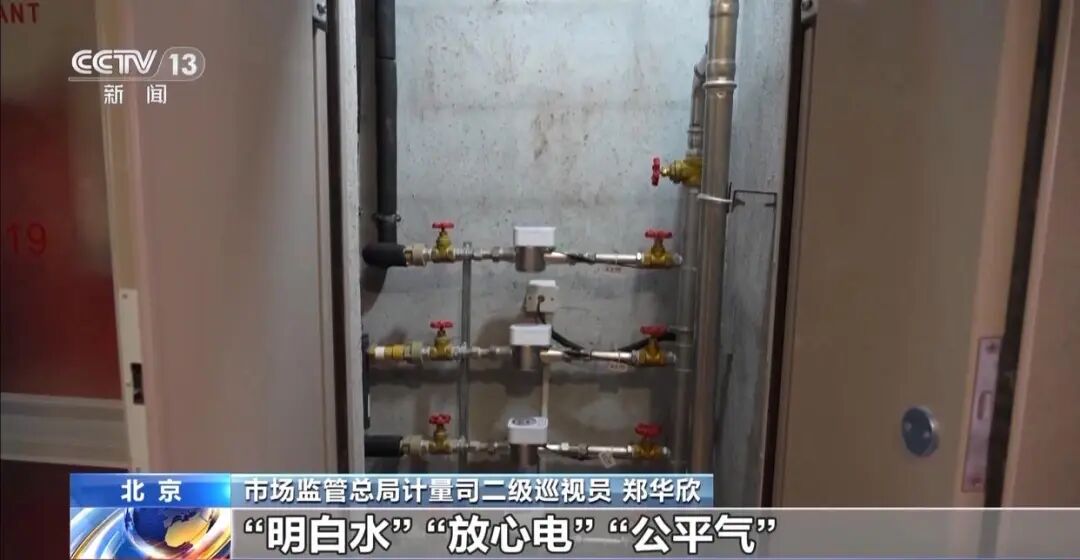
水电气三表计量出新规,解决你关心的计费和维权问题
Xin Lang Cai Jing· 2025-12-20 01:35
Core Viewpoint - The Market Supervision Administration has released a compliance guideline for the lifecycle management of water, electricity, and gas meters, aiming to ensure accurate measurement from procurement to retirement [1][3]. Group 1: Compliance Guidelines - The compliance guideline specifies detailed requirements for the procurement, verification, storage, installation, rotation, and retirement of water, electricity, and gas meters, instructing public utility companies on necessary actions and standards [1][3]. - Public utility companies are required to establish a comprehensive meter inventory and implement dynamic management, ensuring traceability throughout the entire process from procurement to retirement [3][4]. Group 2: Consumer Rights and Fault Handling - The guideline includes specific rules for handling meter faults, clearly defining the responsibilities of companies to address consumer concerns [4]. - If a meter malfunctions or is inaccurate, public utility companies must replace it free of charge if the fault is not due to human error, and they are obligated to refund or compensate for any overcharges caused by faulty meters [6][8]. Group 3: Transparency and Complaint Mechanisms - The compliance guideline promotes transparency by encouraging companies to utilize information technology for management, requiring advance notification to users about meter replacement plans through community announcements and SMS [8]. - Public utility companies must establish a complaint handling mechanism for meter disputes, ensuring timely processing and registration of complaints [8][9]. - In cases of disputes over measurement results that cannot be resolved through negotiation, users can apply for arbitration, and during this period, companies must provide temporary replacement meters to ensure uninterrupted service [11].