江蟹生

Search documents
(新春走基层)一席瓯味见山海 浙江温州菜的乡愁与新韵
Zhong Guo Xin Wen Wang· 2026-02-14 06:27
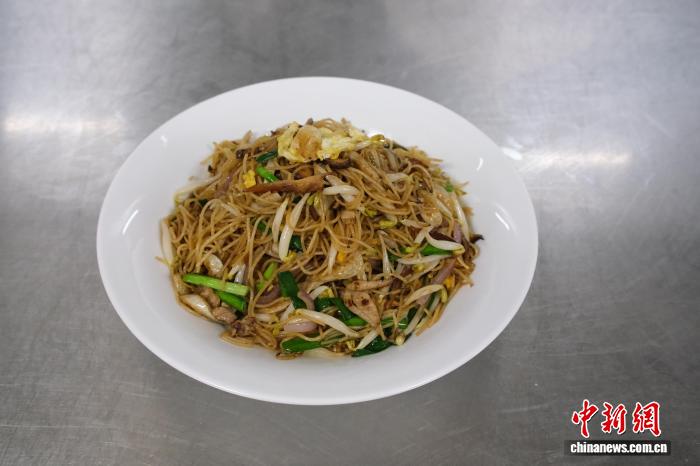
Core Viewpoint - The article highlights the cultural significance and culinary traditions of Wenzhou cuisine, emphasizing its connection to local identity and nostalgia, particularly during the Chinese New Year celebrations [1][6]. Group 1: Culinary Traditions - Wenzhou people refer to their New Year's Eve dinner as "Fen Sui Jiu," showcasing the importance of food in their cultural practices [1]. - The preparation of dishes like fried rice noodles is a key part of Wenzhou hospitality, symbolizing abundance and good fortune with its colorful ingredients [1][3]. - The cooking style in Wenzhou emphasizes the natural flavors of ingredients, as seen in dishes like the scallion oil East China sea yellow croaker, which is prepared simply to highlight the fish's taste [3][5]. Group 2: Cultural Identity - Wenzhou cuisine reflects the region's history and the experiences of its people, particularly the diaspora who carry their culinary heritage abroad [5][6]. - The article discusses the significance of traditional dishes like "salted vegetable chicken," which symbolizes reunion and is a staple at festive gatherings [5]. - The evolution of Wenzhou cuisine is a dialogue between tradition and modernity, as chefs seek to adapt while preserving the essence of their culinary roots [7][8]. Group 3: Culinary Heritage and Preservation - There are over 250 established types of Wenzhou cuisine, with 46 recognized in the "Chinese Cookbook," indicating a rich culinary diversity [10]. - Efforts are being made to preserve Wenzhou culinary traditions through museums and experiential bases, ensuring that the cultural narratives behind the dishes are not lost [10]. - The article emphasizes the importance of understanding the reasons behind traditional cooking methods, which are deeply rooted in local history and community [10].

“2026黑珍珠餐厅指南”发布,中国内地32城共263家餐厅上榜
Ge Long Hui· 2026-01-27 09:52
Core Insights - The "2026 Black Pearl Restaurant Guide" has officially released its evaluation results, featuring 263 restaurants from 32 cities in mainland China, highlighting the diverse and upgraded characteristics of the fine dining industry in China [1] Industry Development - The current fine dining sector in China is characterized by a variety of cuisines and a collective upgrade of local culinary styles [1] - Liaoning cuisine made its debut on the list, with two restaurants in Shenyang receiving one-diamond honors [1] - Hebei province has achieved a significant breakthrough in fine dining, with two one-diamond restaurants in Shijiazhuang [1] - Jiangsu and Shandong provinces have also seen new entries, with Nantong and Qingdao each welcoming two one-diamond restaurants [1] Awards and Recognition - The 2026 Black Pearl Annual Dish Award has for the first time included local classic dishes, with items like Quanzhou's ancient flavor duck blood and tofu large intestine, and Wenzhou's crab dishes making the list [1] - The "2026 Black Pearl Annual Chef" title was awarded to Fu Yueliang from the Hangzhou restaurant "Ruyuan" [1] - Young chef awards were given to Chen Zhi from Shanghai's "Yuwai Tan" (Xintiandi), Yang Yanbin from Chengdu's "Fumanlou · Hokkien Cuisine," and Lin Qi from Shenzhen's "La Tablée" fusion cuisine [1]
浙江沿海城市,谁最懂海鲜?
Hu Xiu· 2025-08-14 14:02
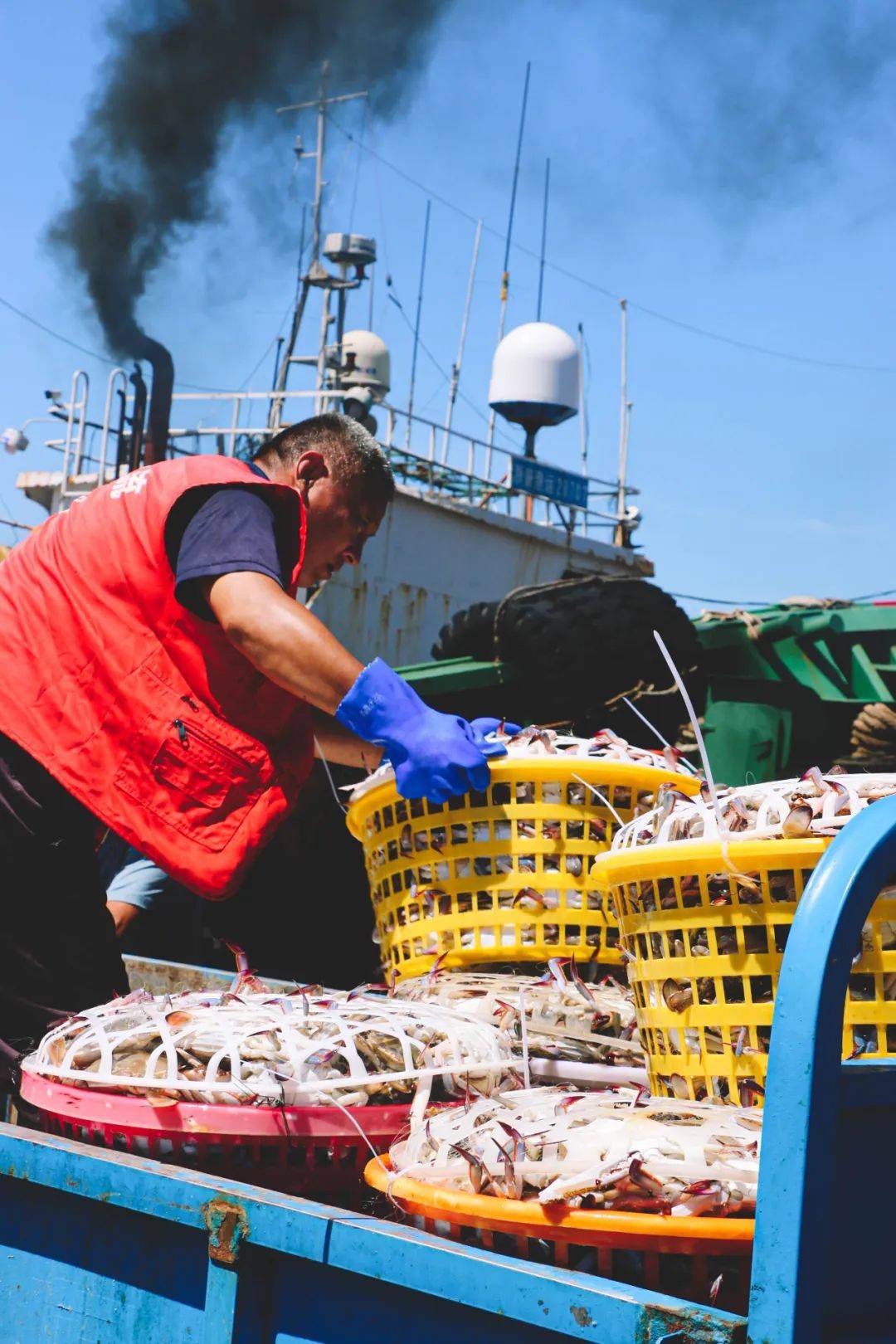
Core Insights - Zhejiang province is set to resume fishing activities after a long moratorium, with the first batch of Donghai hairy crabs expected to be shipped nationwide, known for their rich and sweet meat [1][12] - The seafood market in Zhejiang is diverse, with a wide range of species available, including hairtail, pomfret, yellow croaker, and squid, which will be available from September onwards [3][10] - Zhejiang boasts the largest fishing ground in China, with a sea area of 260,000 square kilometers, leading to a catch volume of hairtail and hairy crabs that is twice that of the second-ranking province [8][10] Seafood Variety - Zhejiang is recognized for its rich seafood culture, with historical evidence of seafood consumption dating back 8,000 years, making it a significant region for seafood in China [10][11] - The province has a coastline of 2,254 kilometers and is home to 3,059 islands, accounting for 44% of China's total islands, contributing to its seafood abundance [10][11] - The local cuisine features various cooking methods for crabs, with the most popular being dry frying without any seasoning, highlighting the quality of the ingredients [14][18] Crab Specialties - The hairy crab from Zhoushan is the most significant catch in Zhejiang, with the season starting in early August, ahead of other regions [12][14] - The local preference for cooking methods emphasizes simplicity, allowing the natural flavors of the crab to shine through [14][18] - In addition to hairy crabs, the region also produces the exquisite Qing crab, known for its fragrant meat and rich crab roe [16][20] Fish and Other Seafood - Zhejiang is famous for its yellow croaker, which has a historical catch record of 168,100 tons in 1974, but has since become rare due to overfishing [21][22] - The province also produces a variety of fish, including eel, mackerel, and flathead, with the local catch being fresher due to geographical advantages [23][24] - The diverse shellfish population along the coast includes 614 species, with various cooking styles that cater to local tastes [27][28] Regional Culinary Styles - Different regions within Zhejiang have unique culinary styles, such as Wenzhou's emphasis on light and fresh flavors, Ningbo's combination of salty and fresh, and Taizhou's focus on local snacks [34][40][43] - Wenzhou cuisine is known for its delicate seafood dishes, while Ningbo cuisine features a balance of flavors using local ingredients [35][41] - Taizhou's seafood offerings are accessible and diverse, with local snacks showcasing the region's rich seafood heritage [48][49]