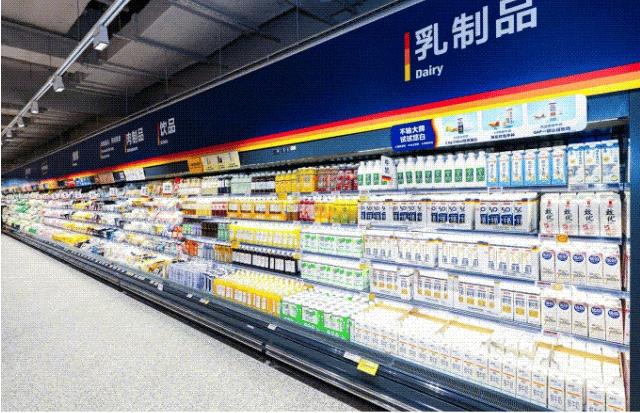
沃尔玛社区小店商品

Search documents
仓储会员店专家交流
2026-01-20 01:50
Summary of Key Points from the Conference Call Company Overview - The conference call focuses on **Sam's Club** in China, discussing its growth strategies, market dynamics, and operational changes. Core Insights and Arguments - **Expansion Strategy**: Sam's Club is optimizing its store layout by closing some locations while benefiting from consumer upgrades and the growing demand for differentiated products. The company anticipates a GMV growth rate close to **40%** by **2026**, indicating strong growth momentum [1][2]. - **Market Opportunity**: The closure of **40%** of Walmart's traditional stores in China has created space for Sam's Club to expand. The company plans to open **200** new stores by **2040**, focusing on third and fourth-tier cities to enhance brand influence [2][4][5]. - **Online Sales Growth**: Online sales are projected to reach nearly **50%** by **2025**, supported by a large-scale cloud warehouse system that enables delivery within **40 minutes**. This shift is complemented by a hybrid model where online orders peak from Monday to Thursday, while weekends focus on in-store experiences [1][6][7]. - **Management Changes**: In **2025**, key management changes occurred, including the retirement of a veteran leader and the appointment of a new executive focused on online expansion. This restructuring is expected to lead to new operational strategies in **2026** [7][8]. Additional Important Content - **Product Selection Process**: Sam's Club has adjusted its product selection process to involve more member participation, with a new selection ratio of **50%** member suggestions, **30%** self-selected items, and **20%** from brand partners. This change aims to enhance customer engagement and product quality [8][9]. - **Supplier Relationships**: The number of suppliers has increased from **1,200** to over **1,500**, with a focus on local brands. This strategy aims to improve product offerings and ensure quality standards are met [11][12]. - **Private Label Development**: The share of private label SKUs has risen to **33%**, contributing **45%** of total GMV. The company plans to continue expanding its private label offerings while maintaining a cap of **35%** on SKU share [3][14]. - **Membership Growth**: Membership renewal numbers are projected to grow from **5.47 million** in **2024** to **7.12 million** by **2026**, with new stores attracting significant new members [15][16]. - **Profitability Metrics**: Preliminary estimates for **2025** indicate a gross margin of **22.8%** and a net profit of approximately **9.3 billion**. This represents a decline from the previous year's gross margin of nearly **24%** due to tariff adjustments [18][19]. Conclusion - Sam's Club is strategically positioned for growth in the Chinese market through a combination of store expansion, enhanced online sales, and a focus on product quality and member engagement. The management changes and adjustments in operational strategies are expected to further solidify its market presence and profitability.

奥乐齐昆山首店单日破110万,“社区超市战”打响?
3 6 Ke· 2025-05-14 23:56
Group 1 - Aldi's first store in Kunshan opened on May 10, attracting over 100,000 visitors and achieving sales of 1.1 million yuan in a single day, setting a new record for the company [1] - Kunshan, a county-level city with a GDP of 538 billion yuan and a per capita disposable income exceeding 70,000 yuan, demonstrates significant consumer potential comparable to some provincial capitals [1] - The rise of Aldi in Kunshan reflects a broader trend of retail revolution in county markets, with various supermarket brands increasing their presence in these areas [1] Group 2 - Aldi's transformation in China involved shifting from a high-end boutique supermarket to a budget community supermarket, with a key turning point in 2023 when it reduced its SKU count to 1,600 and increased its private label share to 90% [2] - Aldi has developed 13 private label series in China, including a value series priced at 9.9 yuan, with over 500 low-priced items making up about 25% of its total SKU [2] - Unlike Sam's Club and Costco, Aldi employs a community store strategy with smaller store sizes (500-1,000 square meters) and no membership fees, catering to daily shopping needs within a 3-kilometer radius [2] Group 3 - Aldi's competitive advantage lies in its global supply chain and localization efforts, exemplified by its direct sourcing and cold chain logistics, which significantly reduce costs and enhance efficiency [4] - Over 80% of Aldi's suppliers are local, with major supply bases in the Yangtze River Delta and Shandong, allowing for cost advantages through scale procurement and local sourcing [4] - Aldi's partnerships with local farms and cooperatives in Jiangsu help maintain low fresh product costs, supporting its reputation for "low price without low quality" [4] Group 4 - The rise of Aldi signifies a trend where the perception of "low price does not equal low quality" is becoming possible in a rational consumption era, with vertical supply chain integration and regional closures forming core barriers to entry [6] - The community supermarket sector is experiencing intense competition, with major players like Hema NB rapidly expanding their footprint in the Yangtze River Delta [7] - Hema NB's smaller, more flexible stores have become a key format for penetrating lower-tier markets, with over 200 stores planned by March 2025 [9] Group 5 - The competition in community retail has entered a phase driven by efficiency, with Aldi and Hema NB leveraging their strengths to build competitive moats [10] - The awakening of consumer power in county markets is evident, with retail sales in these areas projected to exceed 22 trillion yuan in 2024, growing at a rate of 8.7% [11] - Aldi's strategies include upgrading fresh supply chains, multi-channel layouts, and differentiated product offerings to enhance customer experience and reduce fulfillment costs [13][14]