波音零部件

Search documents
美国要把事情闹大,连出3招没能镇住中国,特朗普:不能再犹豫了
Sou Hu Cai Jing· 2025-10-25 04:34
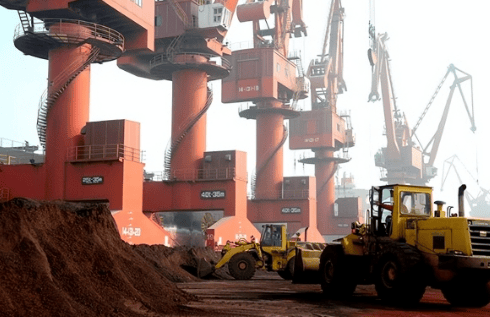
Background - The intensification of US-China relations is marked by a series of aggressive measures taken by the US, including tariffs, technology restrictions, and supply chain disruptions, which have not achieved the intended effects [1] US Measures - The US announced a 100% tariff on certain Chinese goods starting November 1, 2025, primarily targeting Chinese manufacturing, which may increase living costs for US consumers but is unlikely to weaken China's economy [1] - The US Department of Commerce has decided to restrict exports of core industrial software to China, including those related to chip design, aerospace, and artificial intelligence, aiming to undermine China's competitiveness in high-tech sectors [1] - The US has threatened to cut off Boeing's supply of parts to China's aviation industry, which could impact China's aviation sector and potentially harm US businesses as well [1] China's Response - China has implemented strict export restrictions on rare earth materials, crucial for high-end chips, military equipment, and electric vehicles, posing a direct threat to the US high-tech industry, which relies on China for over 90% of its rare earth imports [3] - China has imposed special port fees on US ships, increasing operational costs for US shipping companies and shifting global shipping dynamics towards the Chinese market [3] - China has ceased purchasing soybeans from the US and signed a long-term supply agreement with Brazil, putting significant pressure on US agricultural states and diminishing US trade advantages with China [4] International Reactions - Many countries, including Japan and South Korea, have expressed reluctance to take sides in the US-China conflict due to their economic dependence on the Chinese market [4] - India is inclined to maintain a balanced stance between major powers rather than aligning with the US, given tensions over trade agreements and regional issues [4] - European nations generally exhibit caution towards US hardline policies, preferring cooperation with China over confrontation [4] Impact on the US - The US stock market has experienced significant volatility due to tariff threats and supply chain issues, with a market capitalization loss exceeding $1.65 trillion [5] - US farmers face economic losses due to China's halt in soybean purchases, leading to protests in some states [5] - Boeing may lose market share in China due to potential supply chain disruptions, facing dual pressures from the situation [5] Significance for China - China's measures, such as rare earth export controls and port fee responses, effectively protect its economic interests and promote self-reliance in high-tech sectors, showcasing its resilience in the global supply chain [6] - The situation reflects the intense competition between the US and China in economic and technological domains, indicating profound changes in the future international order [6] - China's precise countermeasures not only safeguard its interests but also provide a reference for other countries in addressing unilateralism [6]


一觉醒来,特朗普收到了北京的答复,中方不按美国剧本走,商务部给出一句话,让他死心了
Sou Hu Cai Jing· 2025-10-16 02:26
Core Points - The U.S. is facing significant market turmoil following China's announcement to tighten rare earth controls, leading to a 3.5% drop in the Nasdaq index and a loss of approximately $770 billion in market value for U.S. tech companies [1] - Trump's threats of imposing a 100% tariff on Chinese goods and other aggressive measures have been met with a firm response from China, indicating a shift in strategy from passive to active engagement [3][5] - China's reliance on rare earths is critical for U.S. military and high-tech industries, with 87% of U.S. weapon system components and 95% of superhard materials depending on Chinese supplies [3] Group 1 - The U.S. administration's response to China's rare earth export controls has been characterized by confusion and inconsistency, with Trump initially threatening tariffs but later expressing a desire to maintain dialogue [1][3] - China's strategy includes a comprehensive approach to counter U.S. pressure, utilizing rare earth resources as leverage while maintaining open channels for negotiation [5][7] - The U.S. is struggling to find alternative sources for rare earths, with efforts to stockpile and develop domestic production facing significant challenges and delays [7][9] Group 2 - The political landscape in the U.S. is complicated by the upcoming 2026 midterm elections, with Trump seeking to demonstrate a tough stance on China to gain voter support [5] - China's response to U.S. tactics reflects a well-prepared strategy, indicating that the U.S. has limited options to counteract China's leverage in the rare earth market [9] - The ongoing trade tensions have shifted the focus from tariff scales to the control of key resources and technology standards, with China implementing measures to trace the end-users of rare earth exports [5][7]